


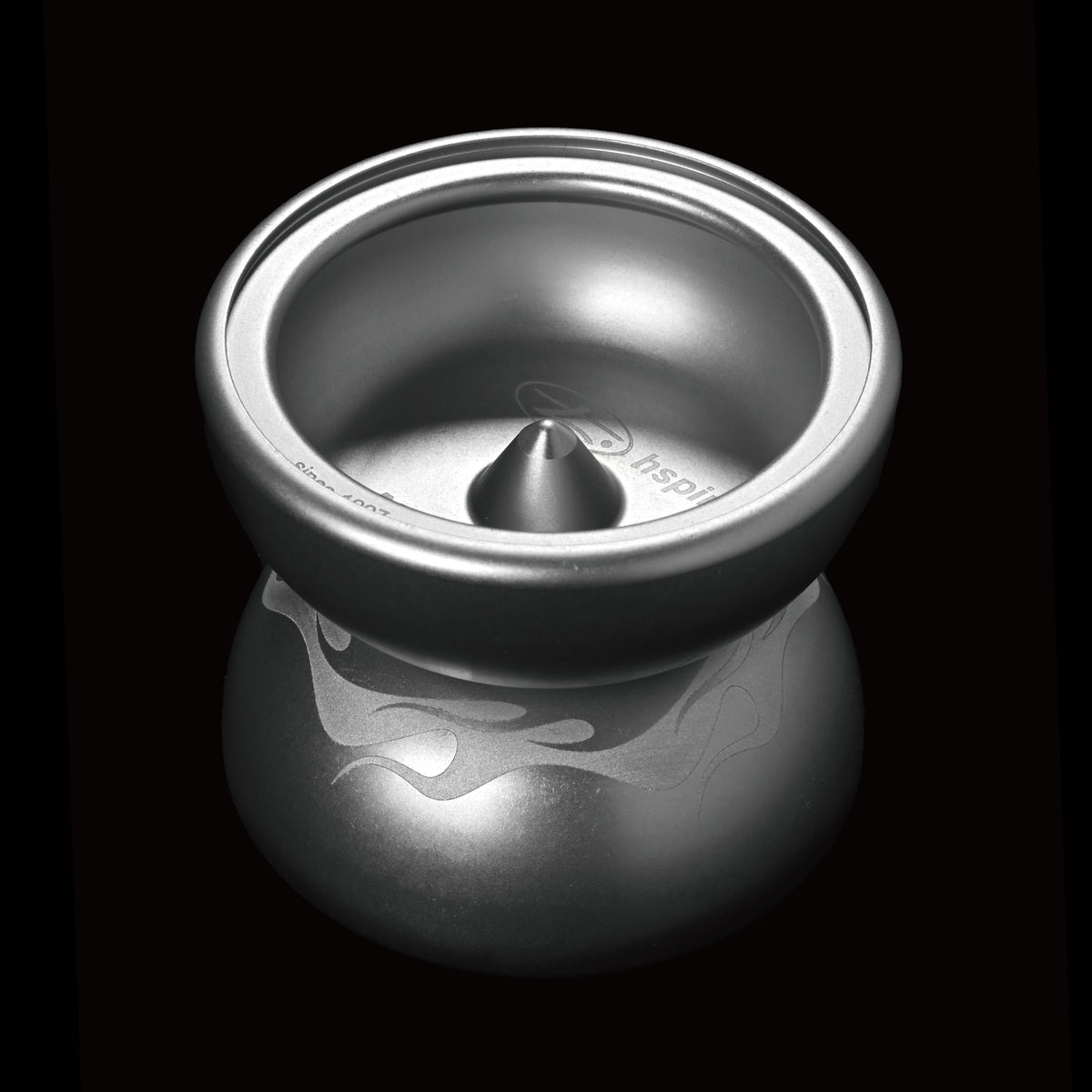
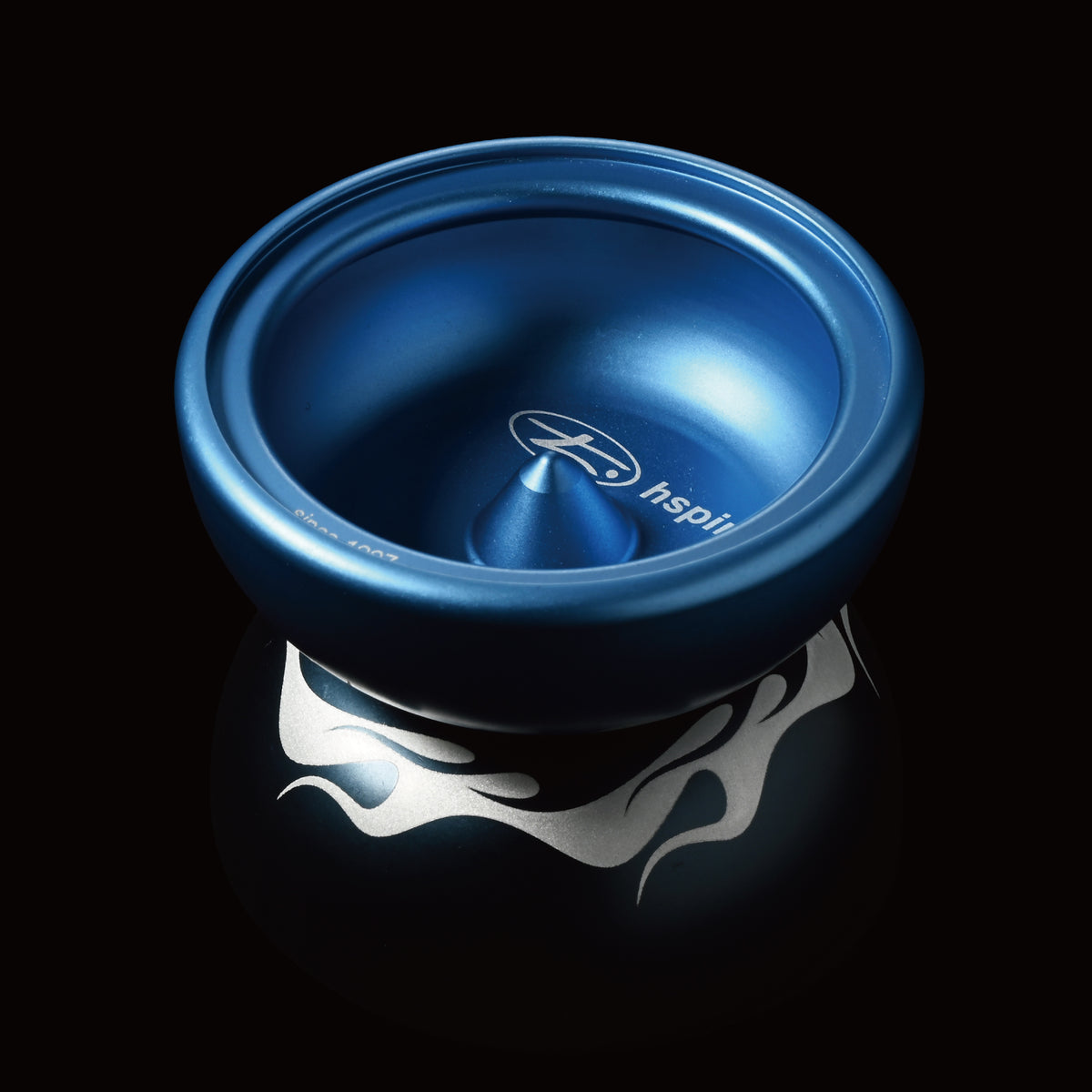
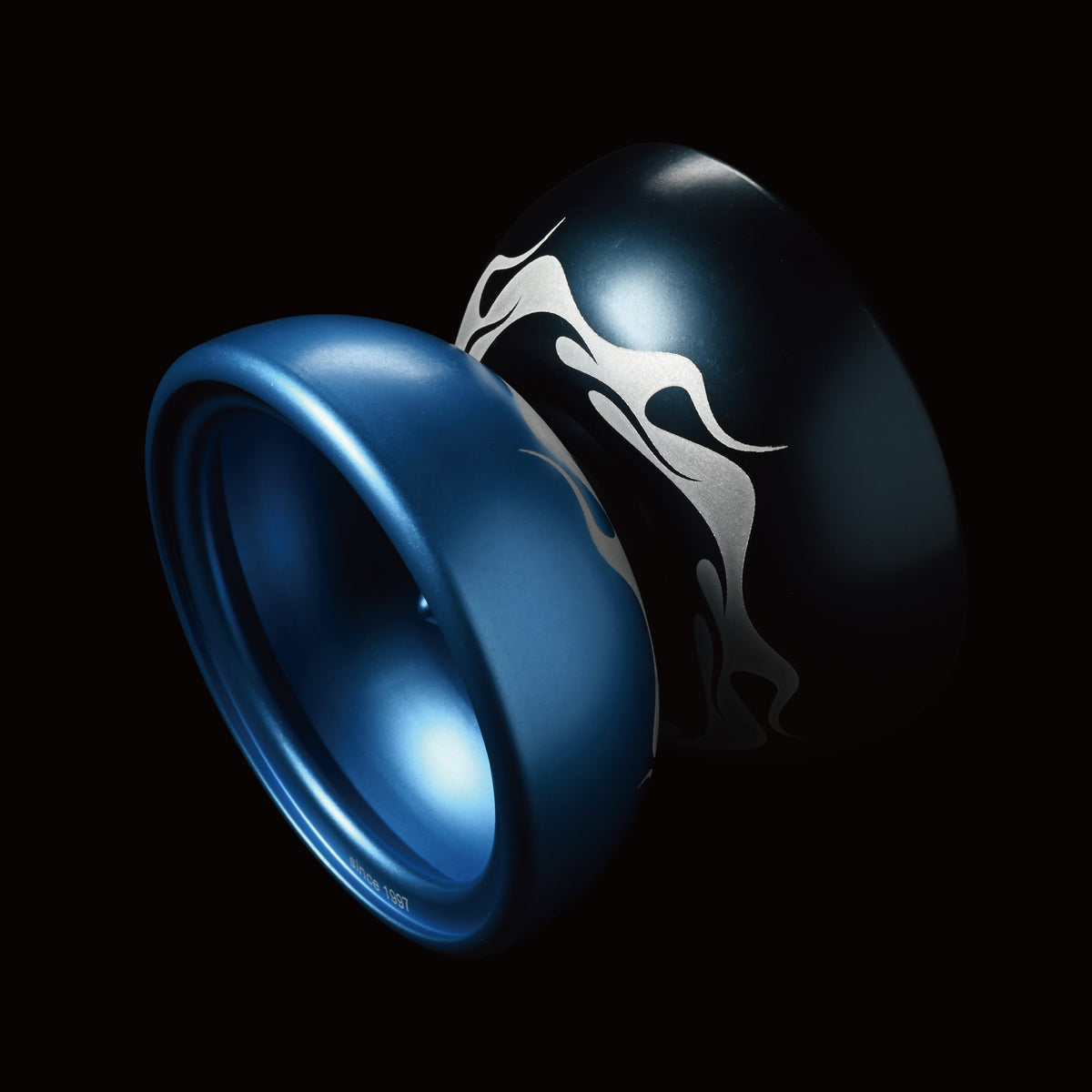
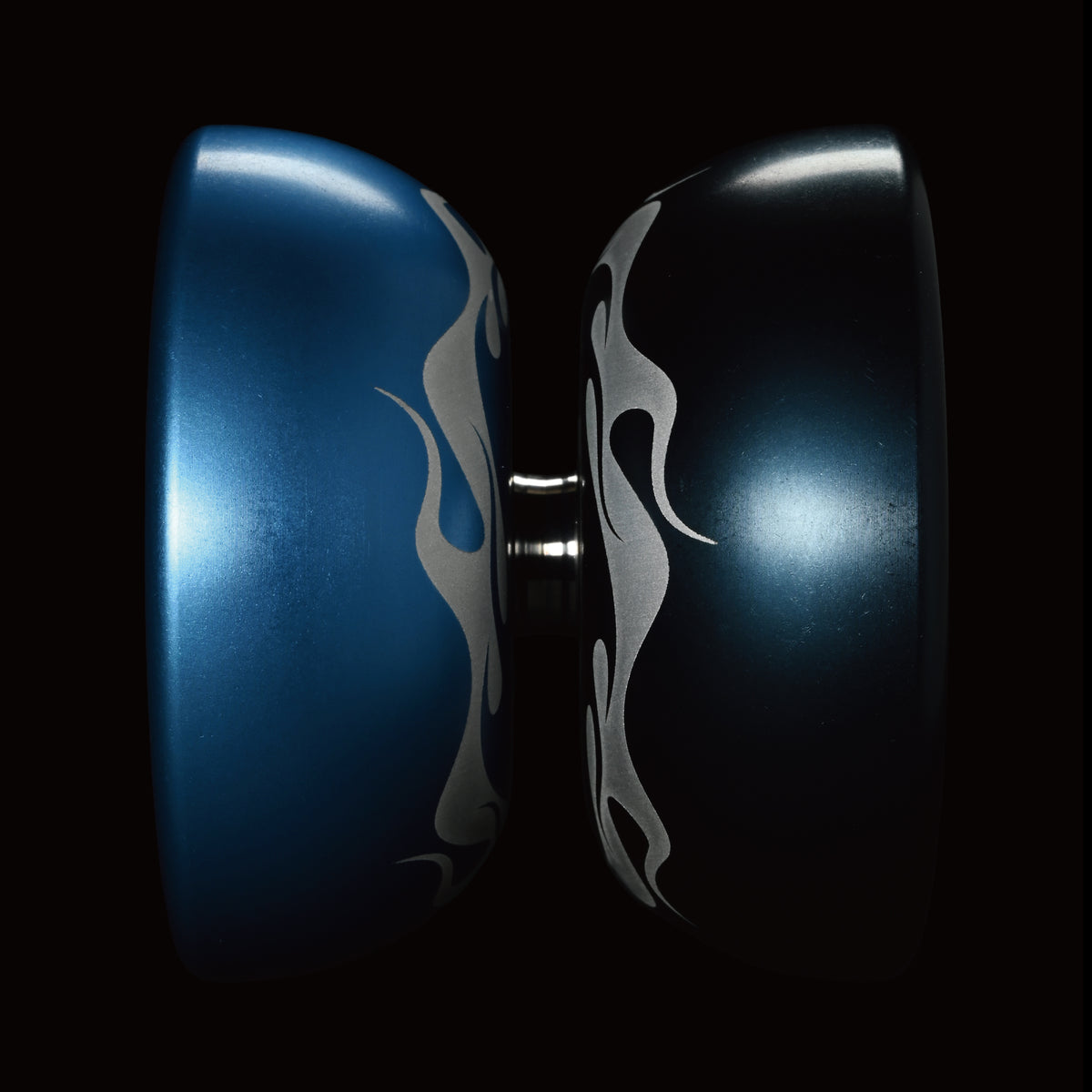
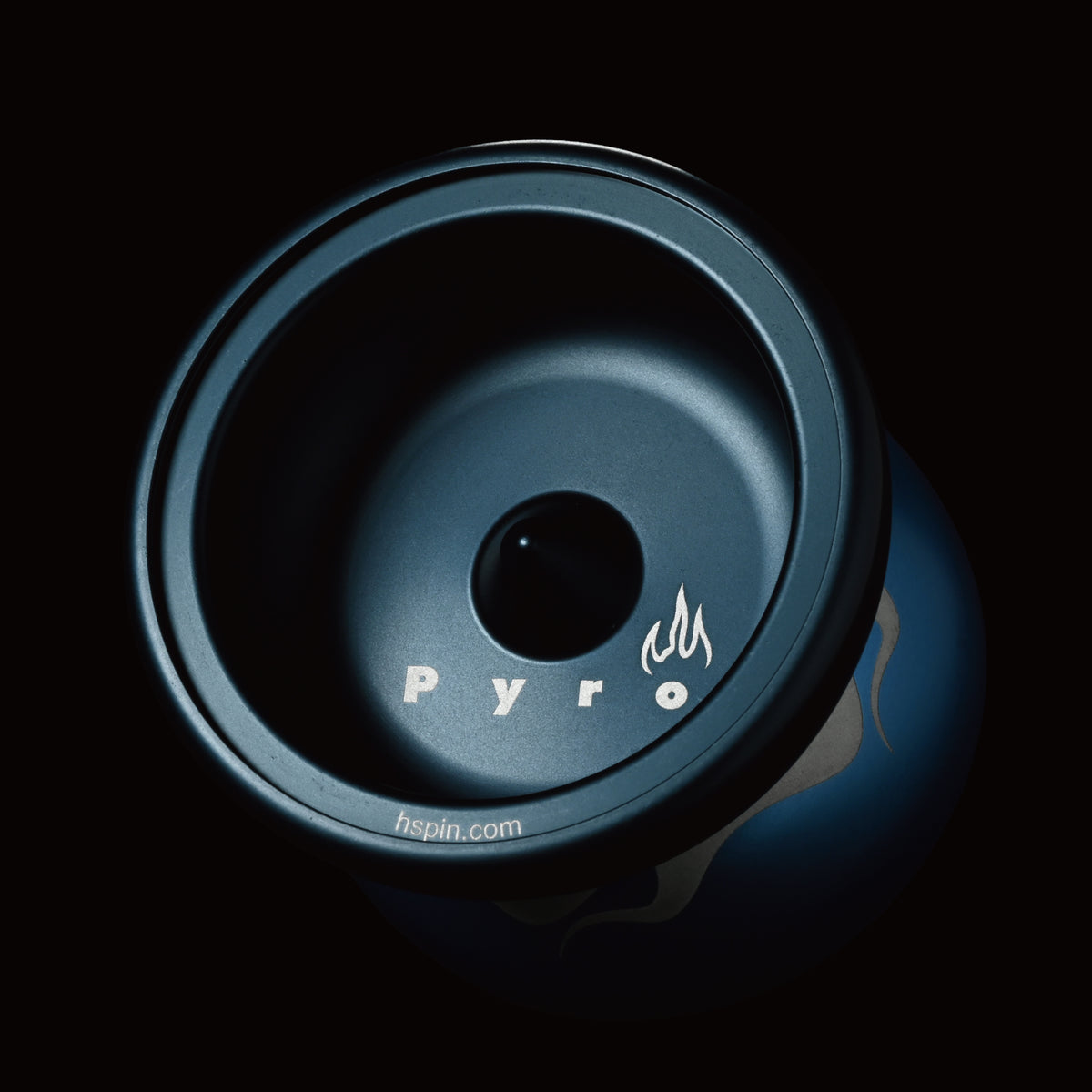
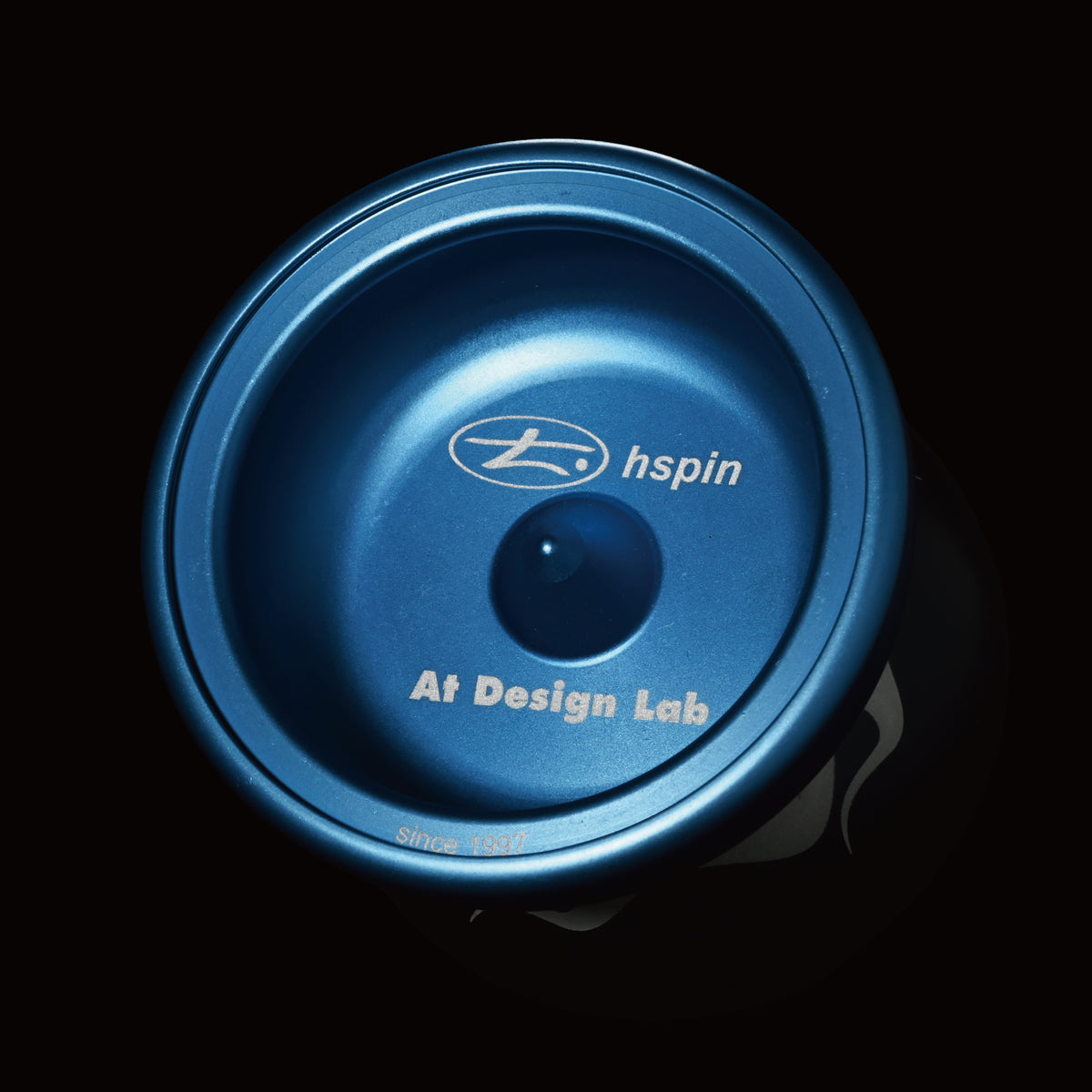
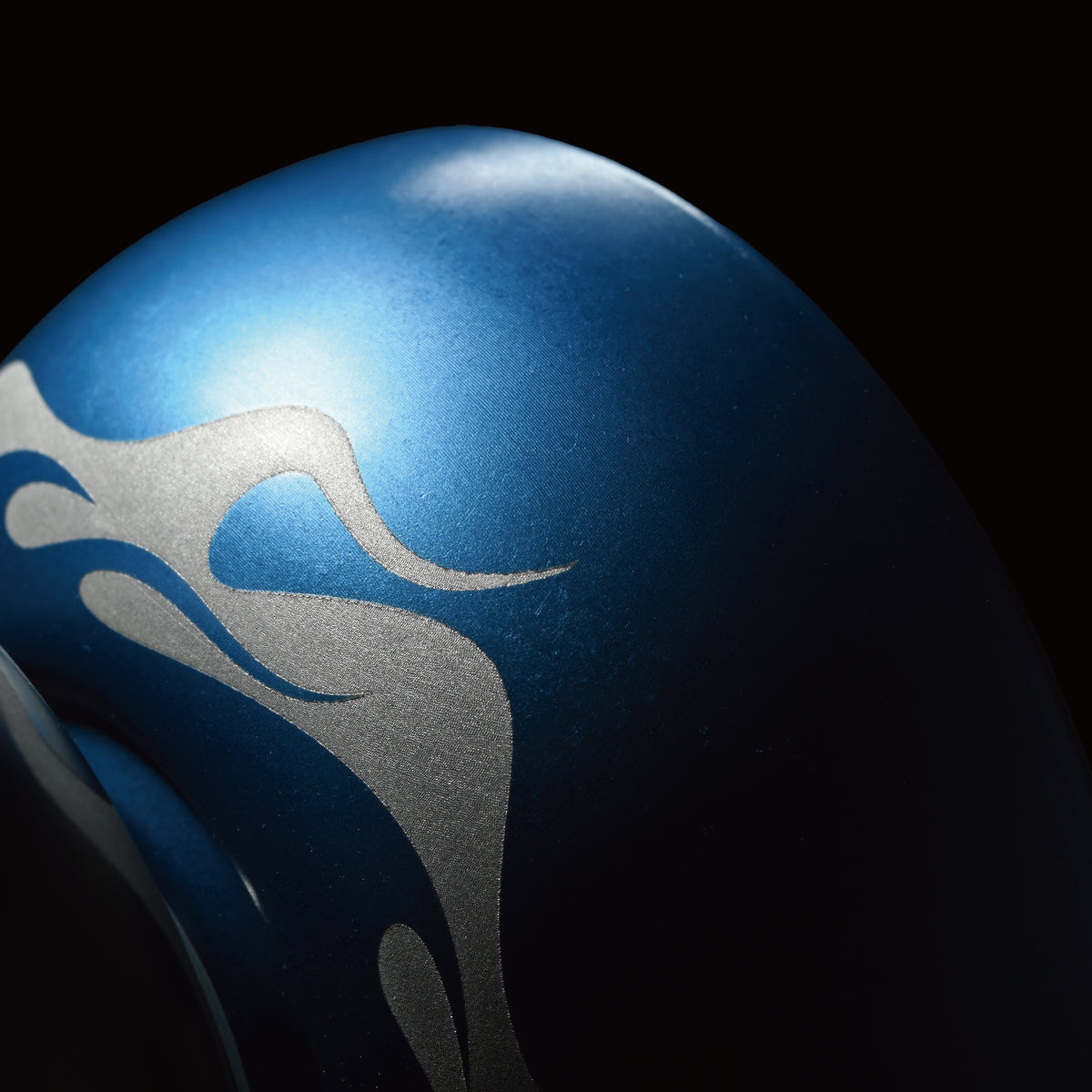
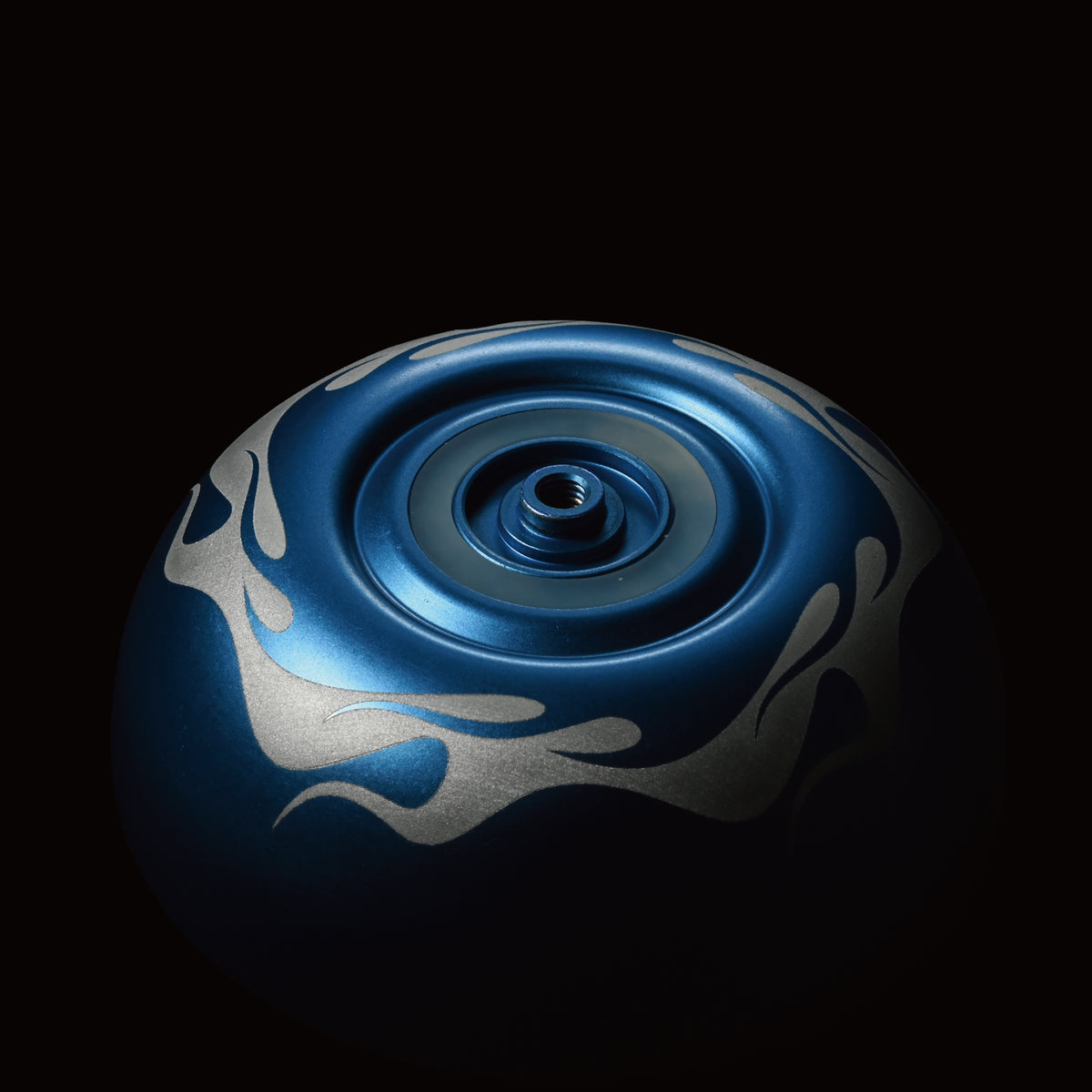
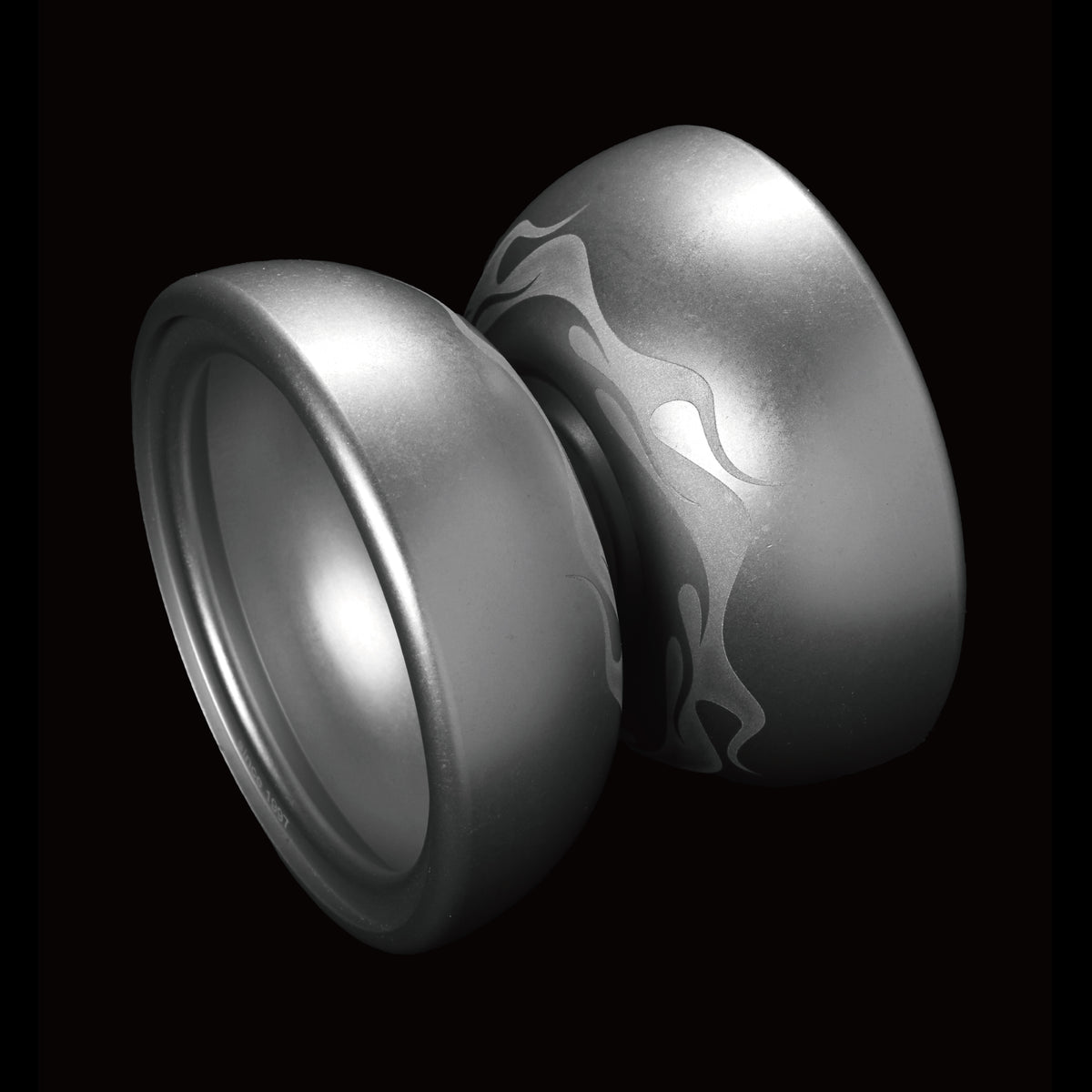
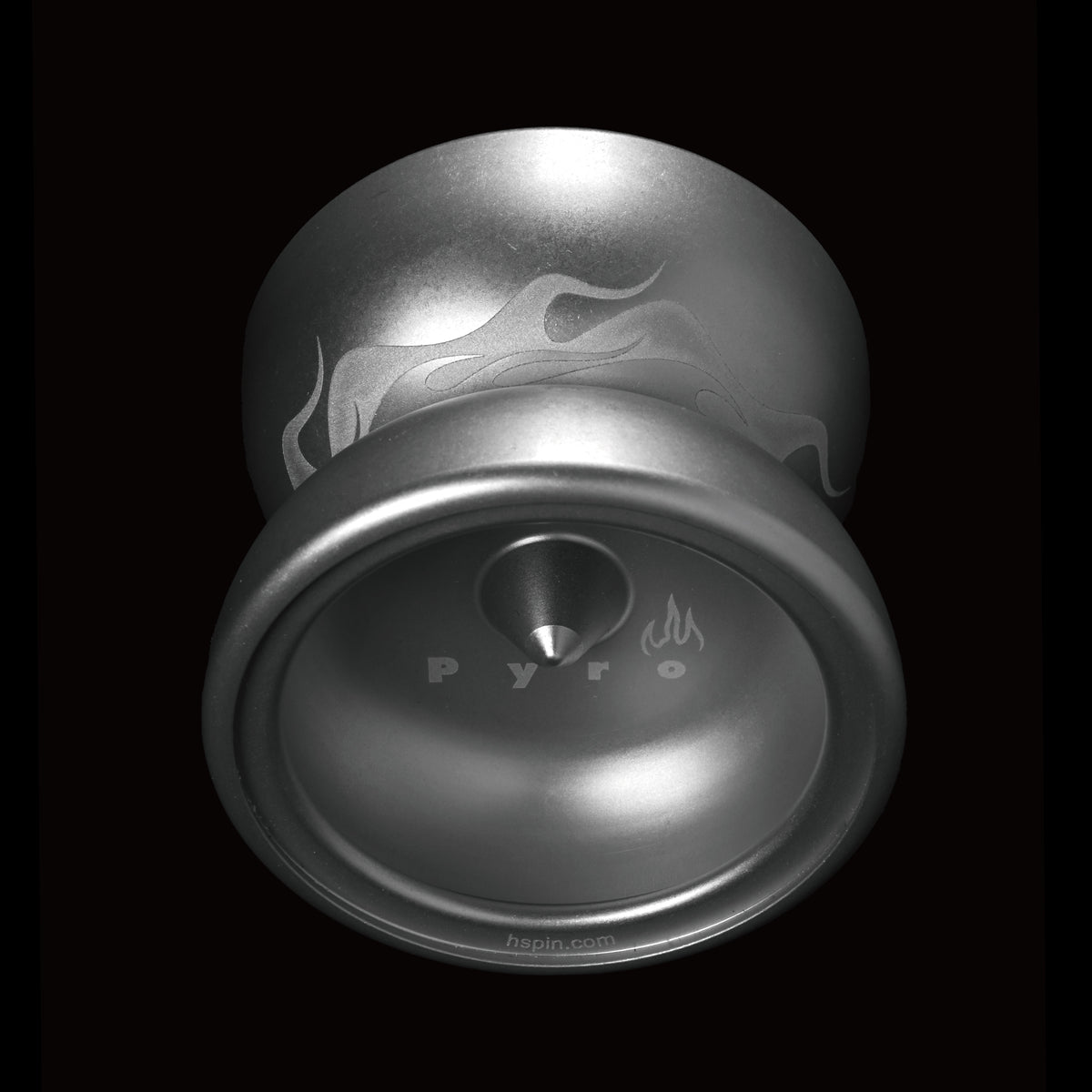
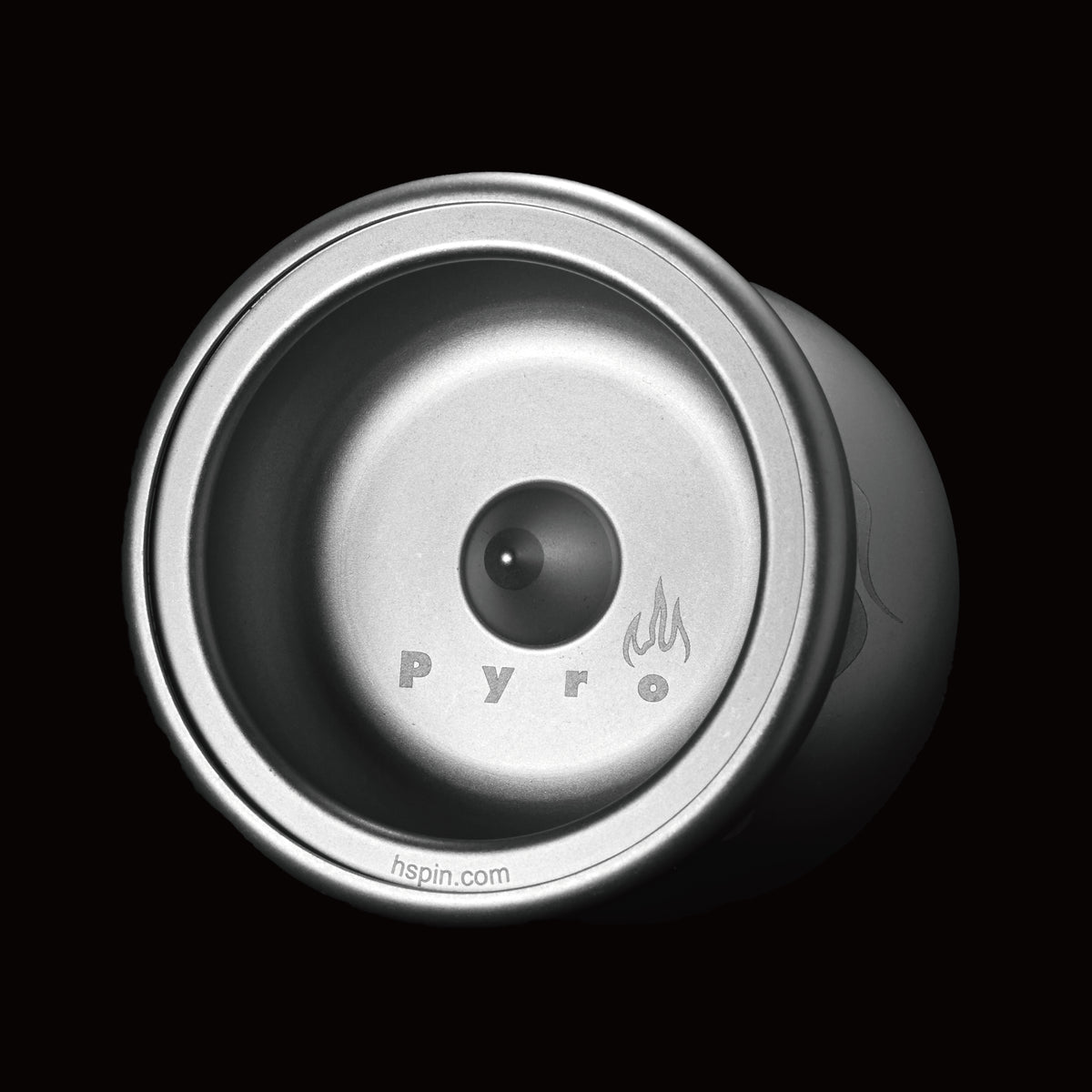
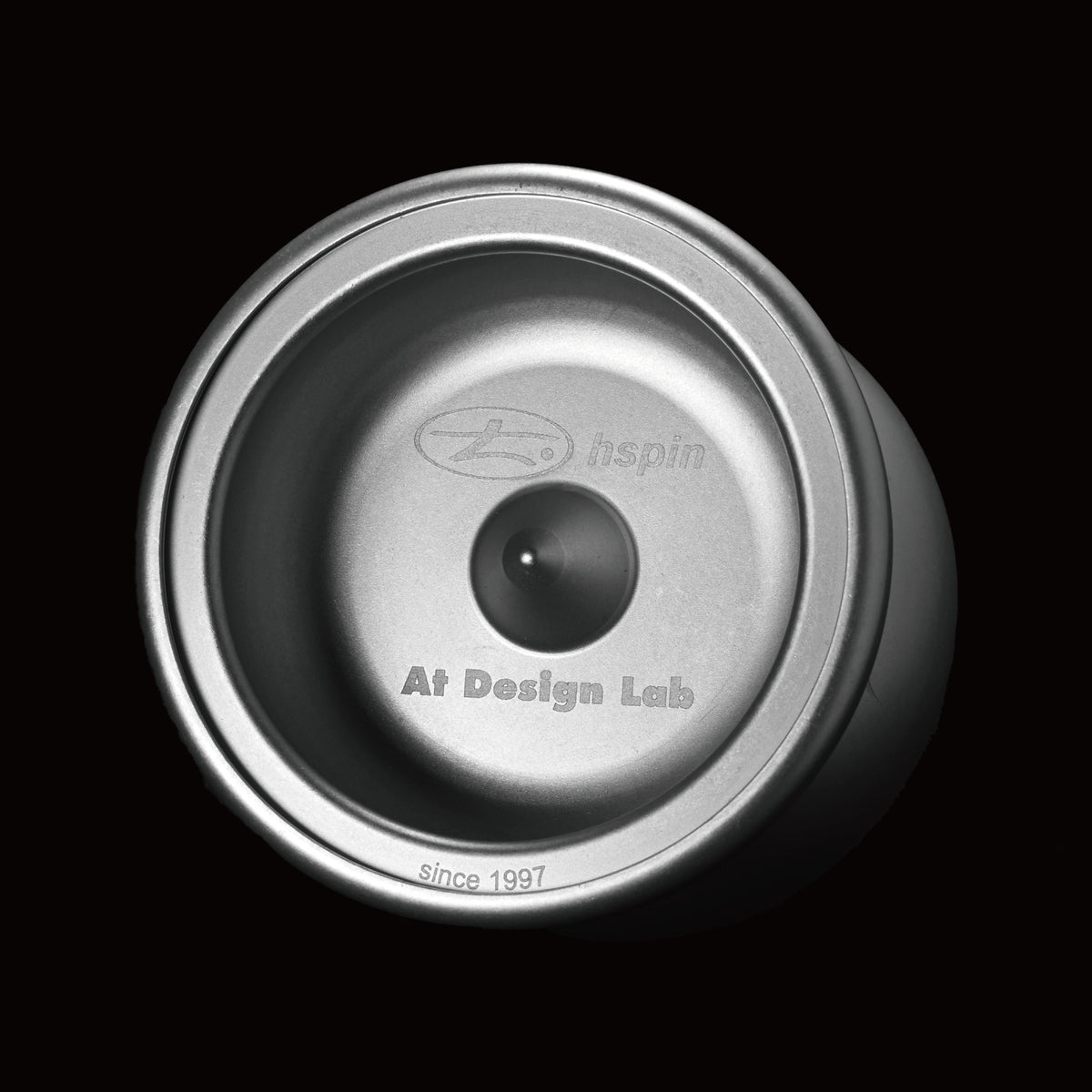
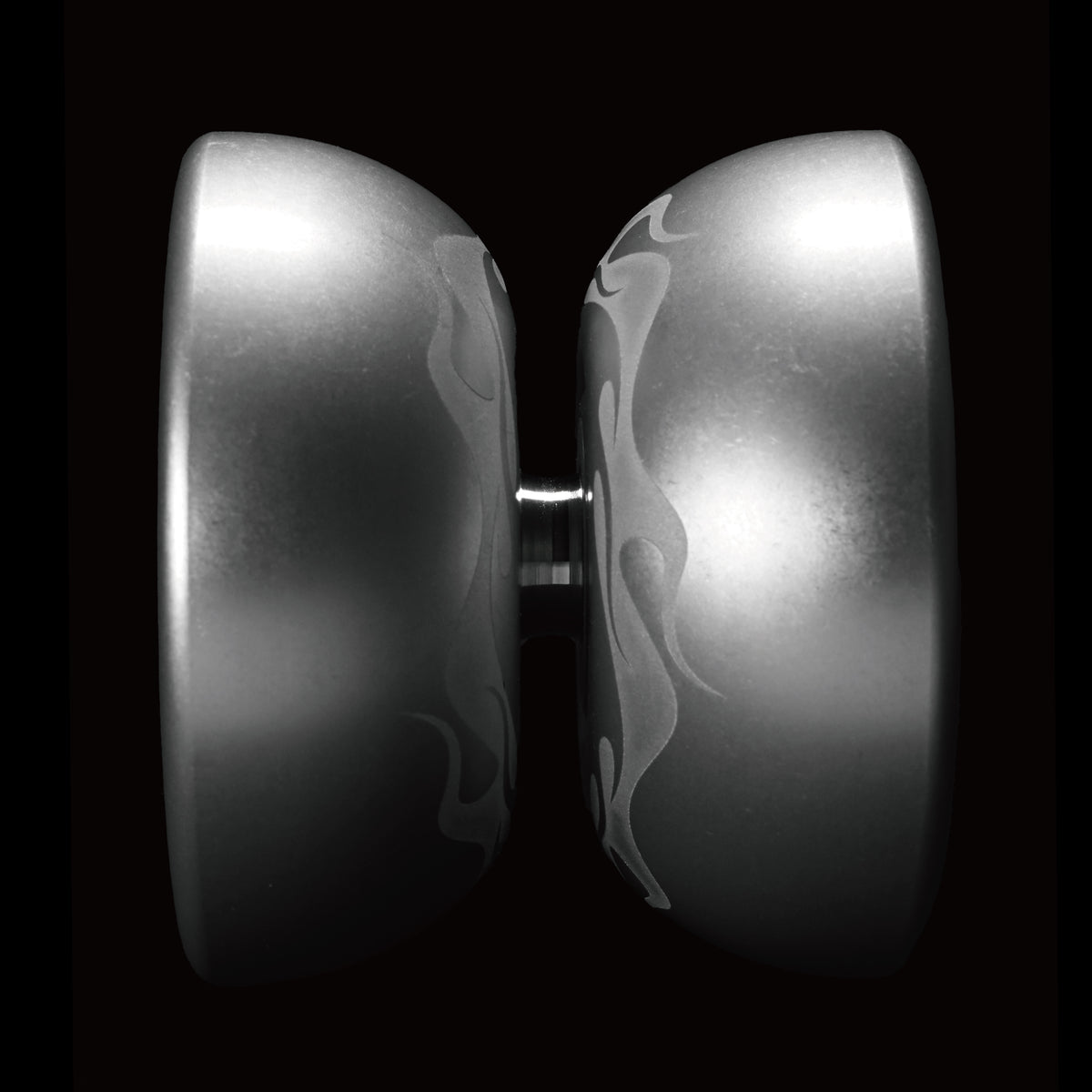
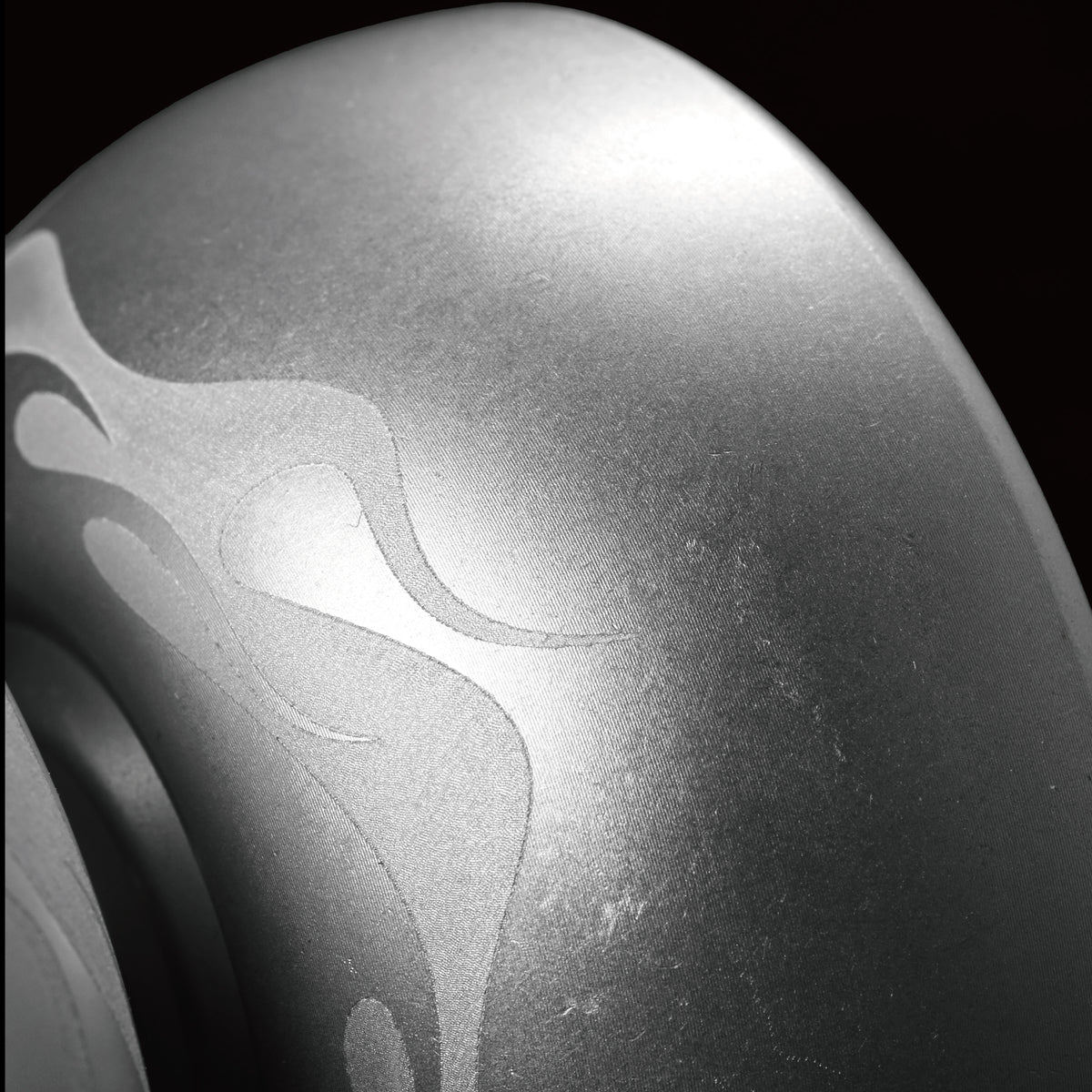
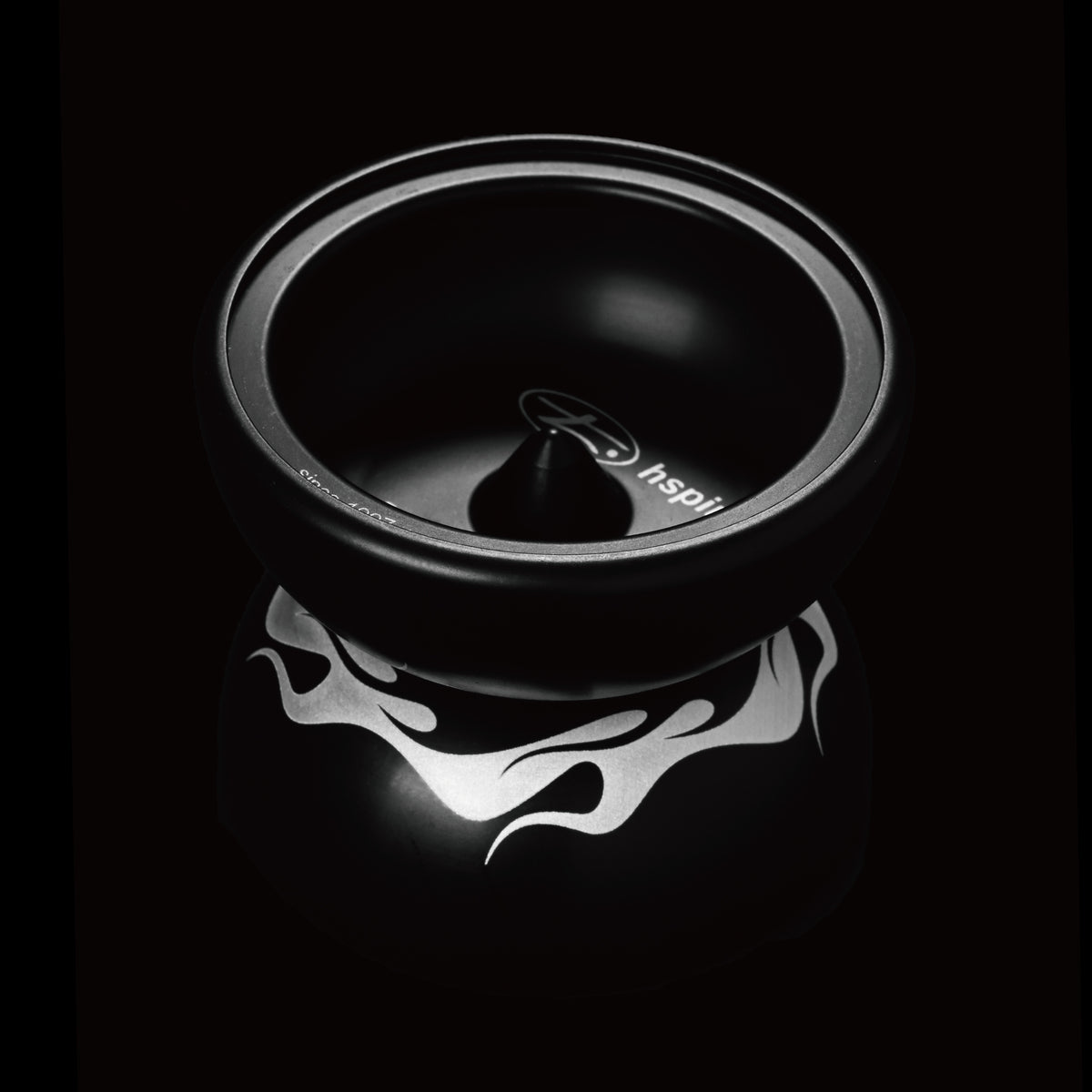

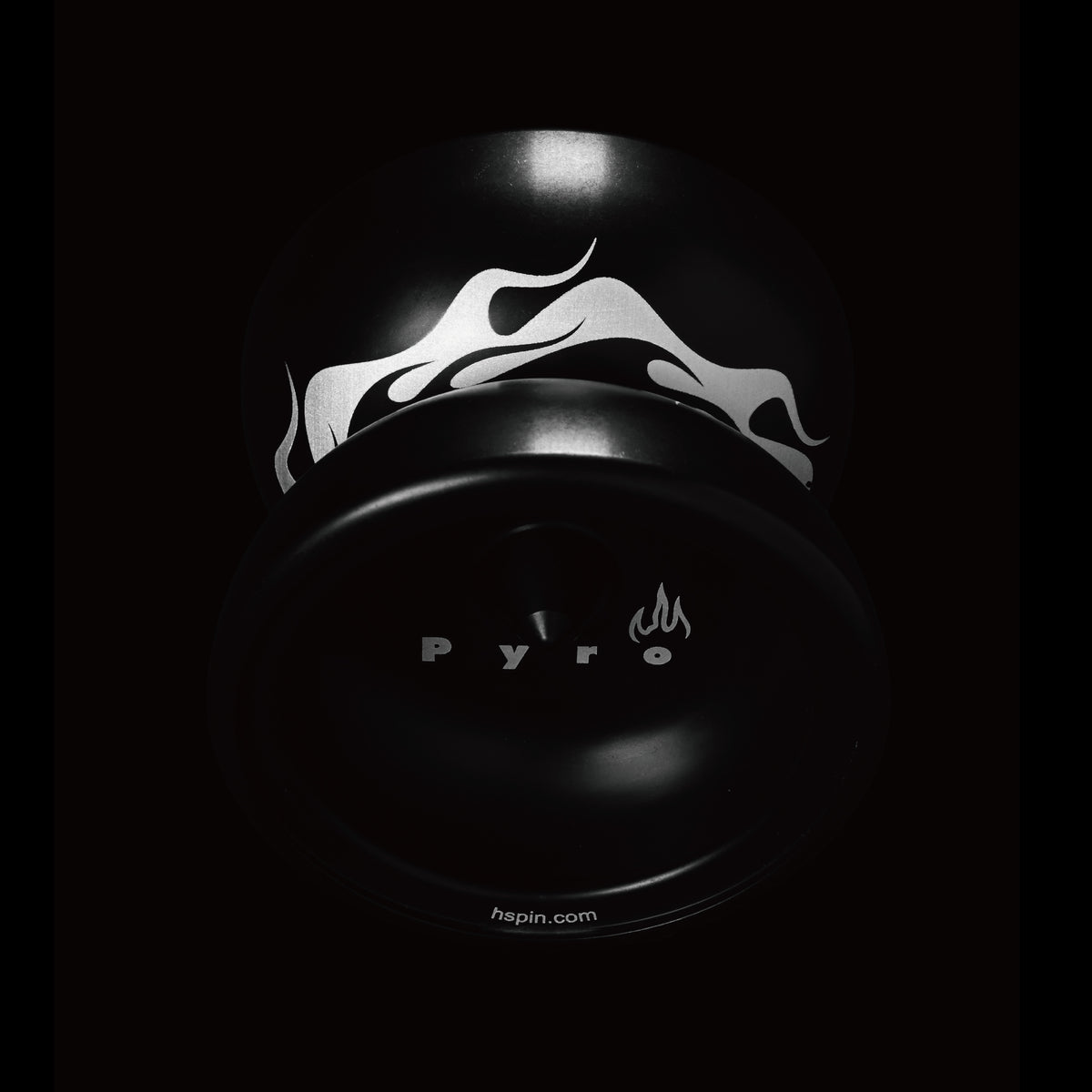
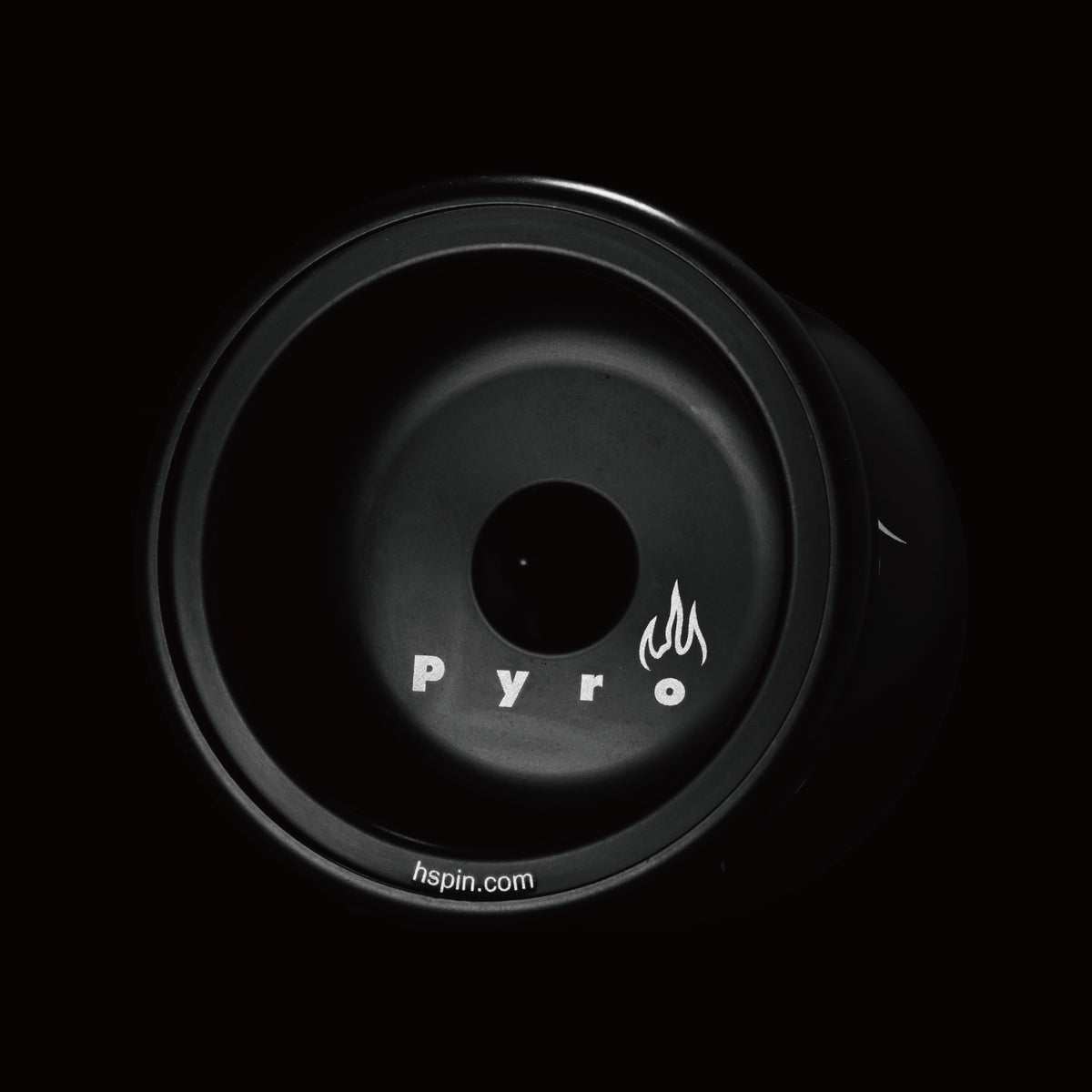

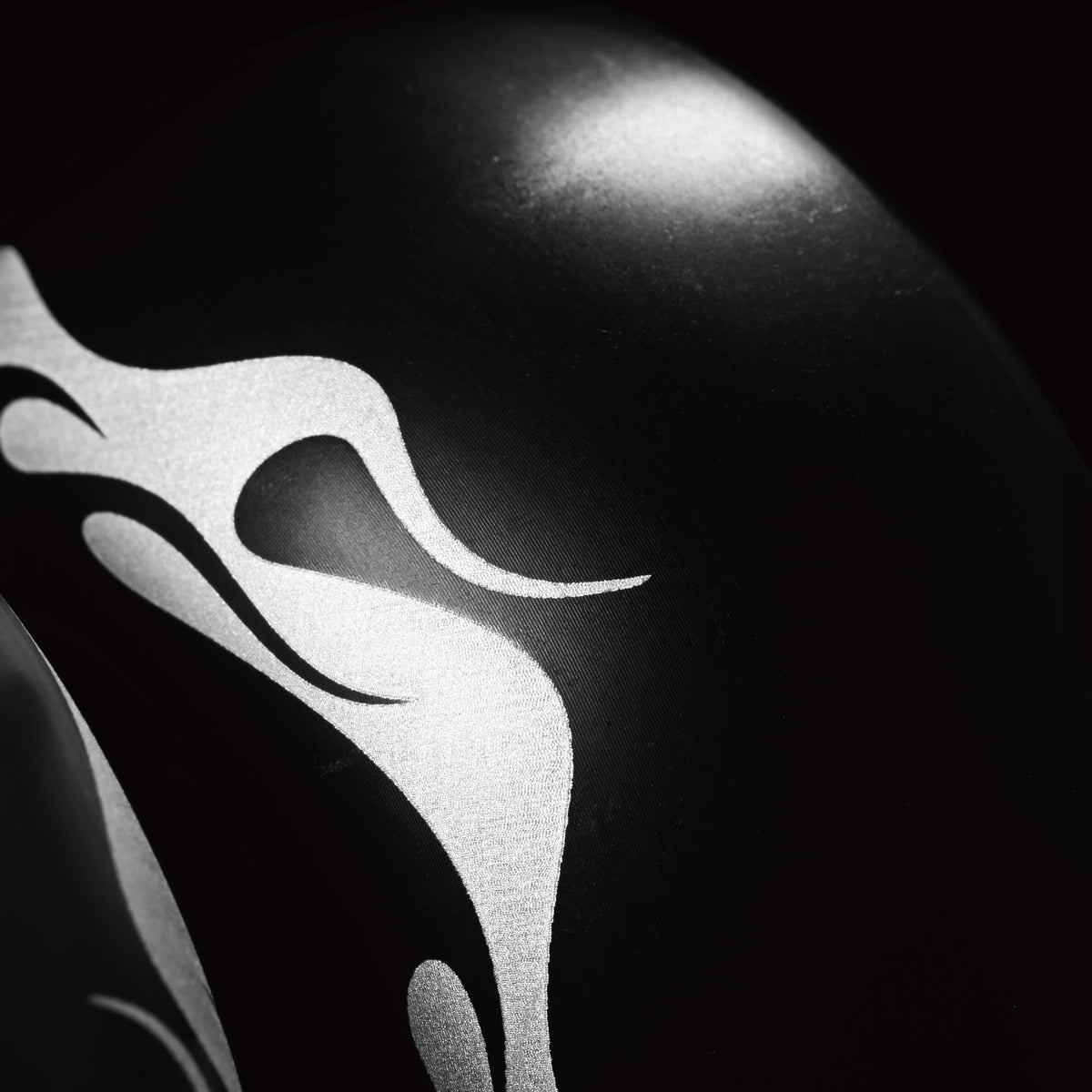

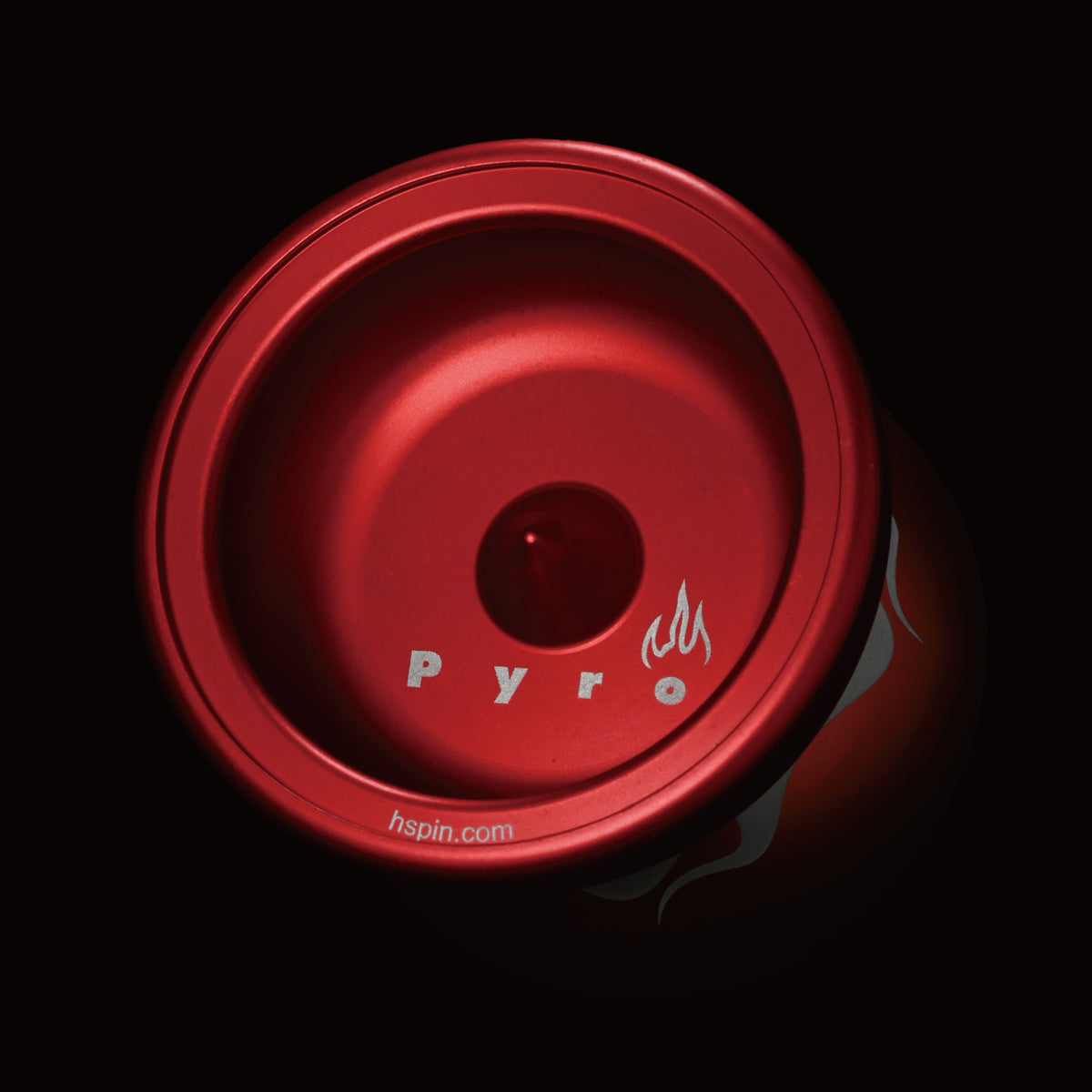
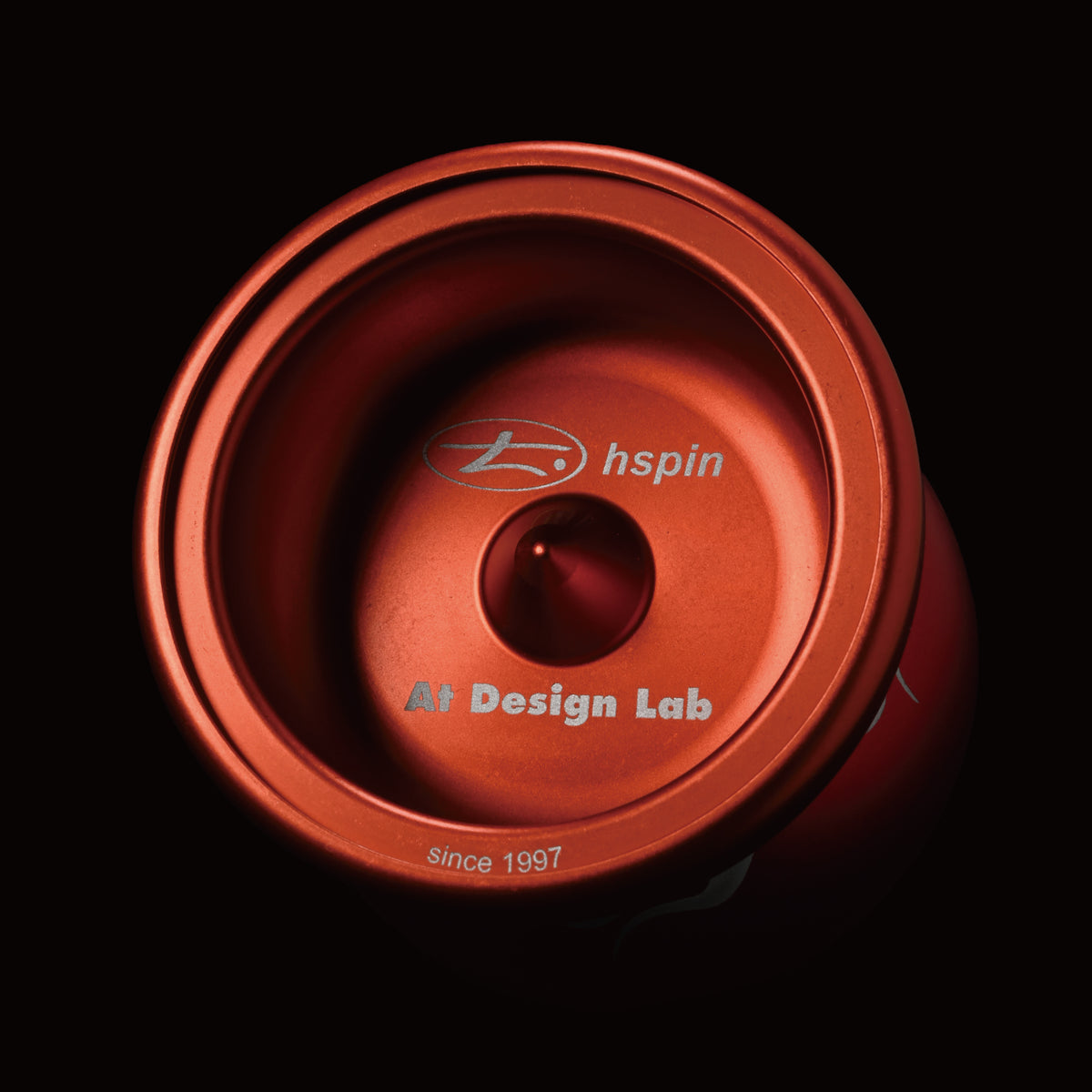
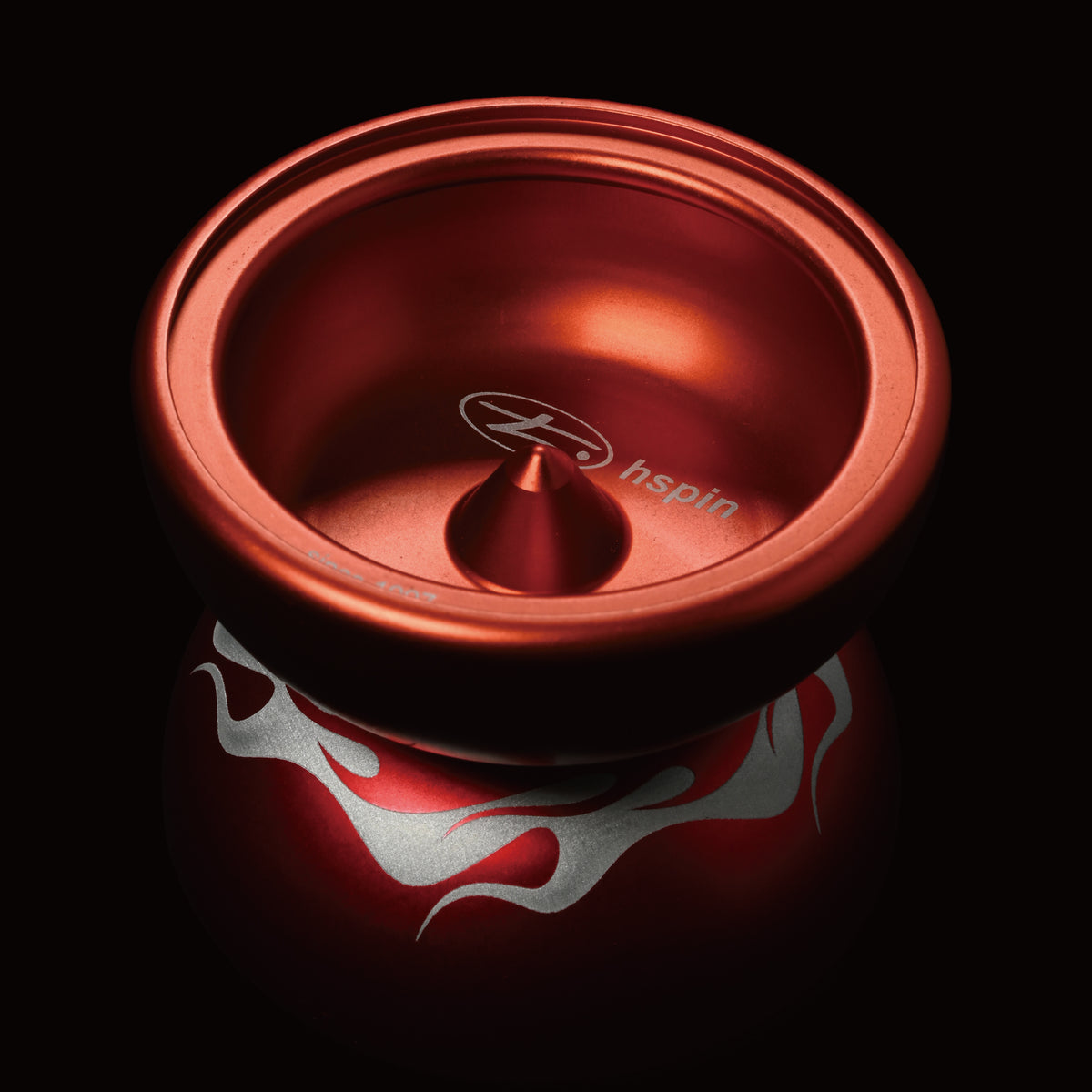
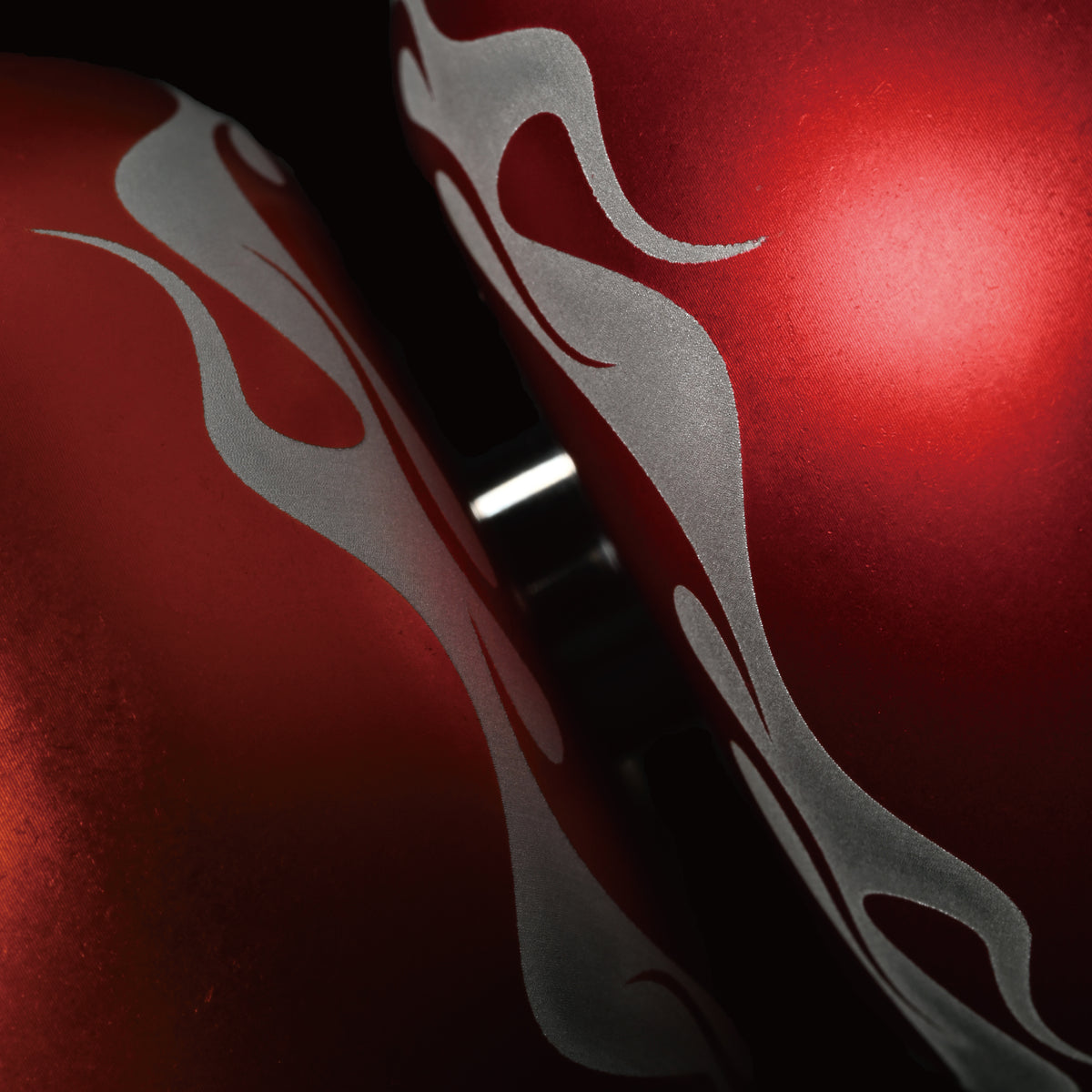
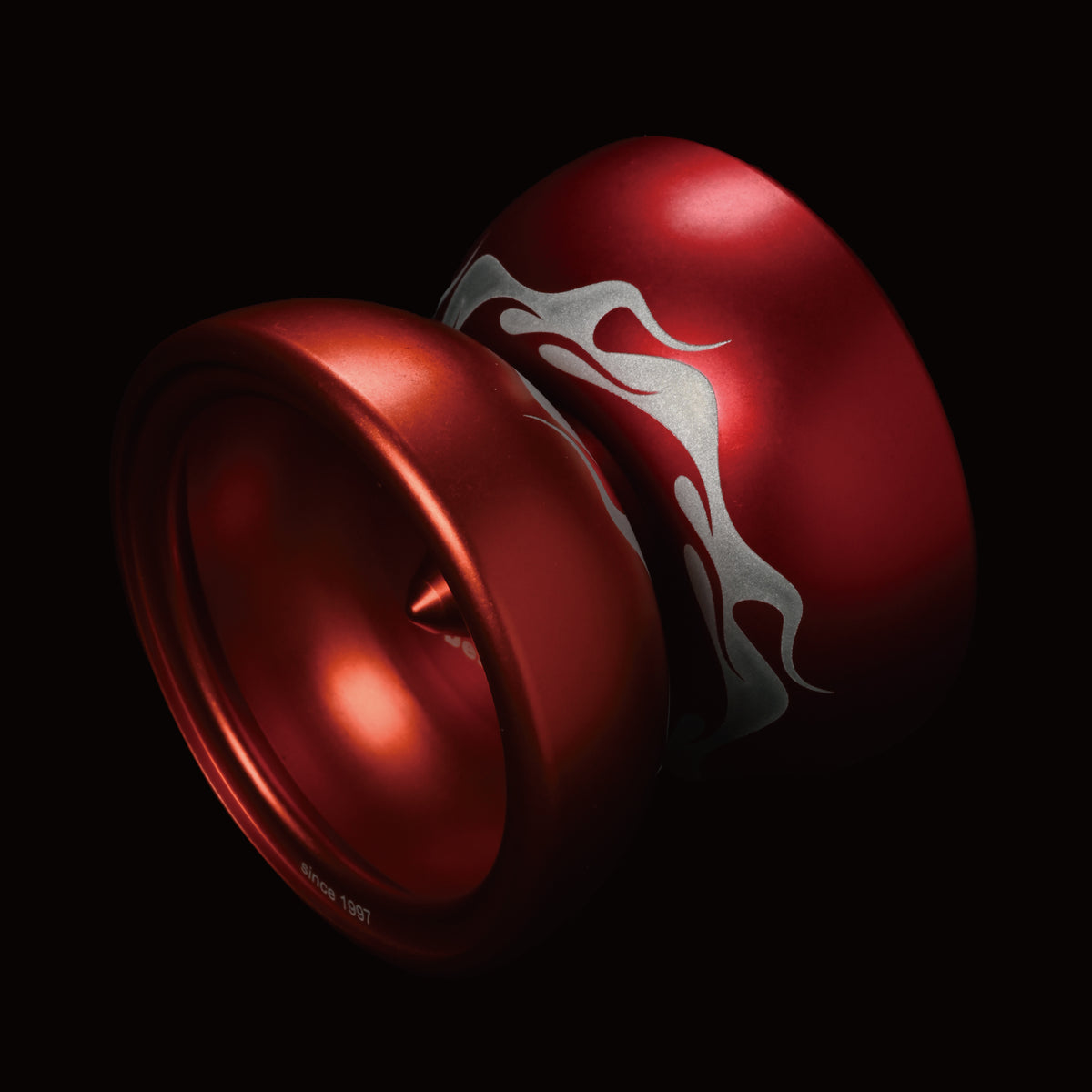
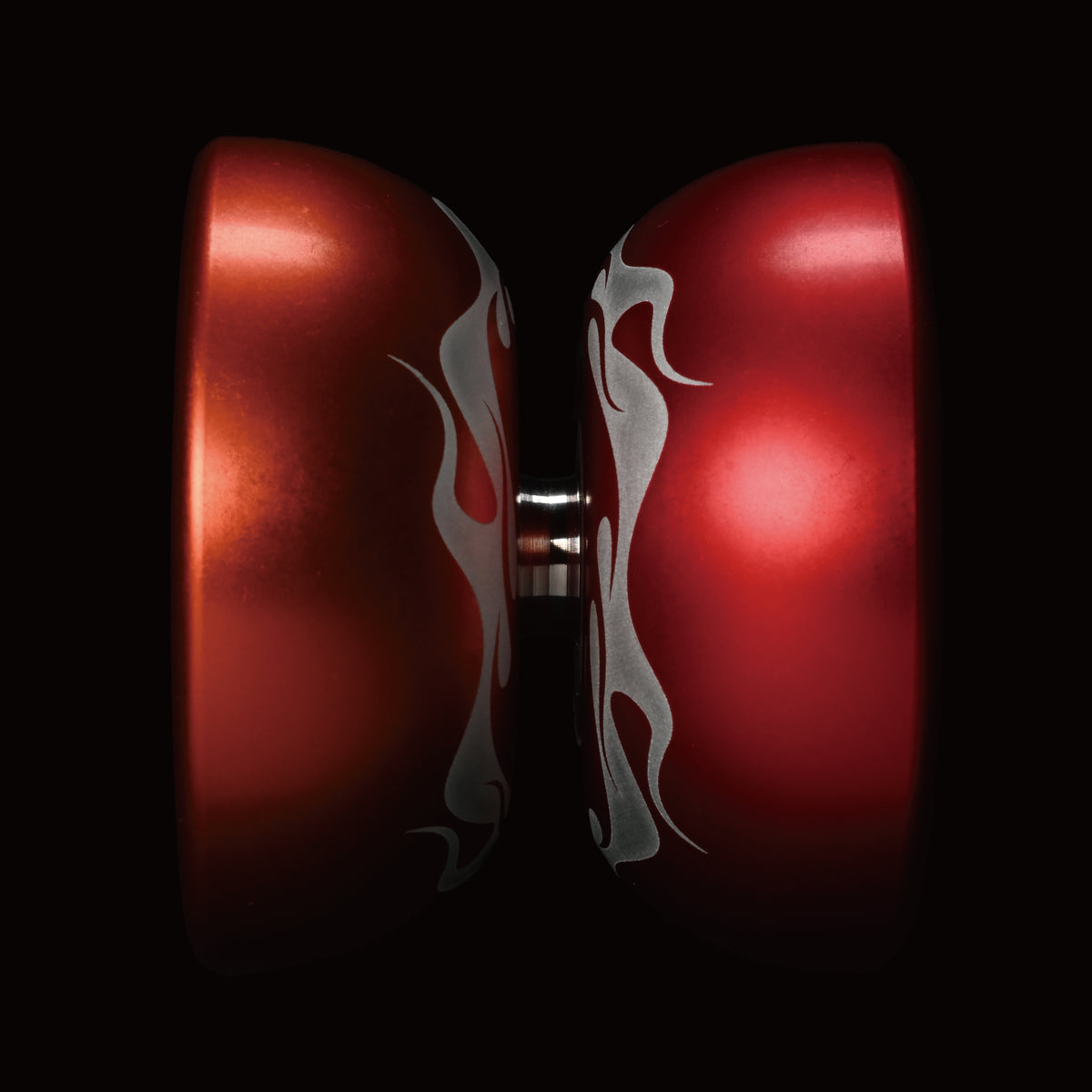
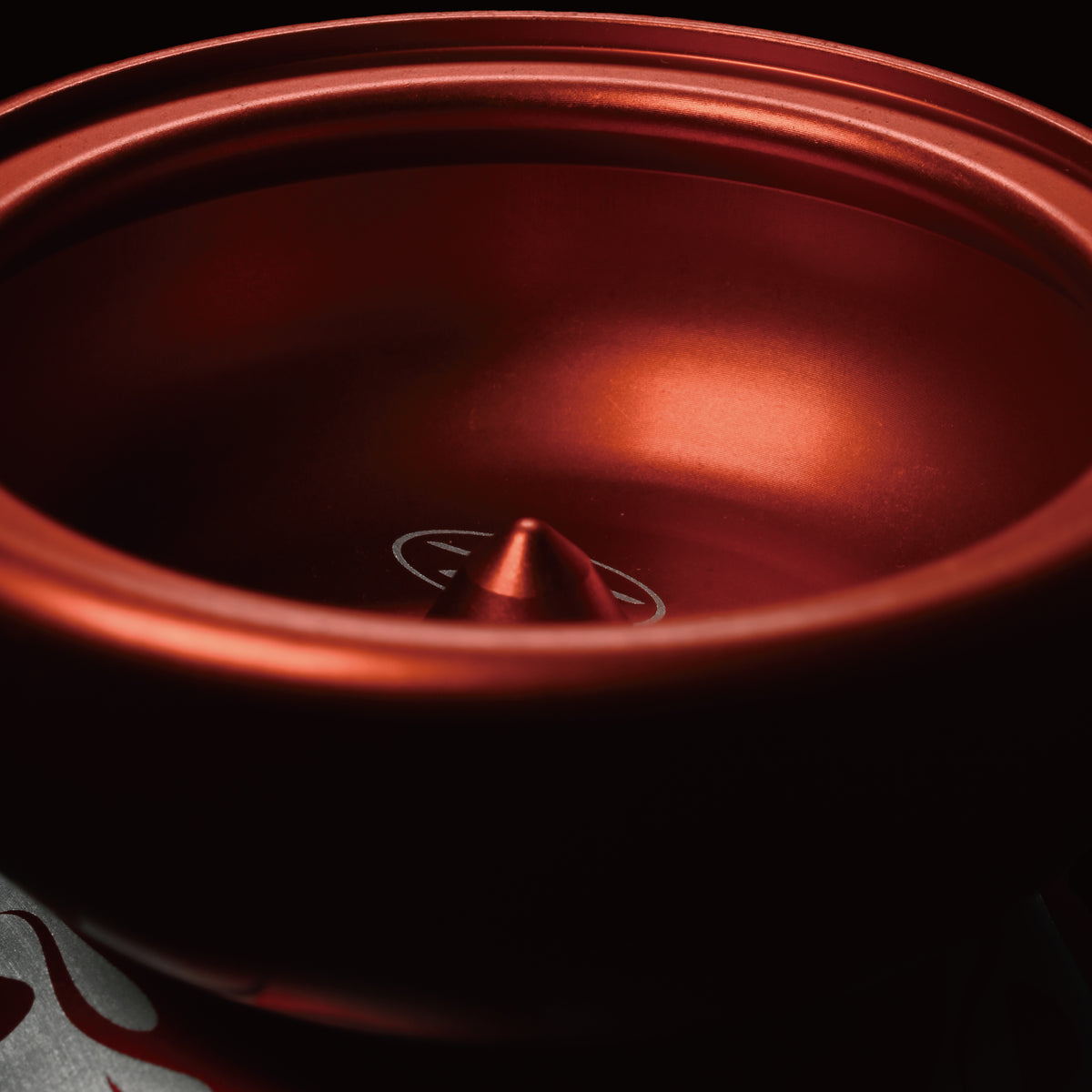
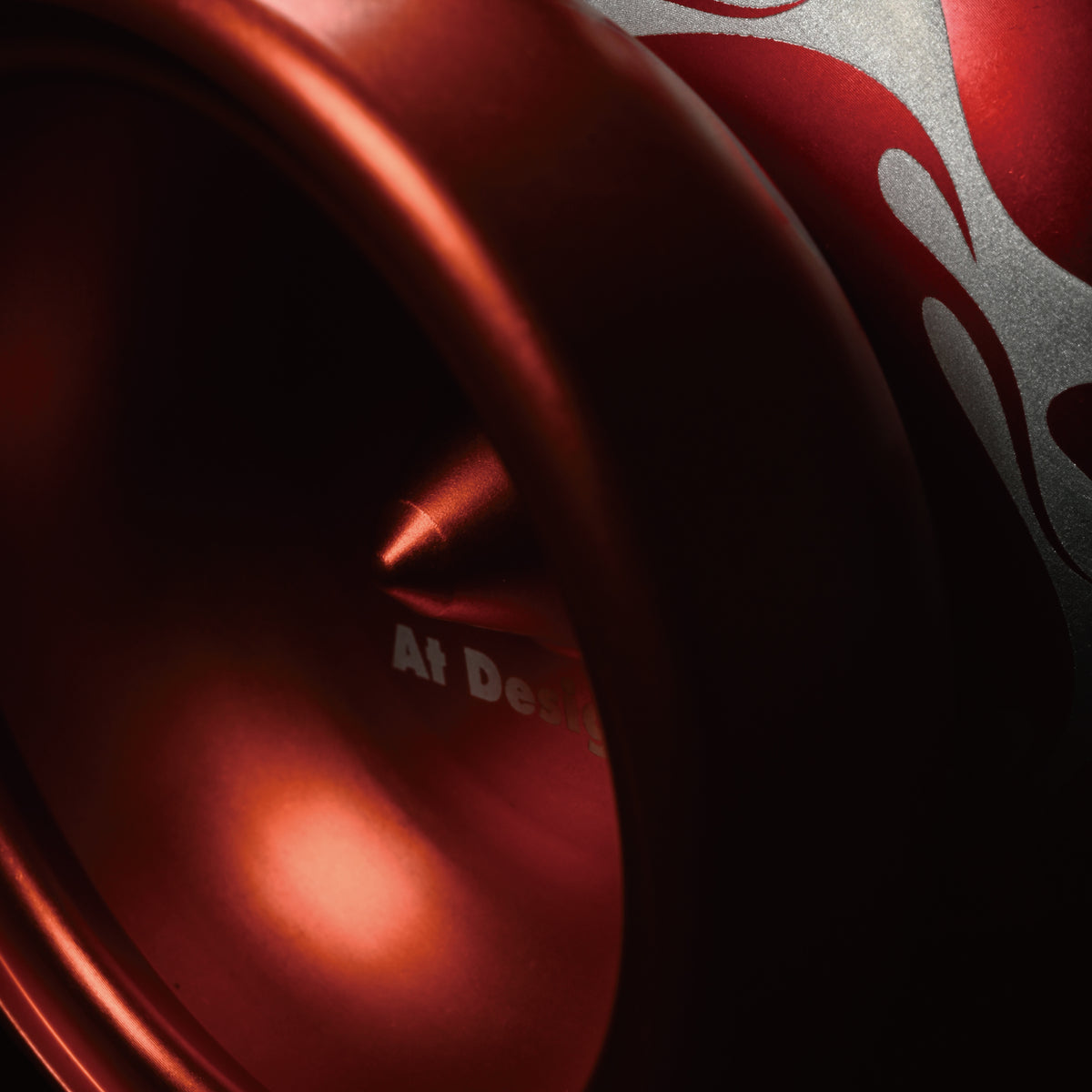
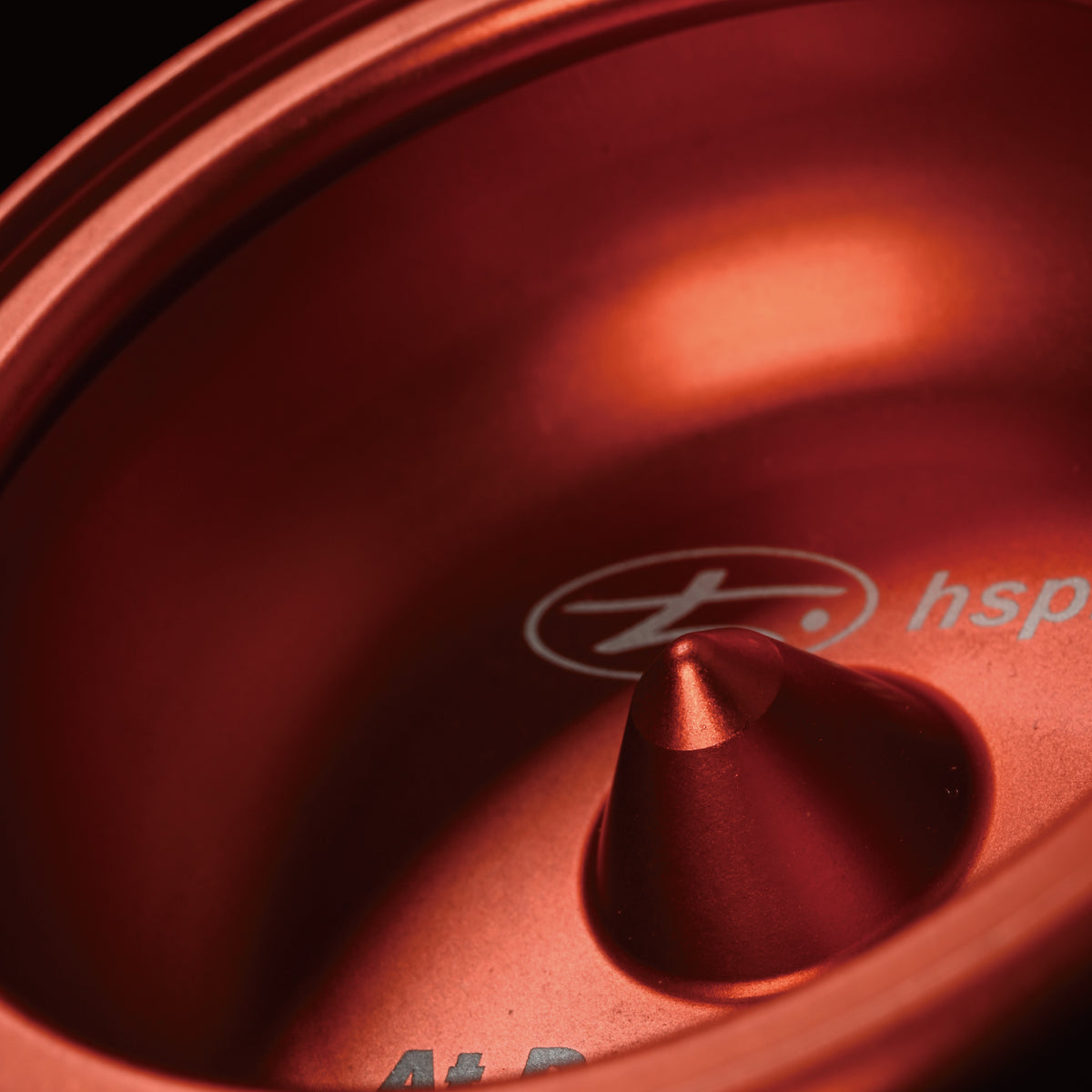

If the Pyro had become pyro, and had carried its DNA through that era as visibly as this —
where would the Pyro have gone from there?
A pyro that passed through 2011 still small, still on size D, still high-wall — what would it have picked up over the fifteen years since, and what would it have let go of? How would it have met the bimetal wave, and how would it have taken the swing back toward full size?
It might have walked a completely different road than the one the Pyro actually walked. Or it might have taken the long way round and arrived at the same place after all.
Nobody knows which.
There is not a single footprint on this road yet.
pyro is only the first step on it. Where it leads from here is something to find out together with the people who pick it up.
The next chapter follows it.
To be continued.
HSPIN × At Design Lab
DISTILLED, NOT DILUTED
In 2011, there was another answer.
This is it.
The years of trial and error
No one had the answer
In December 2005, the Pyro opened the door to the competition metal yoyo. Brands all over the world ran through it at once. The years that followed were the dawn of the metal yoyo, and at the same time a long stretch of trial and error. What shape should it be. What should the response be made of. Which bearing standard would everything settle on.
No one had the answer.
Take the response alone: DIF PADs, each brand's own proprietary pads, and gradually ring pads — the mainstream changed hands several times in the space of a few years. Bearing standards were just as scattered. Every time a player bought a new yoyo, they had to check which replacement pads and which bearing it took.
Shapes were unsettled too. Round, butterfly, H-shape, V-shape. Where along the outer edge should the weight sit to spin best? Everyone was feeling their way toward it.
Almost every month a new shape appeared and was tried. Brands came and went. A model called a classic was out of date six months later. In the space of a few years, the competition yoyo was defined and redefined again and again.
Looking back it reads as chaos, but for anyone who was inside it, every month felt like a festival. No one could predict what would come next.


The years of getting smaller
And looking back across those years, one clear direction had emerged in metal yoyos.
They got smaller, and lighter.
And looking back across those years, one clear direction had emerged in metal yoyos.
They got smaller, and lighter.
The reason is simple. A block of metal is heavy no matter what. A heavy yoyo spins well, but it is harder to move. So bring the diameter down and get the handling back — many brands arrived at the same conclusion.
There was a shift in how people played, too. Tricks got faster and more complex year on year. Less time was spent on any single element, the string layers multiplied, and more of the movement happened close to the hands. A large, heavy yoyo struggles to keep up with that pace.
After the YoYoFactory 888 took the World Championship title in 2007, undersized went from a trend to the mainstream.
By around 2010, roughly 52mm had settled in as the "regular size." Bearing and response standards were converging too. The need to check the specification with every purchase slowly disappeared.
The standard for the metal yoyo, chaotic until then, was gradually setting. That meant the market had matured — and at the same time, that the options had narrowed.
The Pyro was 55mm, on a size D bearing.
Plenty of players still preferred what the Pyro chose in 2005 and kept throwing it. They knew there was a feel that only that weight and that size could produce.
But the scene as a whole was drifting, little by little, in a direction away from where the Pyro stood.
Pyro Ⅲ : The Last Pyro released by HSPIN


What Pyro III kept
In 2011, HSPIN built the third generation of the Pyro. Pyro III.
Chris has described the intention behind it in his own words: "PYRO III was trying to modernise gap technology while preserving what the PYRO was." And keeping the spirit of that iconic flame pattern, too.
And the shape did not change. The same round shape. The flame pattern is still there. Seen from the outside, it is unmistakably a Pyro.
This is worth underlining. In 2011, drawing an entirely new shape was obviously an option. New silhouettes were arriving on the market one after another, and designing from zero would have produced a yoyo that answered the demands of the era perfectly.
HSPIN still did not let go of the Pyro's silhouette.
What Pyro III kept was the Pyro's form, and its spirit.


What Pyro III changed
What changed was the center
The bearing moved from size D to the larger size L — the standard HSPIN had held for six years. Size D was part of the Pyro's identity, so this was no small change.
The response pads moved to modern ring pads. And the diameter went from 55mm to 52mm. That 52mm, the standard of the era.
The edge beside the gap was also brought down significantly, giving it a modern low-edge design.
Lowering the edge means reducing friction against the string. In complex tricks, string stacked several layers deep touches the inner wall of the body, and that contact takes spin away. With a low edge, even when the string does make contact, the spin loss is kept to a minimum. To handle the string tricks of the time, a low edge was becoming simply what a yoyo was expected to have.
Pyro III kept the Pyro's form, replaced everything inside it with current design, and landed squarely in the middle of its era. Only 149 pieces were made.
And it became the last Pyro released by HSPIN.


If there had been another approach
Pyro III was the right answer.
Deciding what to protect, and deciding what to let go of in order to protect it — that is the hardest work a brand owner does, and Pyro III is a product that saw that work through. Protect the most visible part, the exterior; modernise the part no one sees, the interior. Given the time and resources available, there is no more rational judgement than that.
But there was not necessarily only one answer.
Over those years, yoyos became smaller and lighter. To meet that change, HSPIN moved the Pyro forward — through the Pyro Light, and on to Pyro III. The Pyro Light answered by subtraction. Pyro III answered by replacing what was inside.
And looking back at it now, a question surfaced.
If the Pyro's DNA had been kept even more intact while meeting that same change —
what shape would that answer have taken?


SCALE
pyro is the Pyro OG drawing, made smaller.
55mm → 52mm.
A factor of 0.945.
Nothing about the body design was touched. The curve of the catch zone, the thickness of the rim — all of it is 2005. Not one proportion has changed. It really was only made smaller.
44mm wide. 61g.
So neither of those is a chosen number. They are what happened when 55mm became 52.0mm. Shrink something at true scale and its volume falls with the cube of that scale. 0.945 cubed is roughly 0.845. About 85% of 71.7g is 61g. It did not get lighter because material was removed. It got lighter because it got smaller.
So the weight distribution the Pyro had sits inside this smaller body exactly as it was. The weight pushed out to the rim, the lightness at the centre — that relationship is completely unchanged. If it feels denser in the hand than its size suggests, that is not an illusion.
Not everything follows the scale, however.
The bearing does not shrink. A size D is a size D; its physical dimensions do not change. Neither does the axle thread, nor the pads. Only the body becomes 0.945, and everything else stays at full size.
Which means that, against a smaller body, the bearing and the pads become proportionally larger. How to reconcile the things that do not shrink — that is what leads to the second change.
Nothing taken out. Nothing added. Only the Pyro, made smaller. This is what we named DISTILLED.


SHMOOVE RING
The second thing changed is the shmoove ring.
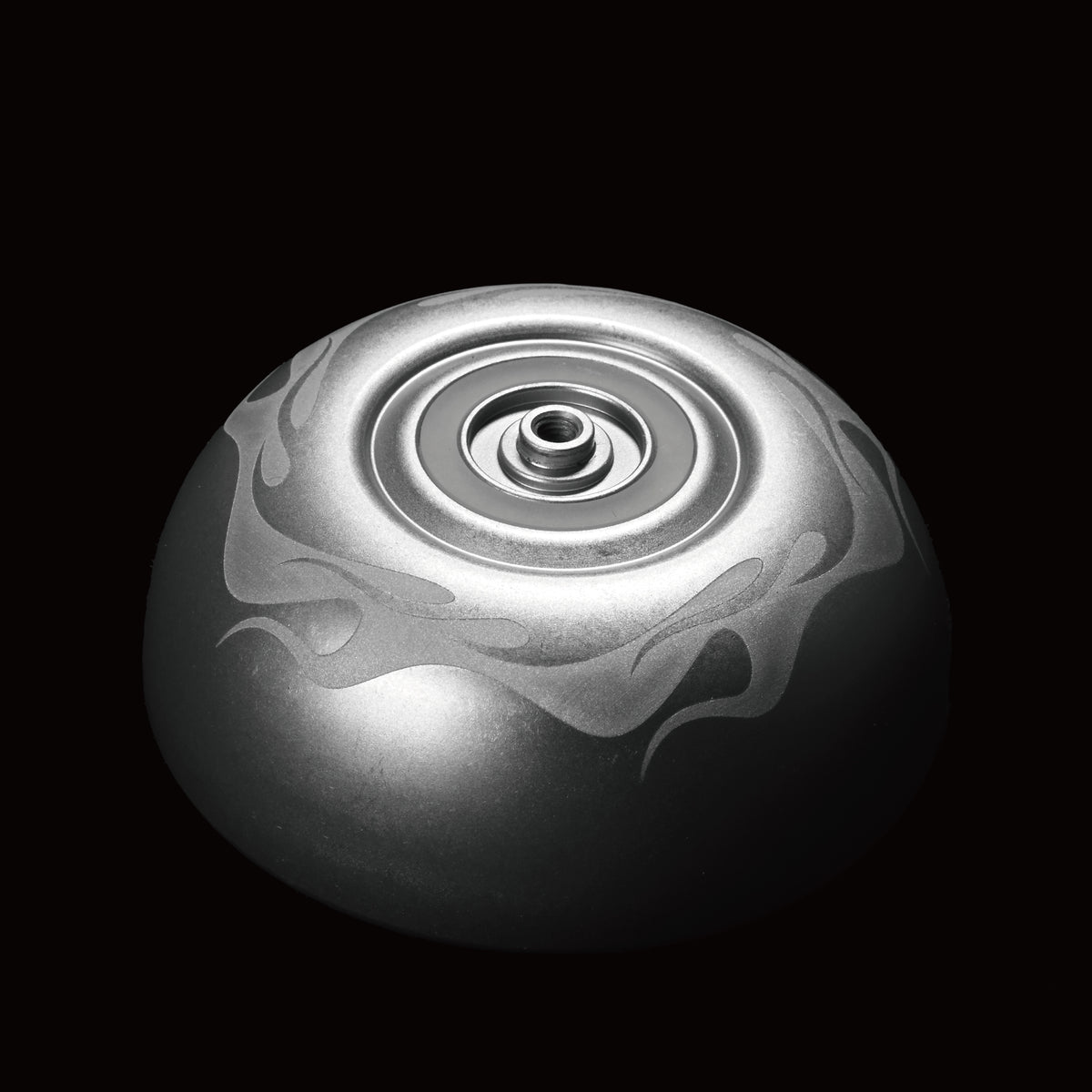
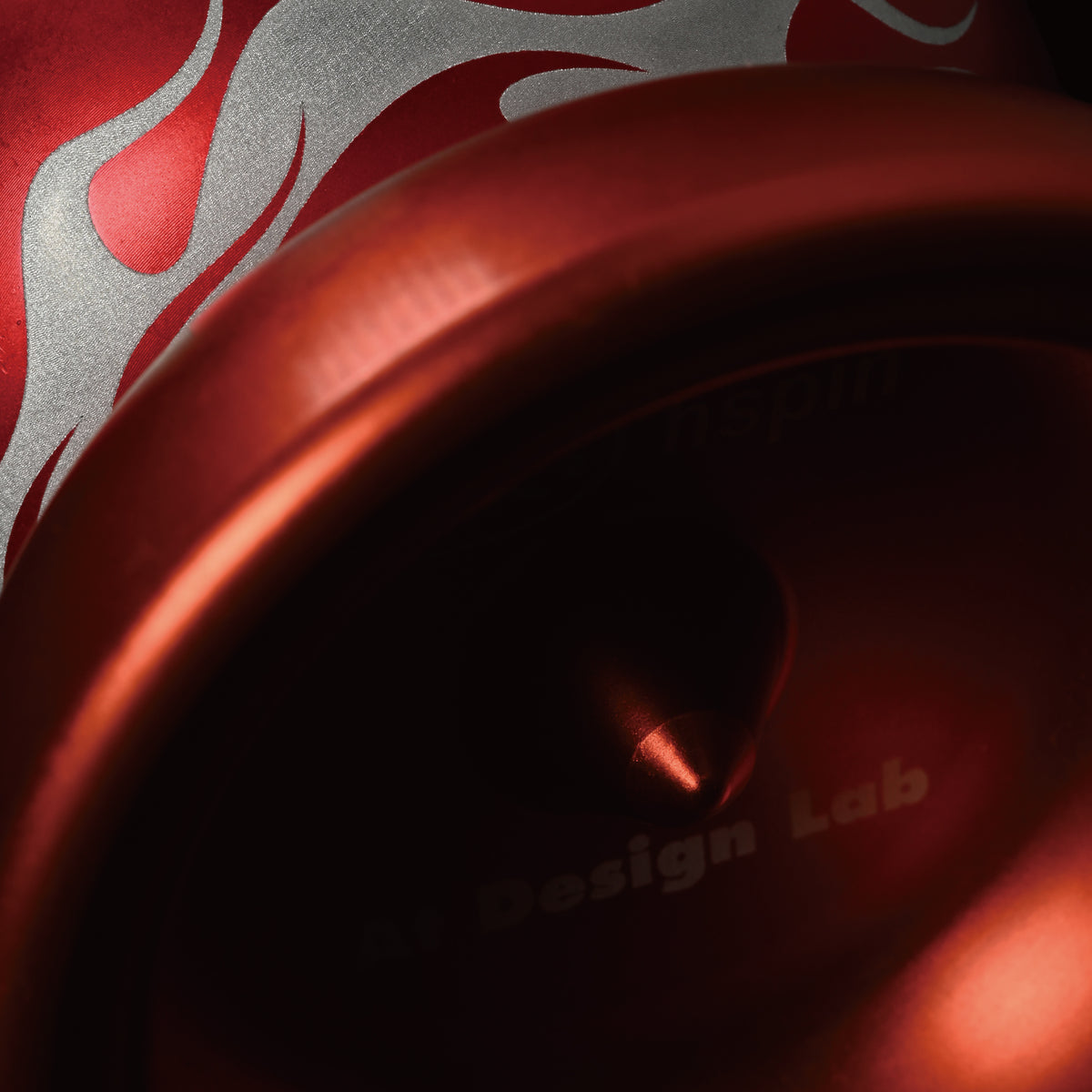
The second recess beside the pad, and the ring around it — the inner detail of the Pyro OG, altered.
pyro makes it larger than the Pyro OG's.
On modern yoyos, bringing the edge down has become the standard way to reduce the spin loss caused by the string touching the body during complex tricks. That is the method Pyro III chose, too.
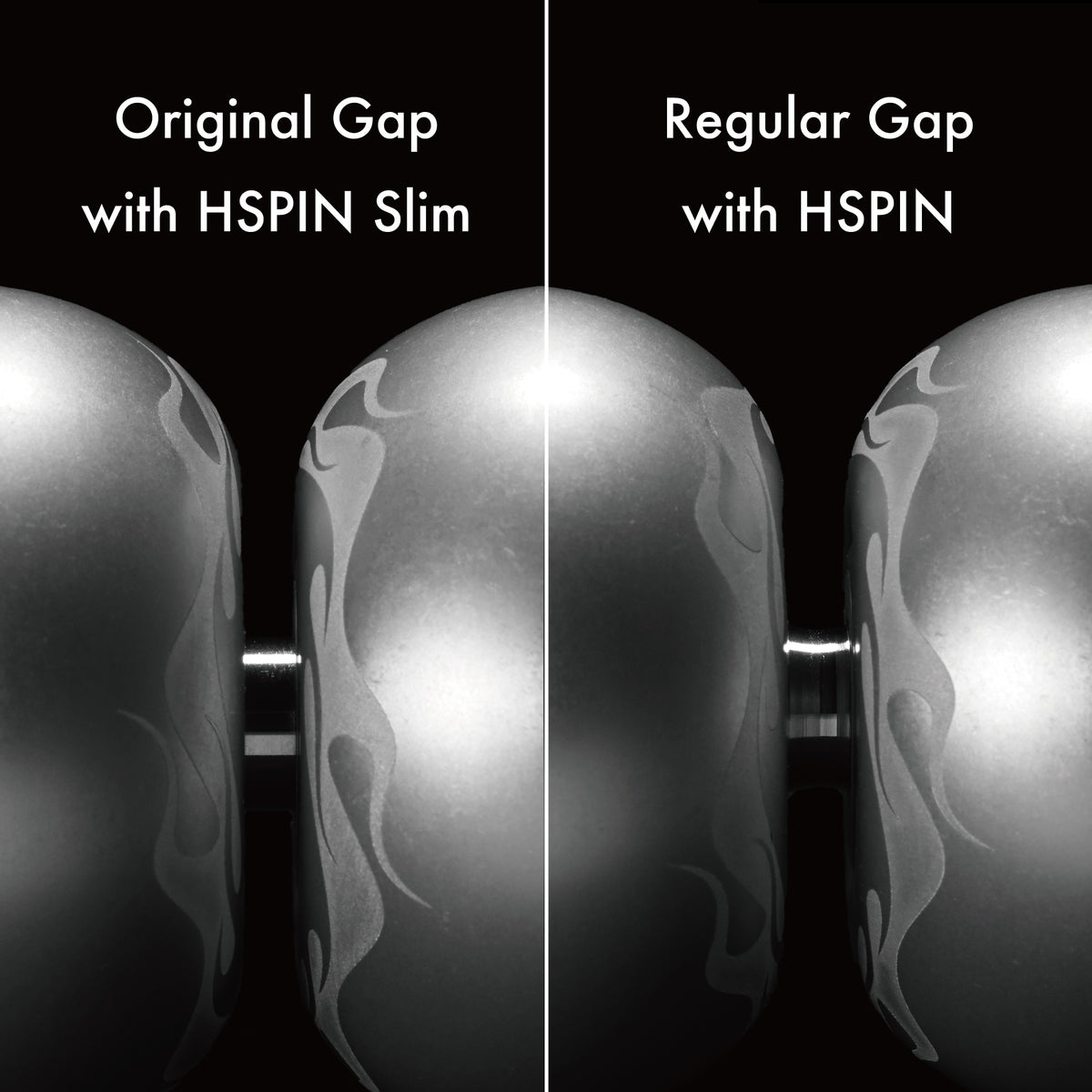
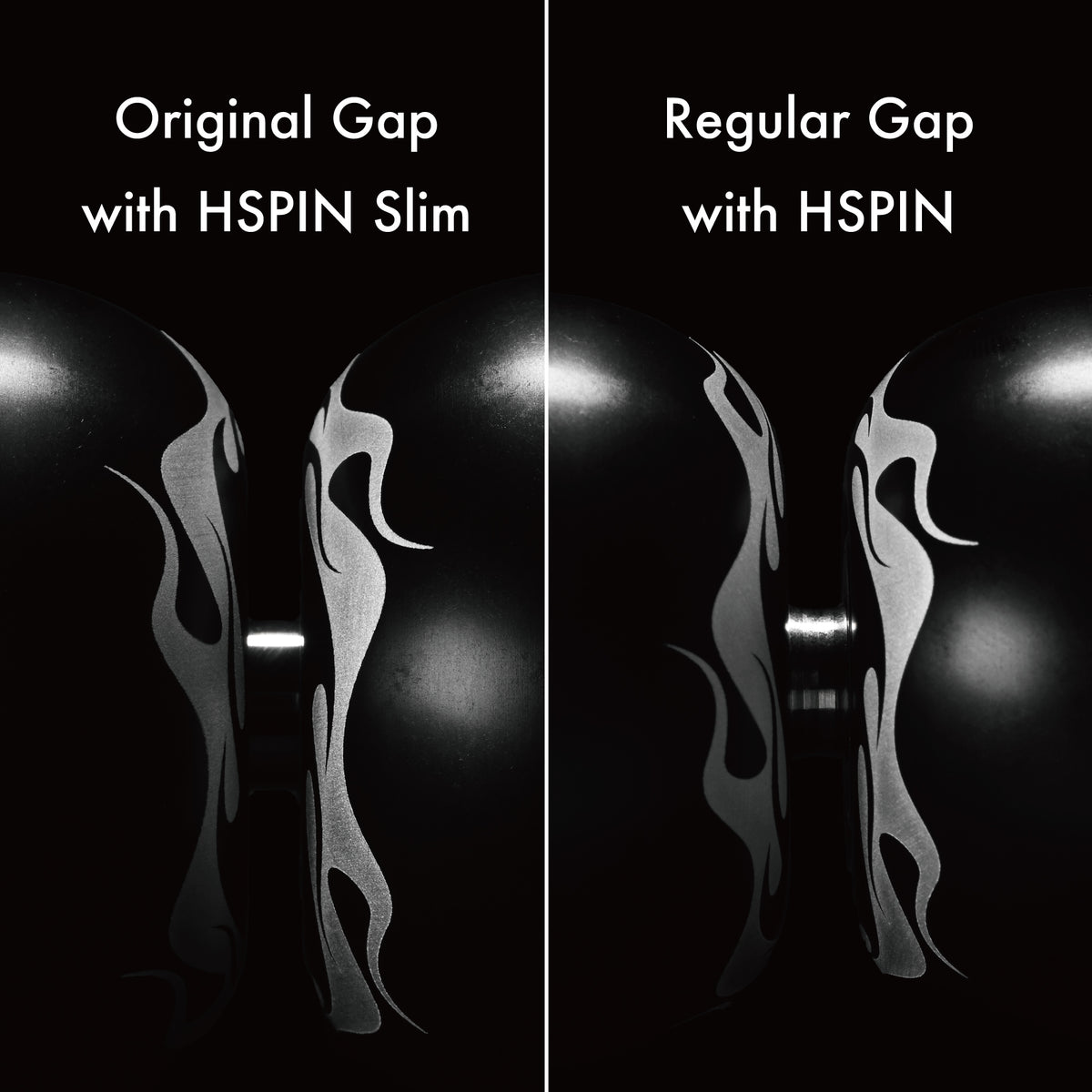
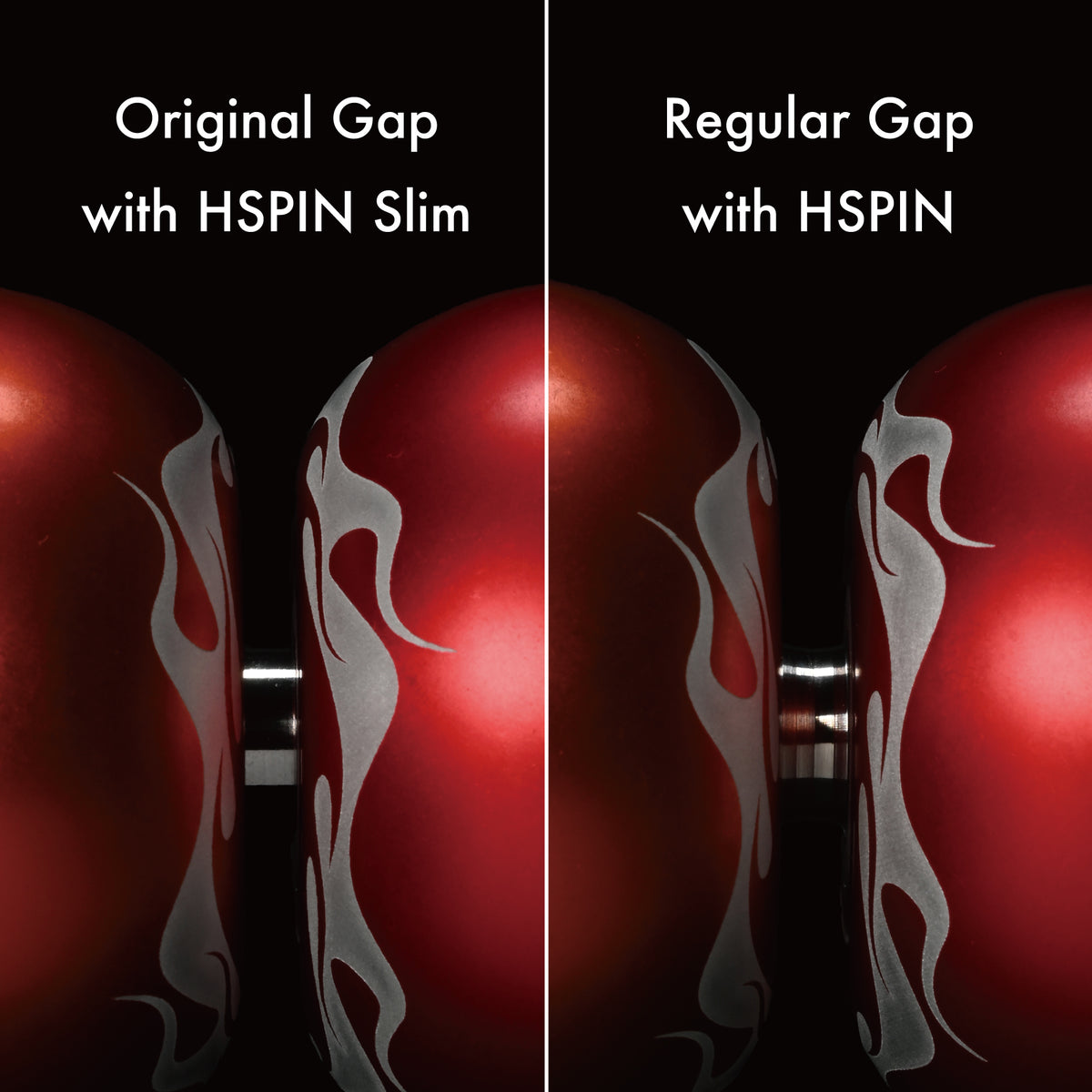
The Pyro, by contrast, is a high-wall design, where the sides of the gap rise up steeply. By modern standards, the friction when the string touches there is considerable. And as noted above, the string does not get any thinner just because the body got smaller. In relative terms, the conditions are tougher than they were on the Pyro OG.
Lowering the edge would solve it. But the edge is the outline of the body itself — it is what makes a Pyro a Pyro. Change it, and pyro stops being a Pyro.
So the inside was changed instead of the outside.
Cutting the shmoove ring deeper and wider creates space on the inside for the string to escape into. The gap was also opened up to match the yoyos of that era. Not one line of the visible outline moves, and only the part the string passes through is brought up to date.
The result keeps the shape the Pyro had, and the way it sits in the hand, while lifting performance to where modern tricks can be played.
If efficiency were the only concern, lowering the edge would have been faster. This longer way round was chosen because not one part of this shape was to be cut away.


COLOR
If the form was made smaller, the color should concentrate by the same amount.
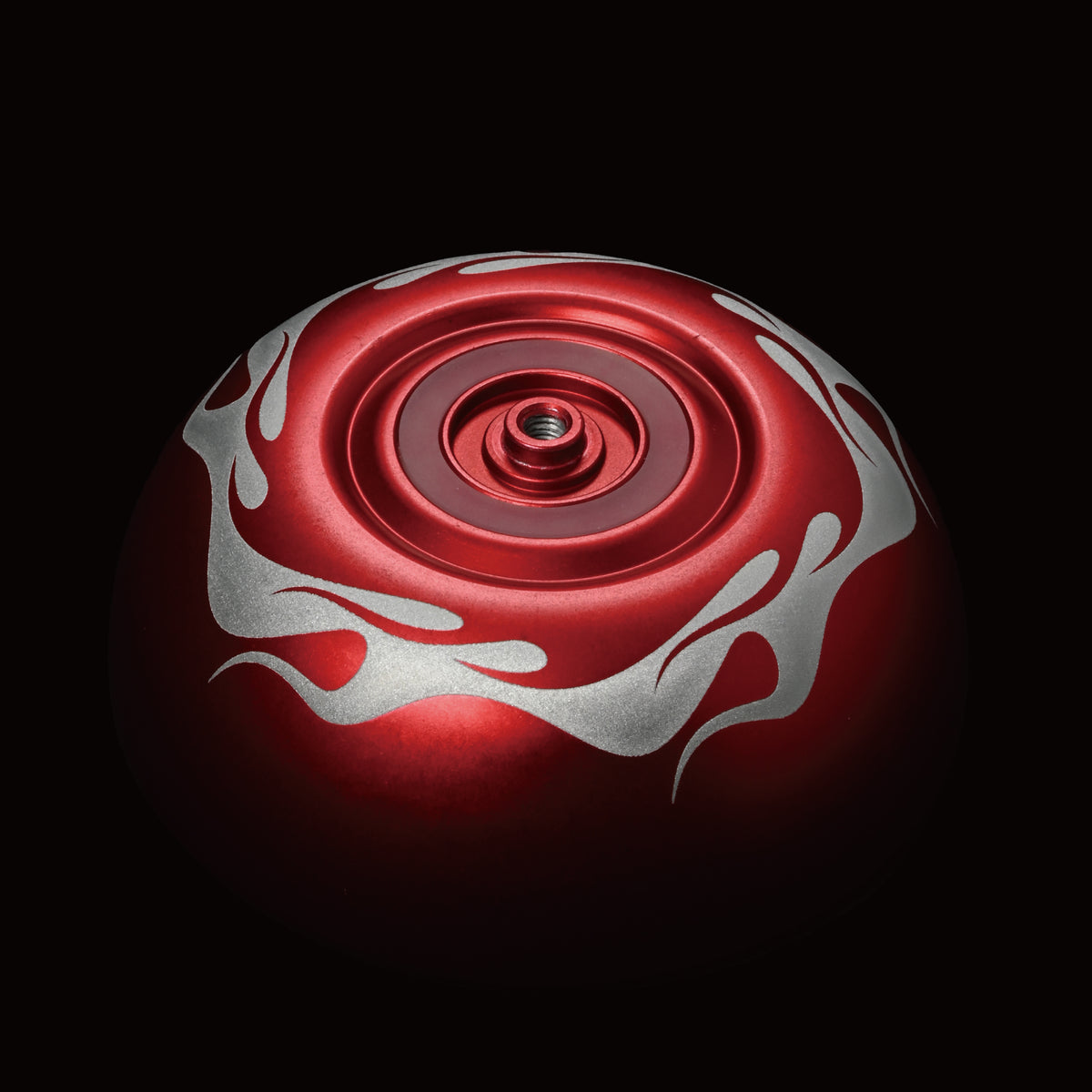
The Pyro OG's red was the red of a flame. Bright, burning outward. Answering the flame pattern on the body, it was a color that made you feel heat.
Take that red and reduce it at the same ratio as the form.
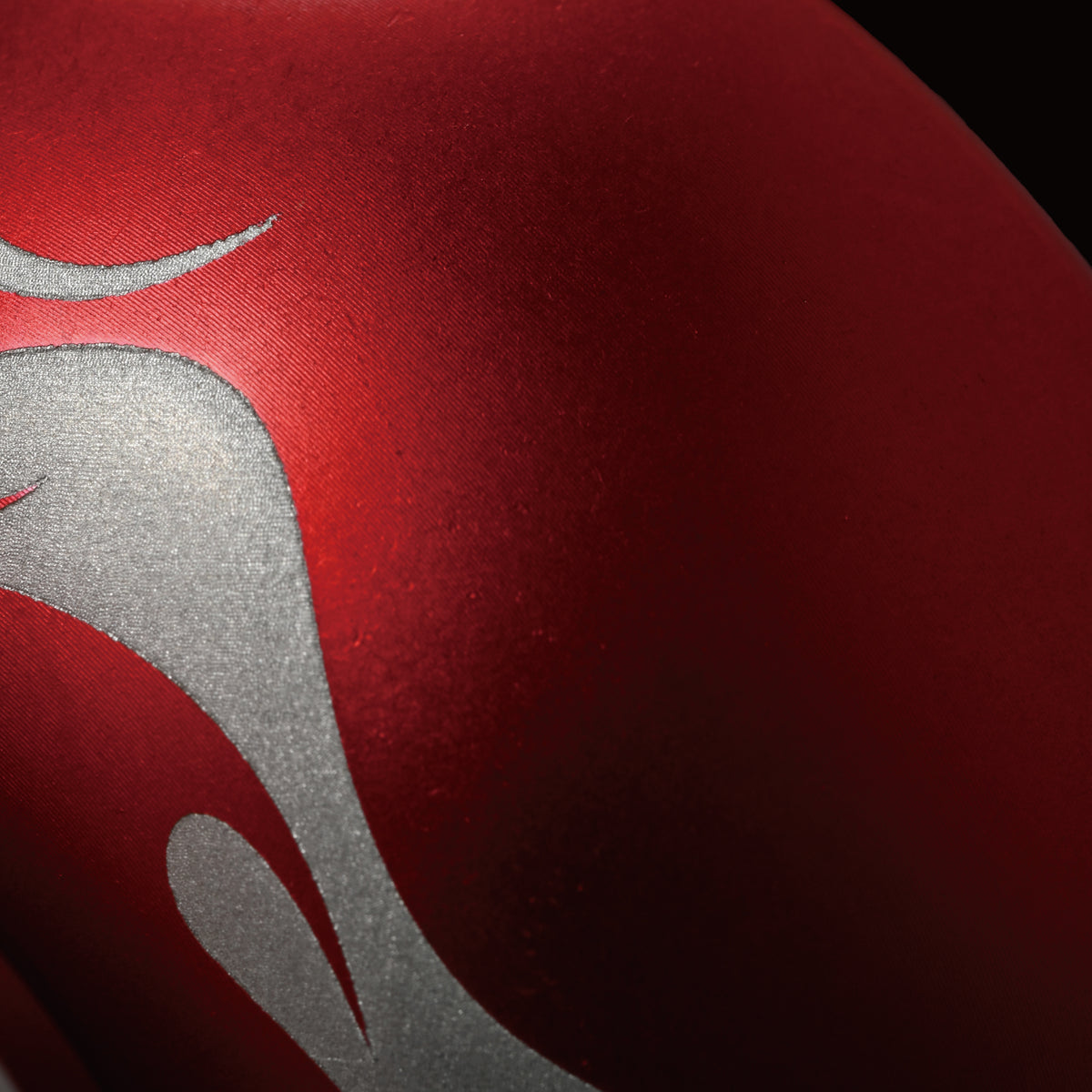
The burning brightness sinks, and the red falls somewhere deeper. Where it settles is close to the depth of wine.
It reads as red only when light hits it; in shadow it comes close to black. The same red — but instead of reaching outward, it looks as though it is holding the heat inside.
The color was not changed.
The form was distilled, so the color was distilled with it.
Just as the same density is packed into a smaller body, the same red is packed into a smaller surface. This deep red is the clearest evidence that pyro has lost nothing of the Pyro.
02/Specifications
Diameter
52.0
mm
Width
44.0
mm
Weight
61
g
Material
Aluminum
Bearing
Double V-shape size D
Responce
Ring pad
