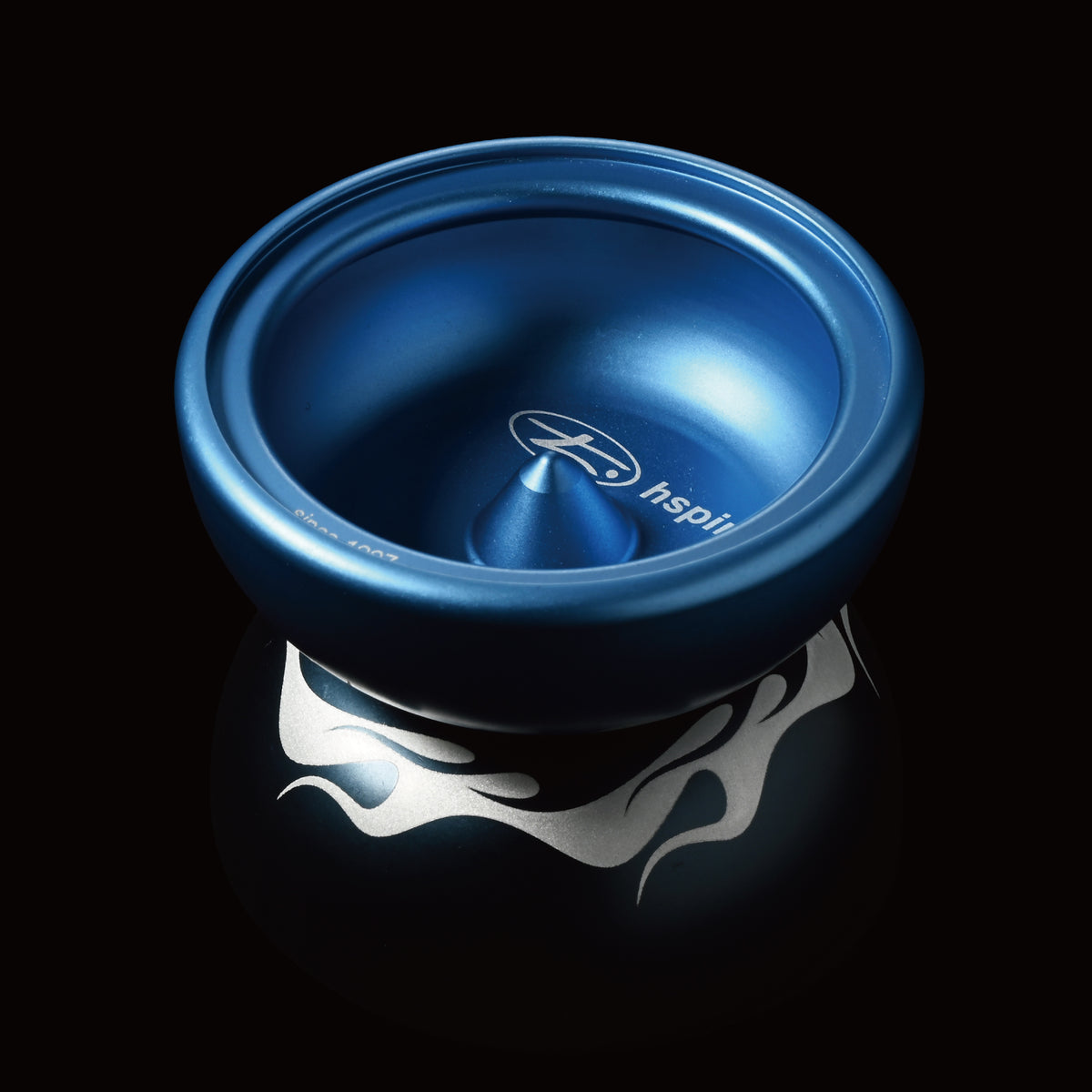
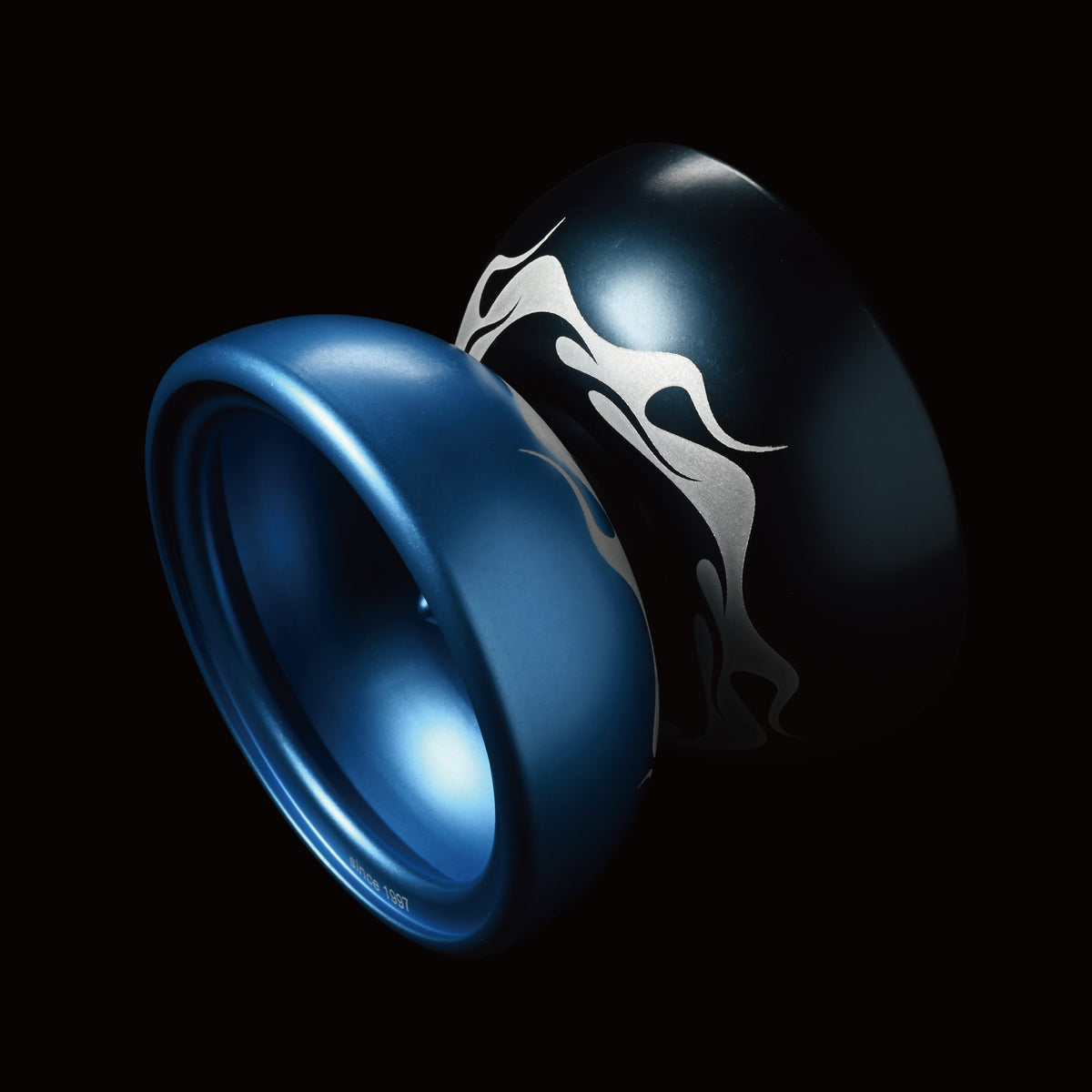
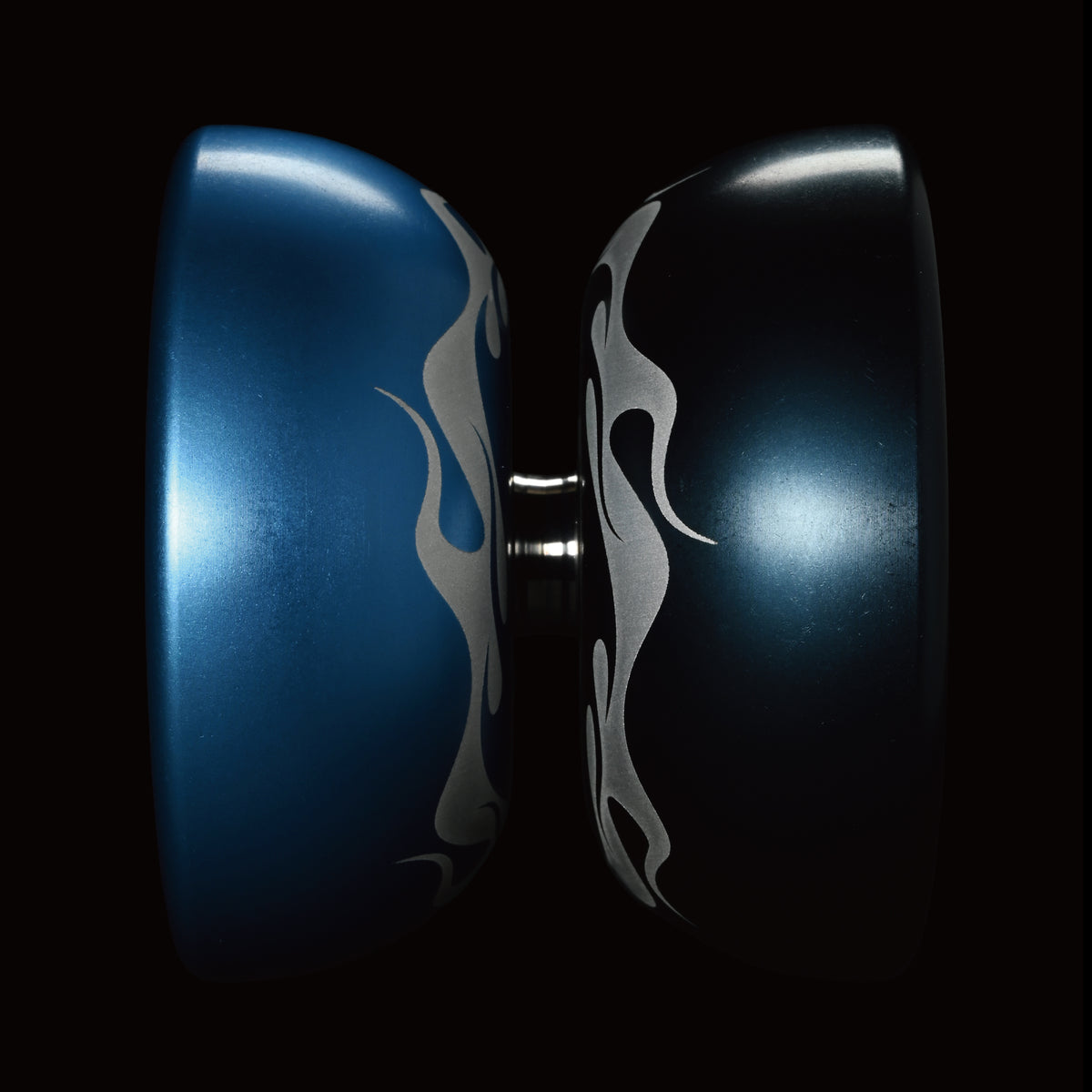
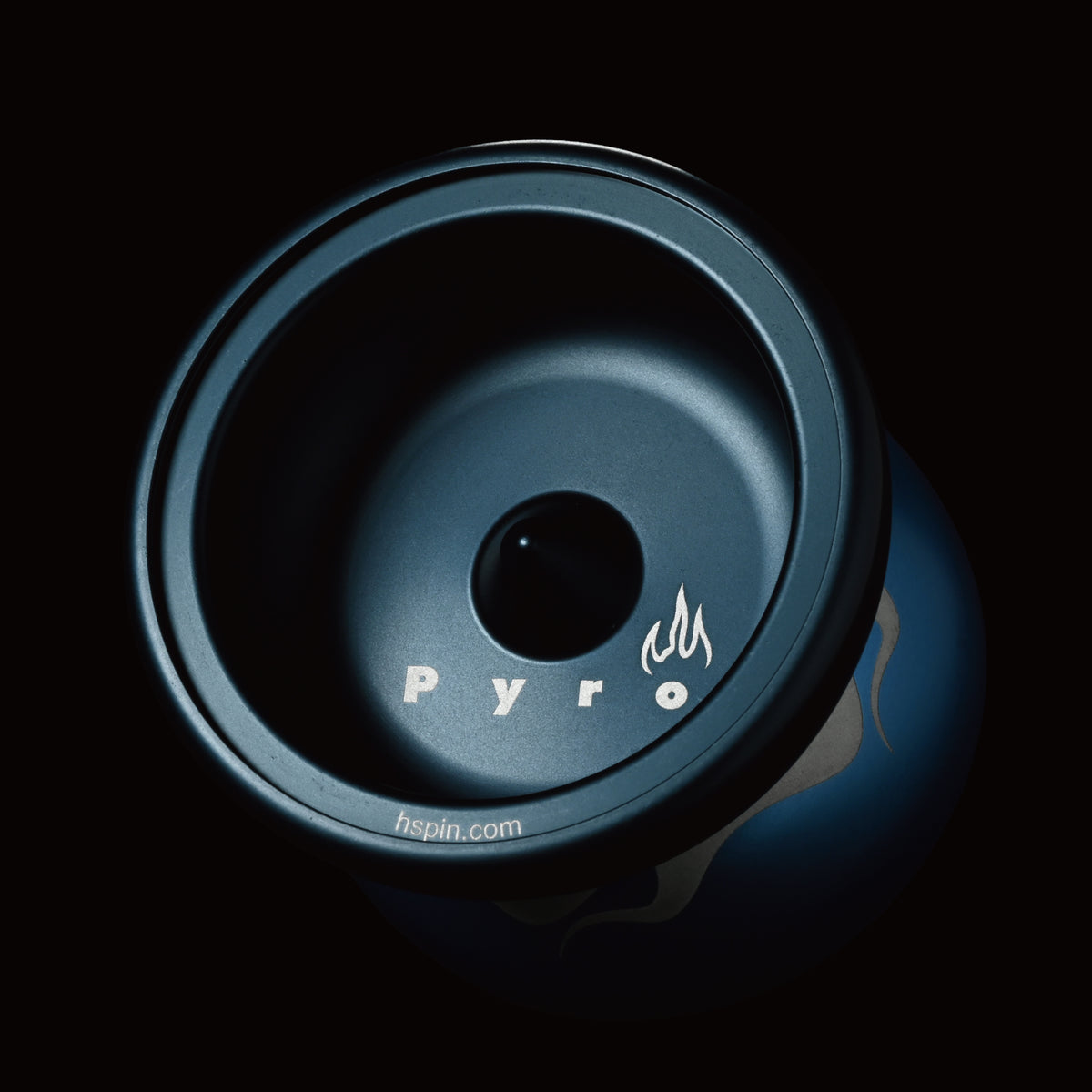
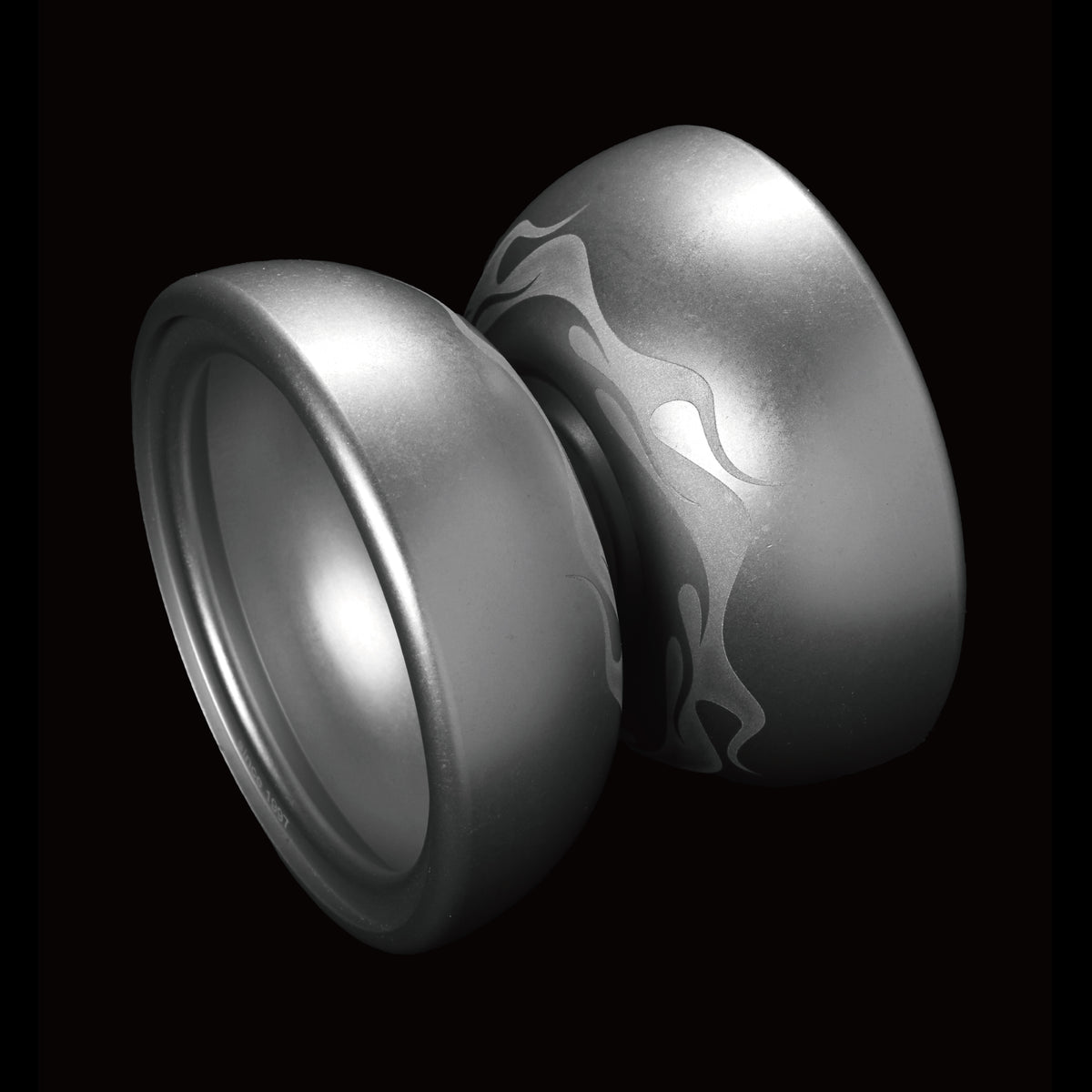
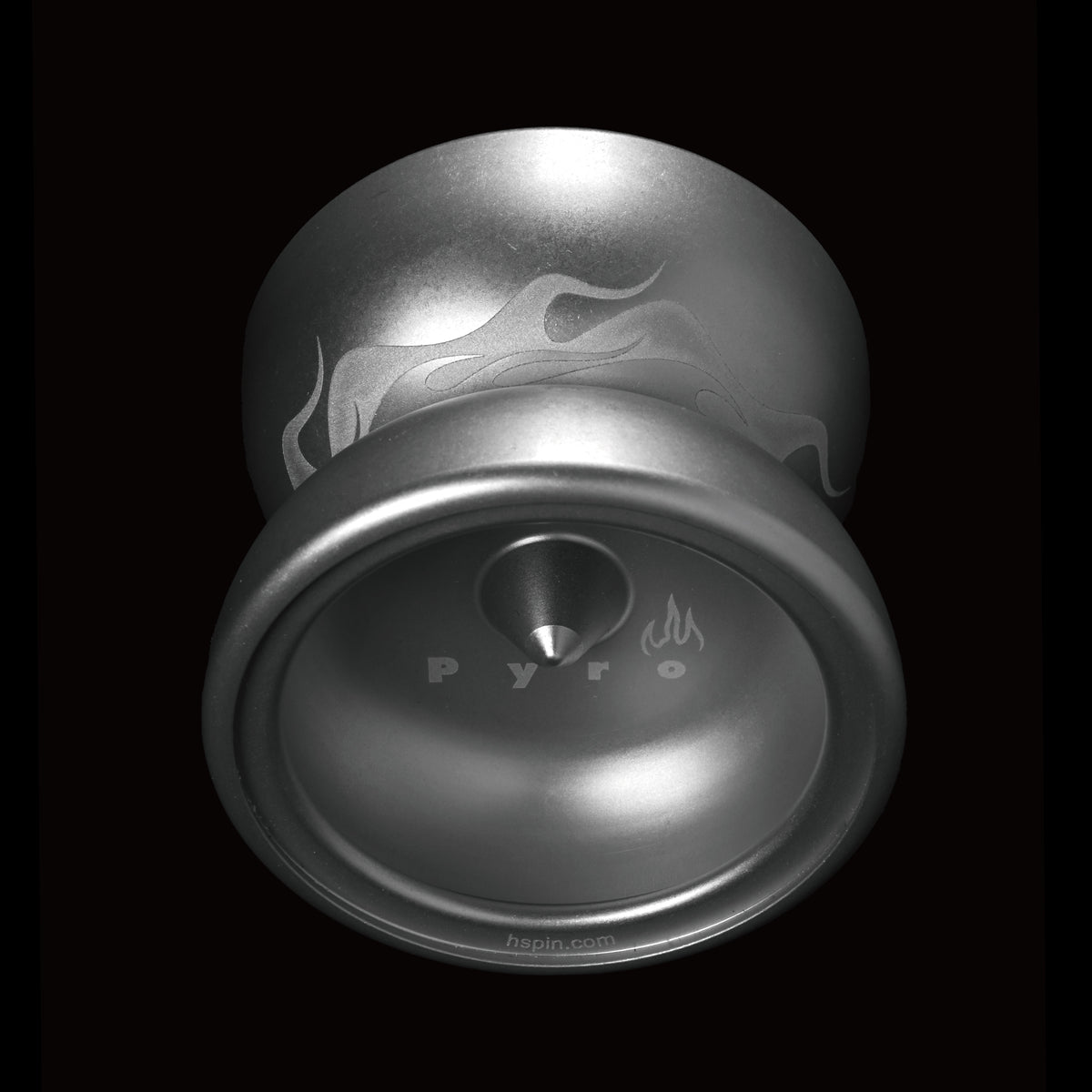
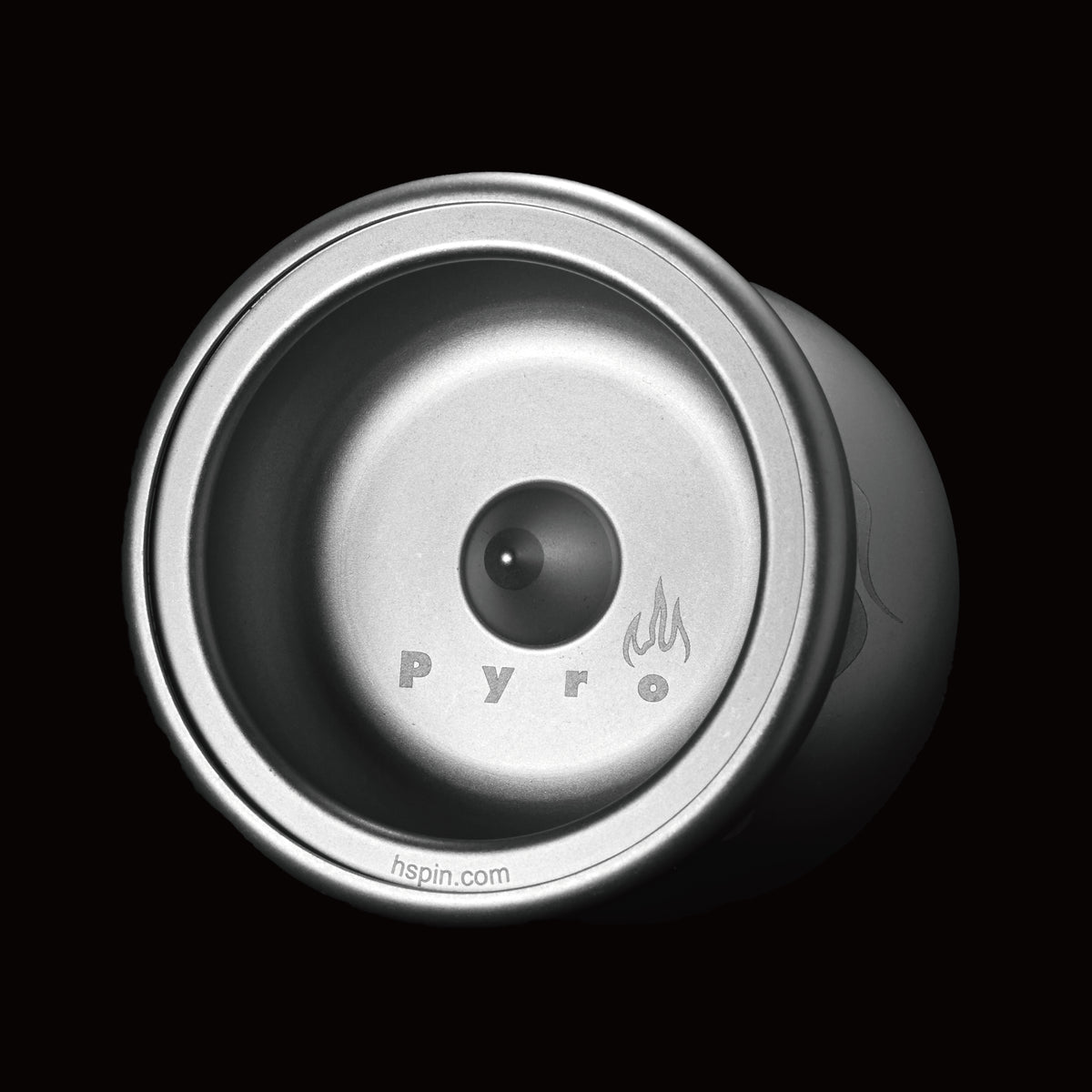
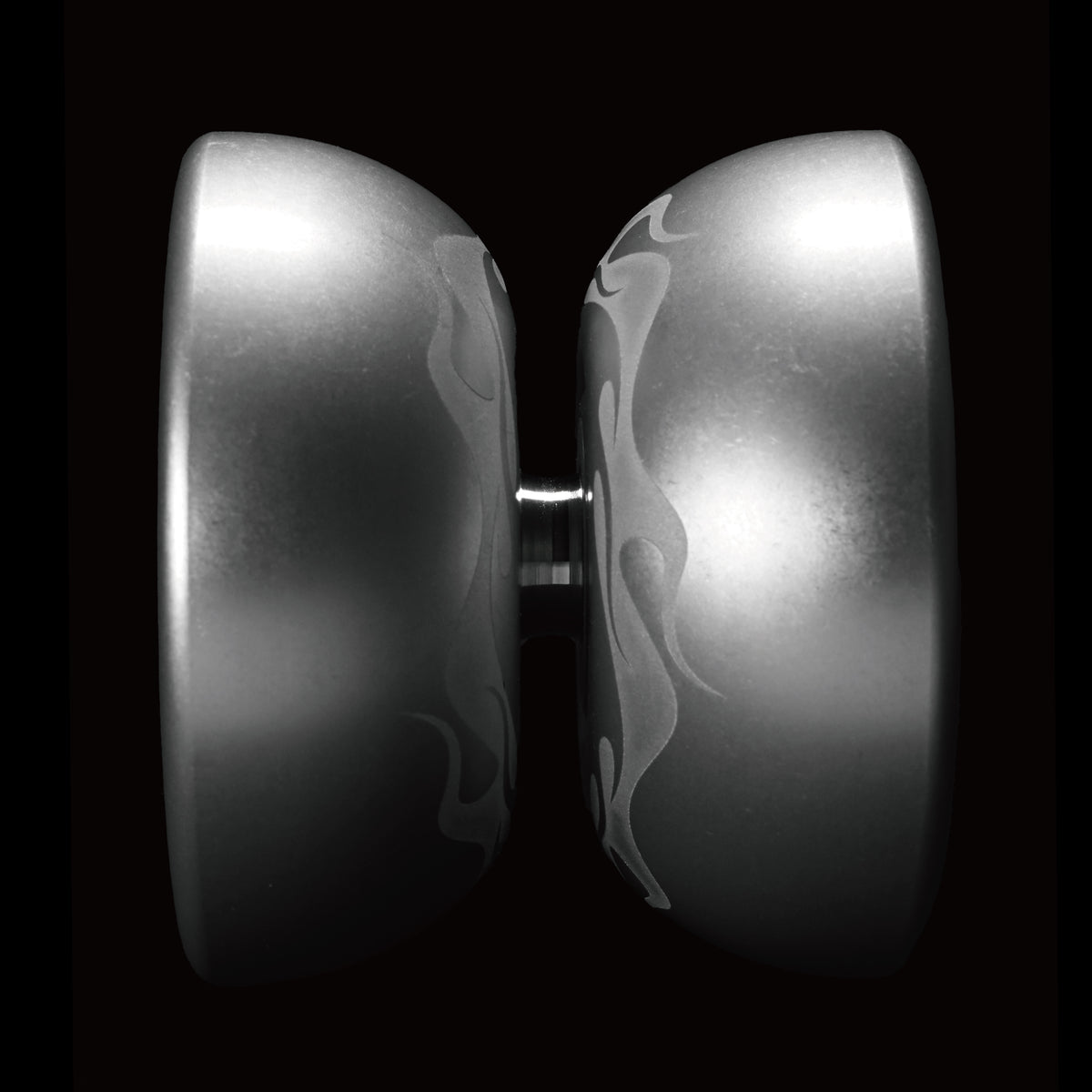
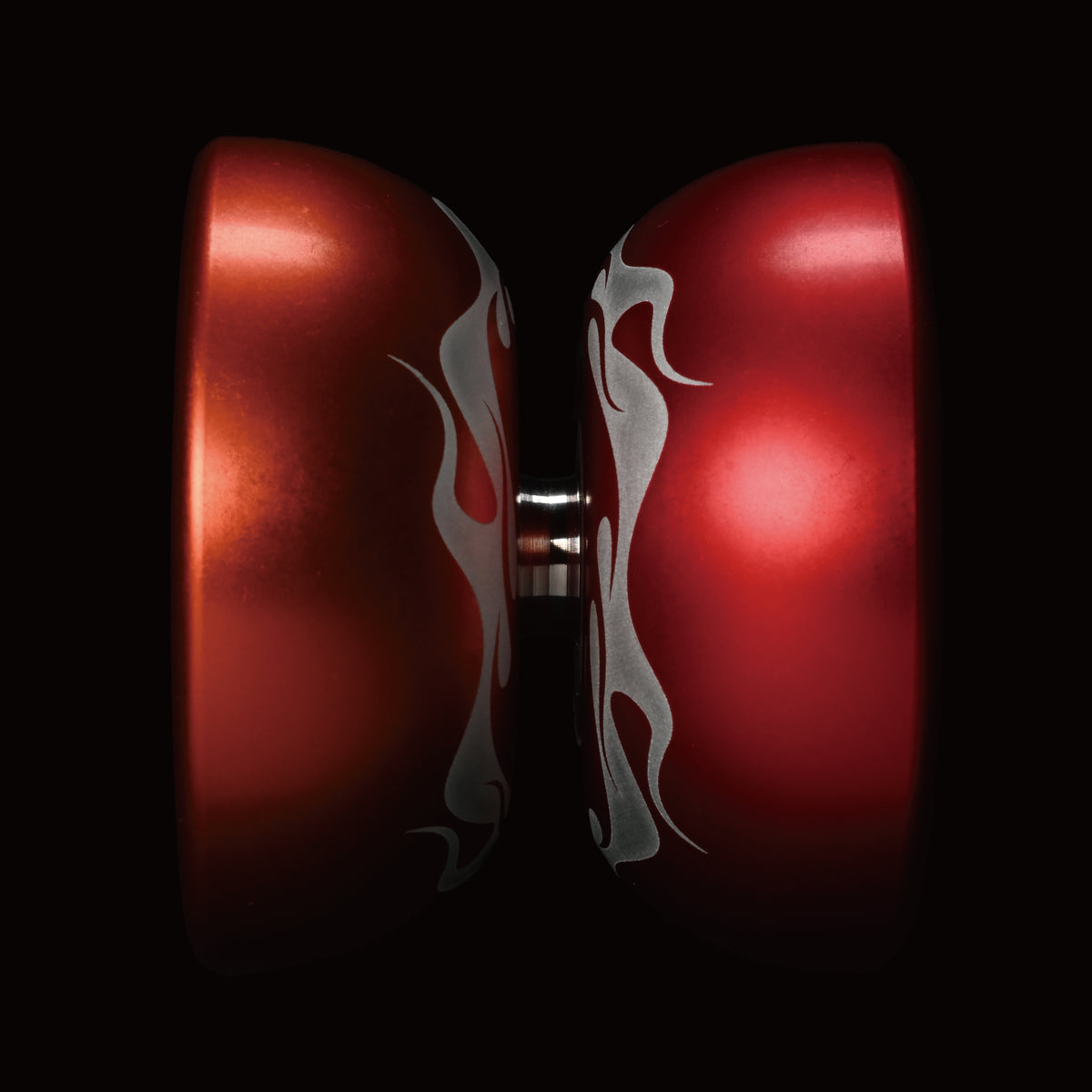
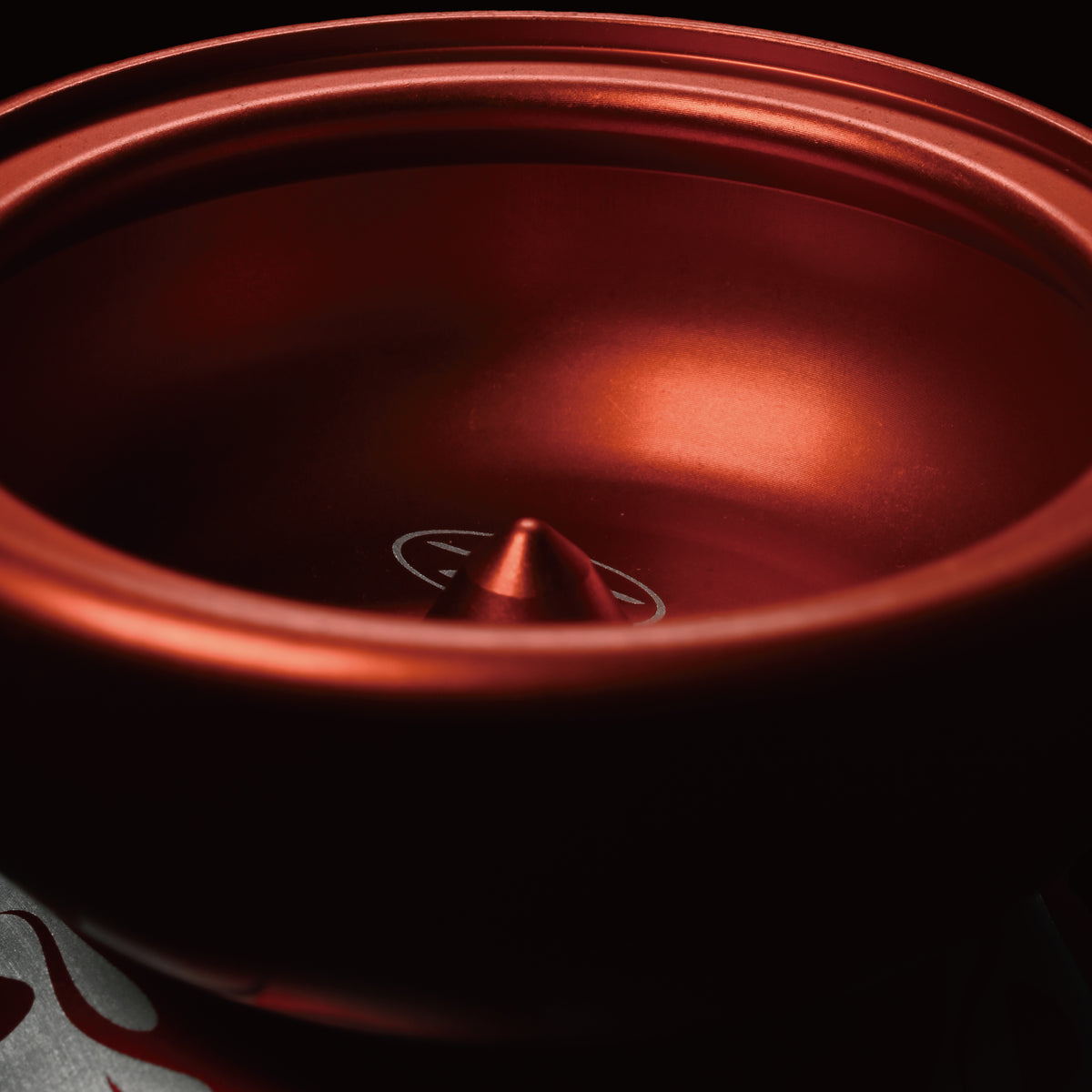
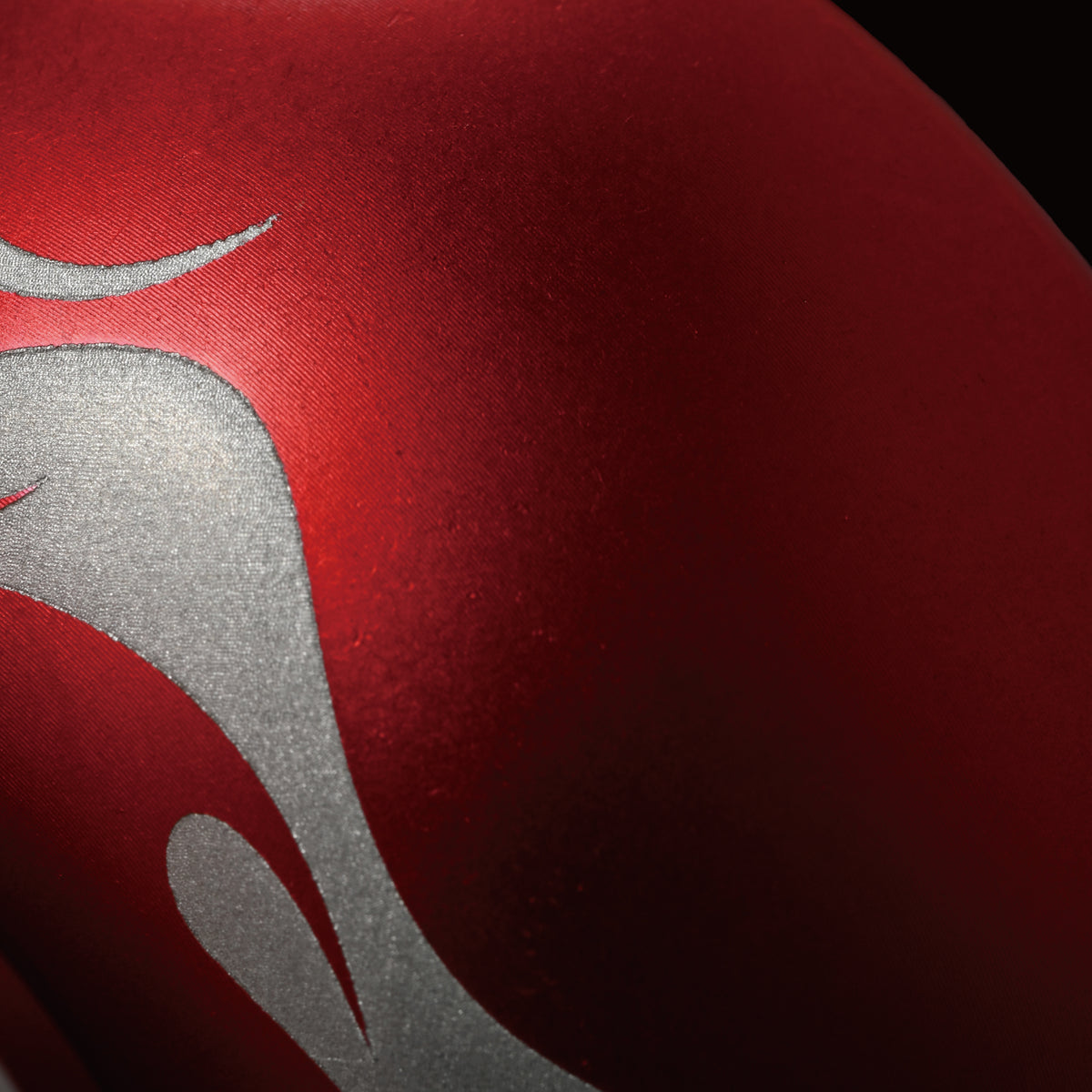
December 2005. In the evolutionary history of the yoyo, this year is etched as a definitive turning point. Today, full metal is the absolute standard material for competitive yoyos. However, rewinding the clock to the mid-2000s reveals a reality entirely different from today's norms.
The competitive scene at the time — especially in the string trick division — was dominated by so-called metal rim yoyos, which featured heavy metal weights mounted on the outer edges of a plastic body. This structure, faithful to the fundamental physics of a yoyo (lighter in the center, heavier on the outside), was one of the optimal solutions given the technology of the era.
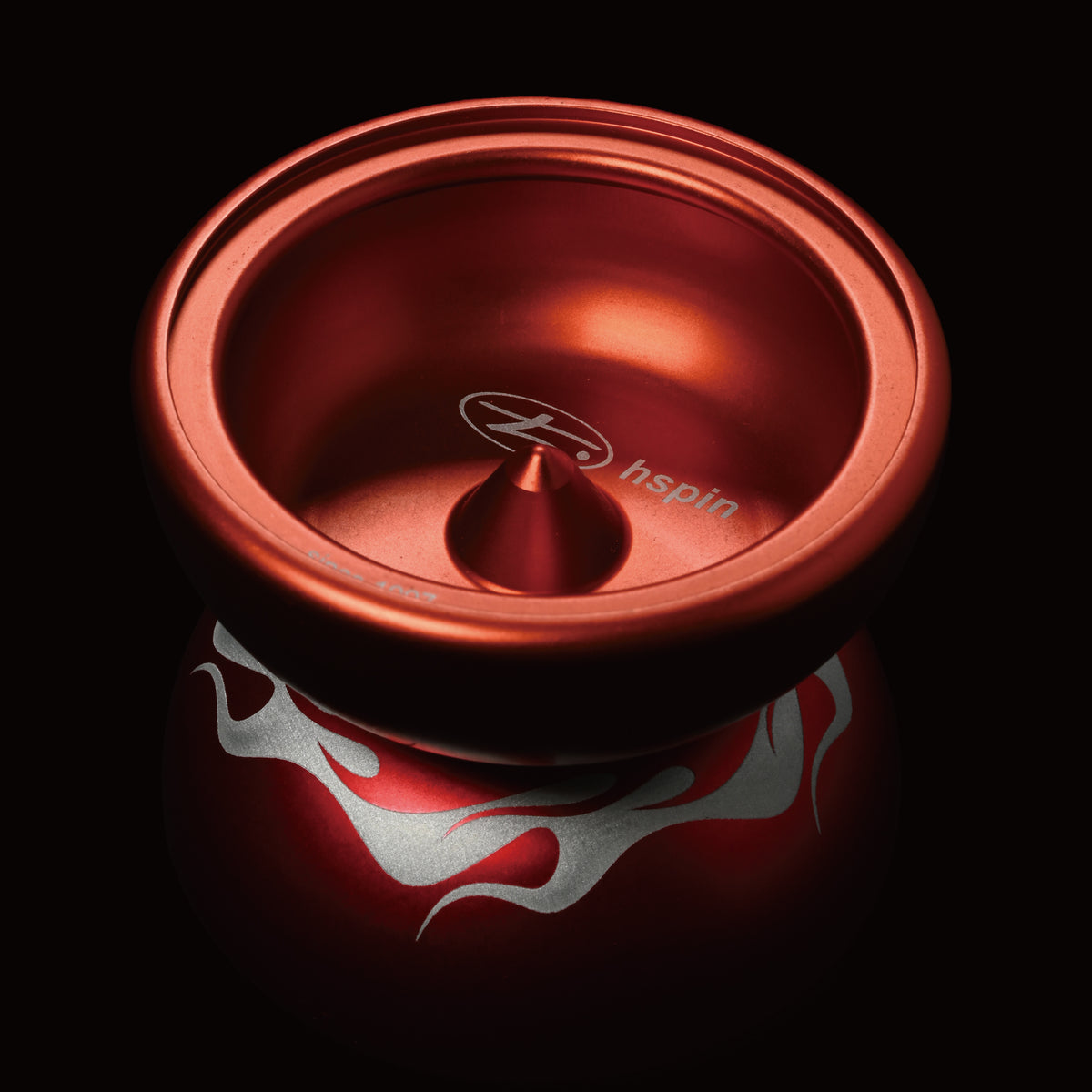
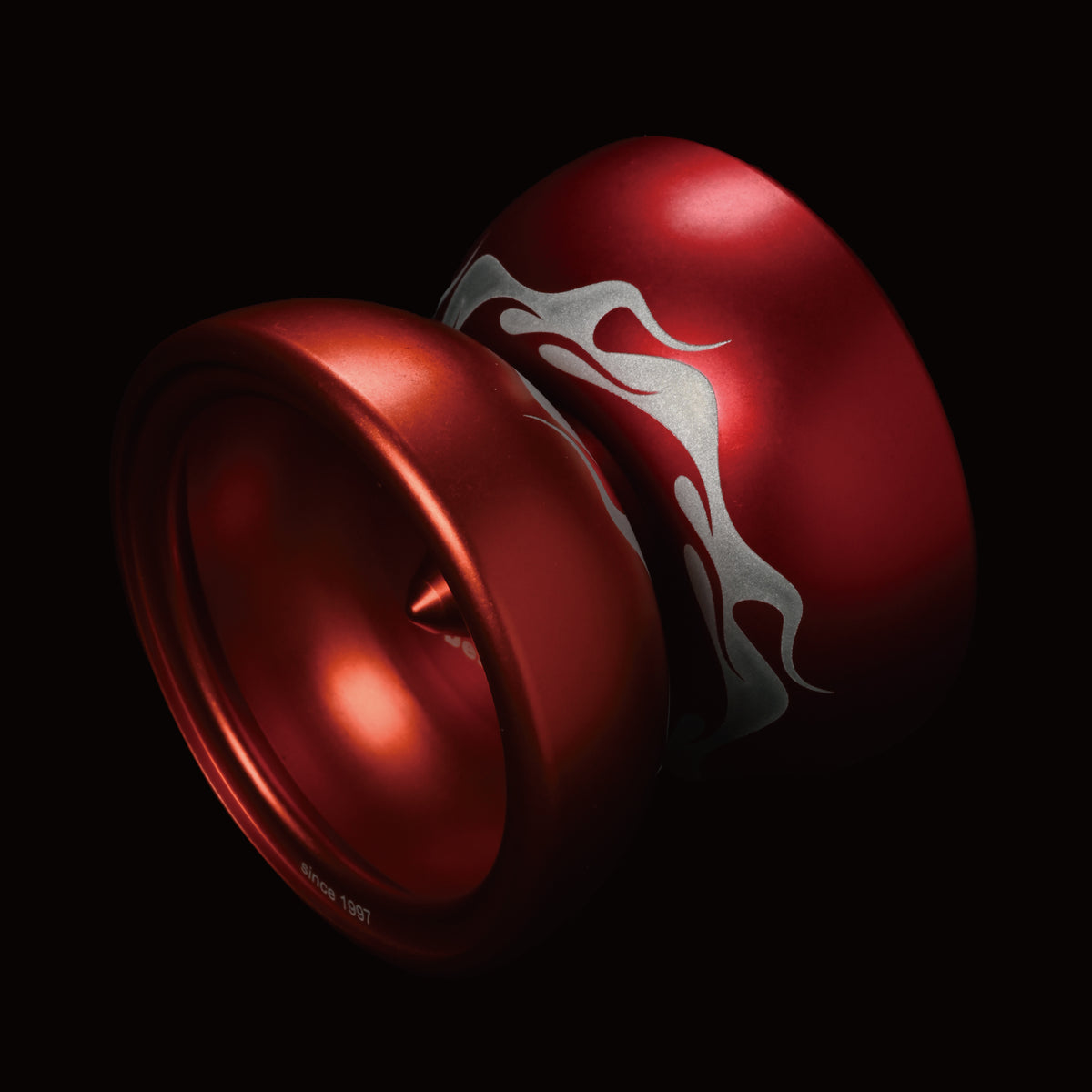
The concept of a full metal yoyo already existed. However, it was still positioned as an expensive, finicky, and experimental product geared towards a small niche of hardcore enthusiasts. With the metal processing precision of the time, machined full metal yoyos were prone to vibe and tended to be heavy. Response system technology was also still in its infancy; while they held a certain romantic appeal, the consensus among top players was that full metal yoyos were simply too risky for actual competition.
Even though everyone sensed that "the era of full metal might come someday," the definitive yoyo to force that door open did not yet exist anywhere in the world.