
DECO
OUTSIDE IN by
DECONSTRUCTION
Structure, Rebuilt


Deconstruction means taking apart the assumptions that make something what it is.
Whenever we think about something, we unconsciously reach for paired frameworks: inside and outside, primary and secondary, center and periphery. We treat them as fixed.
Those frameworks are convenient — they let us stop thinking. The body is the body, the cap is the cap. When roles are fixed, there's no need to hesitate.
But is the line between inside and outside really fixed?
Deconstruction flips that relationship to reveal that inside and outside were never as self-evident as we assumed. The goal isn't to destroy — it's to recognize that what we took for granted was never a given.
If nothing remains after taking something apart, that's just destruction. What makes deconstruction interesting is that something is found on the other side of the breakdown. And it wears a different shape than before.
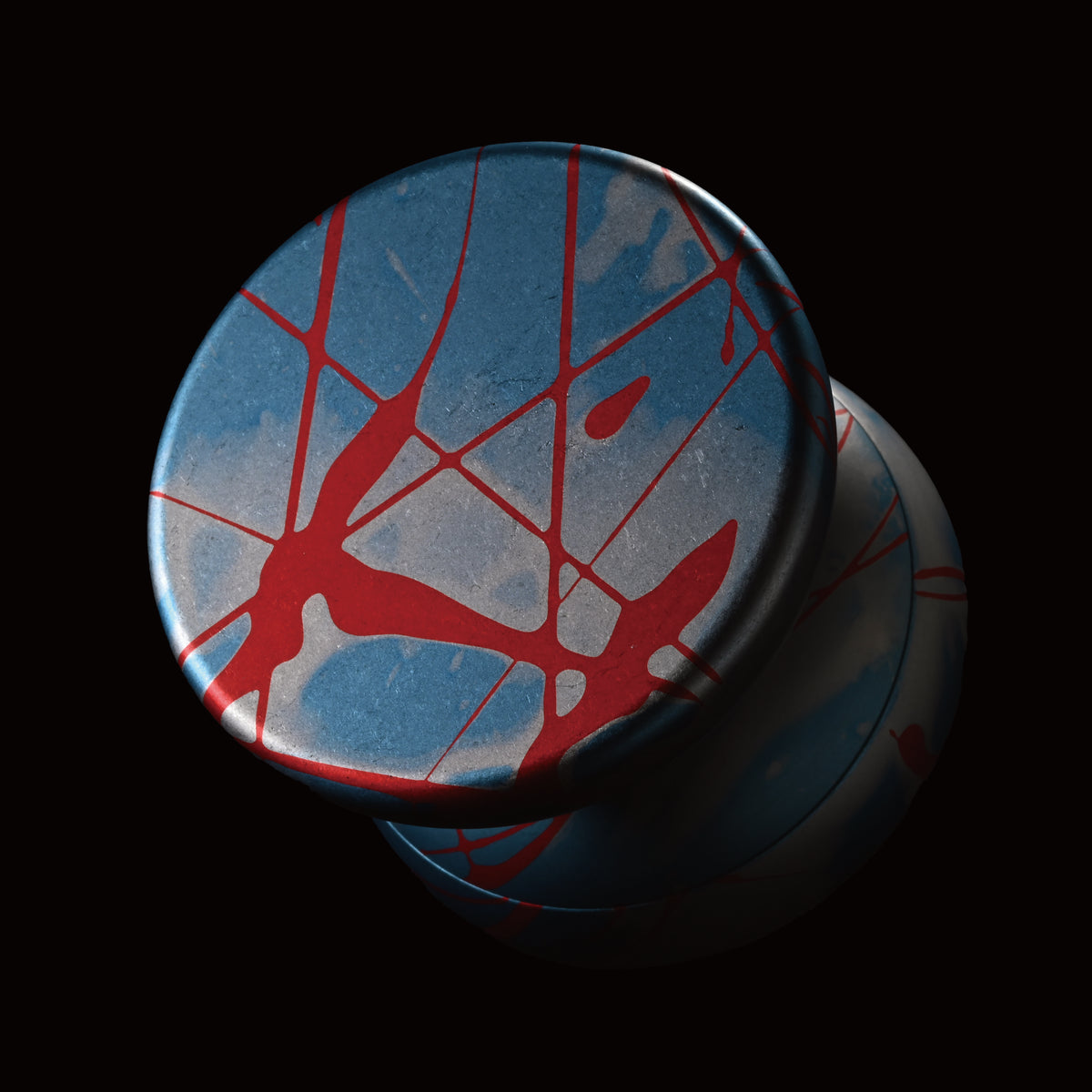
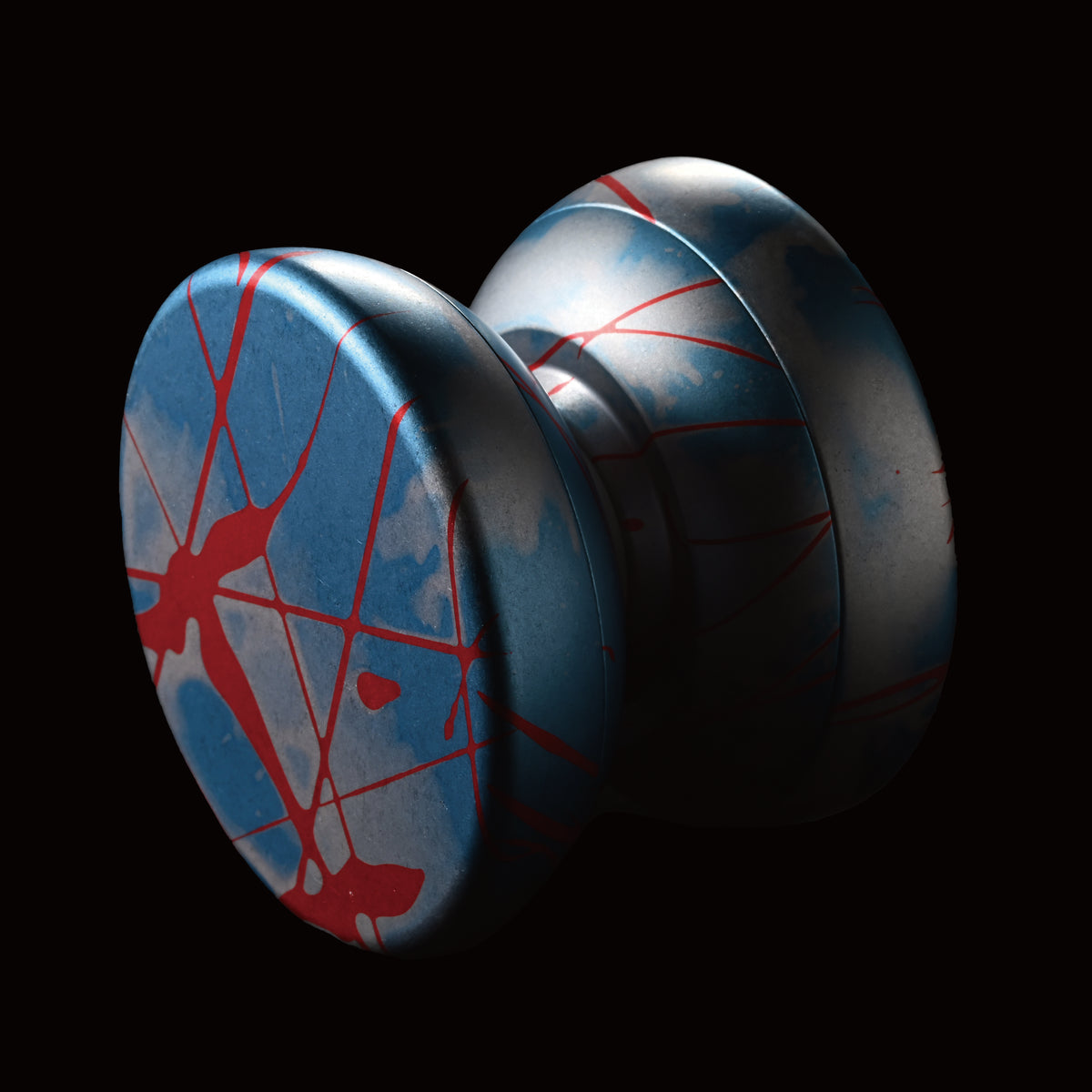
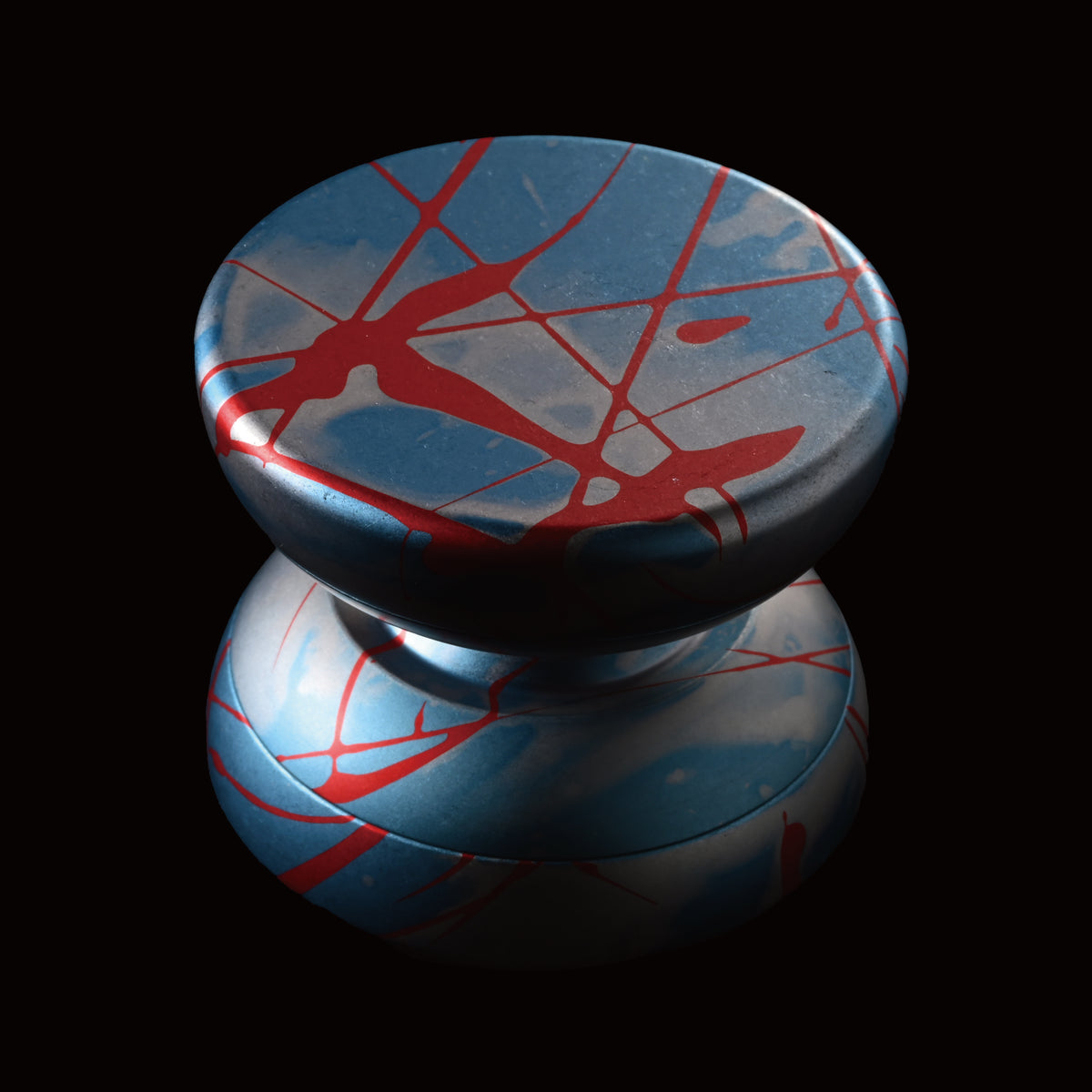
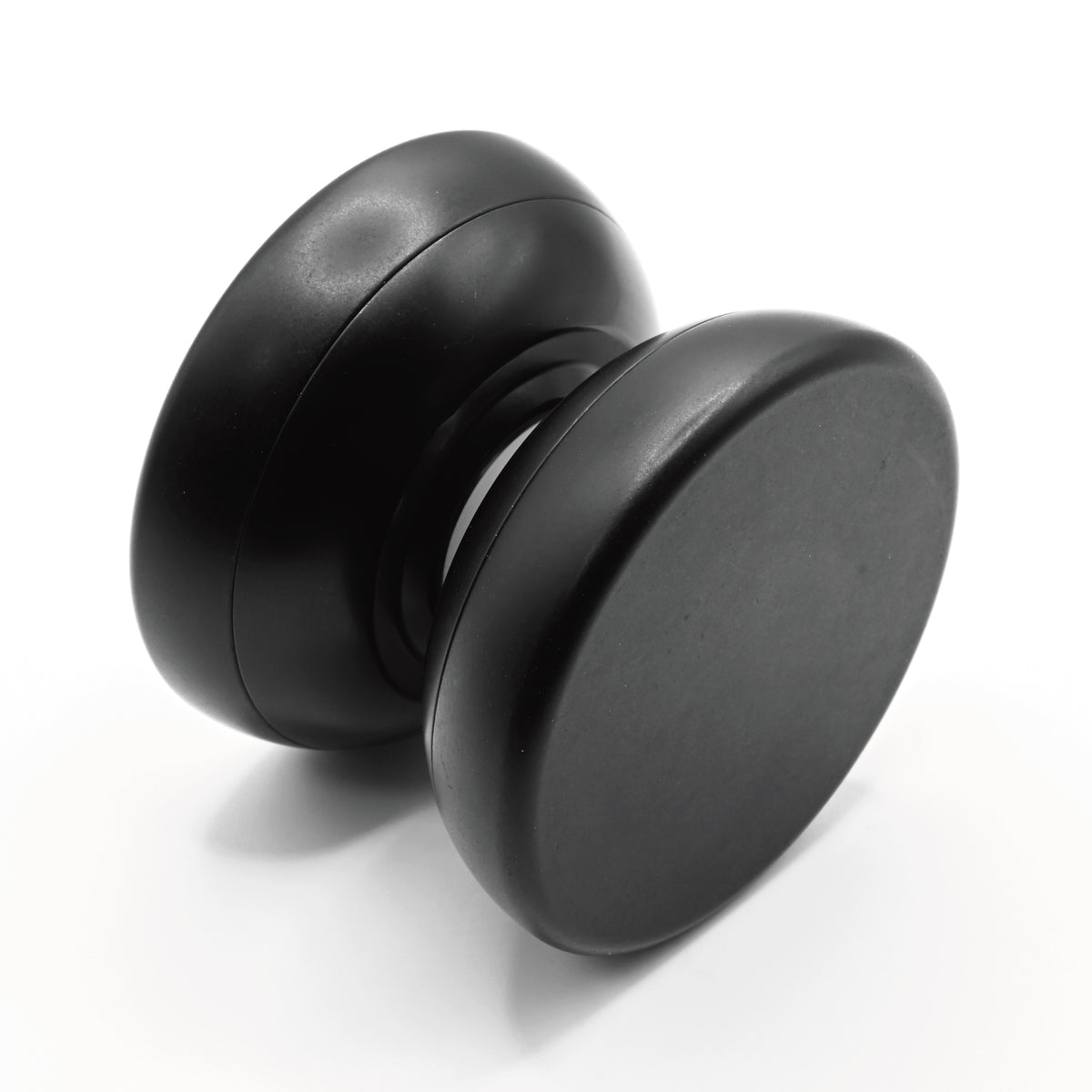
DECO is what happens when we try this on a yoyo, as an art piece.
But it couldn't stop at concept. It had to work as an object you could hold, take apart, and actually throw.
Two Assumptions. Deconstcuted.


1. Structural Reversal, Body and Cap.
Here's how a typical hollow-body yoyo is built:
- The inner half, closest to the axle, is the body. This is where the axle, bearing, and response are mounted — everything the yoyo needs to spin lives here.
- The cap attaches from outside, like a lid. It shapes the look, adjusts the weight, and covers the interior.
In other words, the body is primary and the cap is secondary. The yoyo spins on the body alone; take the cap off and the function stays intact. The cap, in the end, was always just an accessory to the body. Even the language reflects this — body means “body,” cap means “hat.” A body exists, and a hat sits on top of it. Never the reverse. This hierarchy went unquestioned throughout the yoyo world for years. Everyone simply assumed that's what a hollow-body structure was.
In DECO, this relationship is reversed.
- The inner half — what should have been the body — now functions as the cap.
- The outer half — what should have been the cap — now functions as the body.
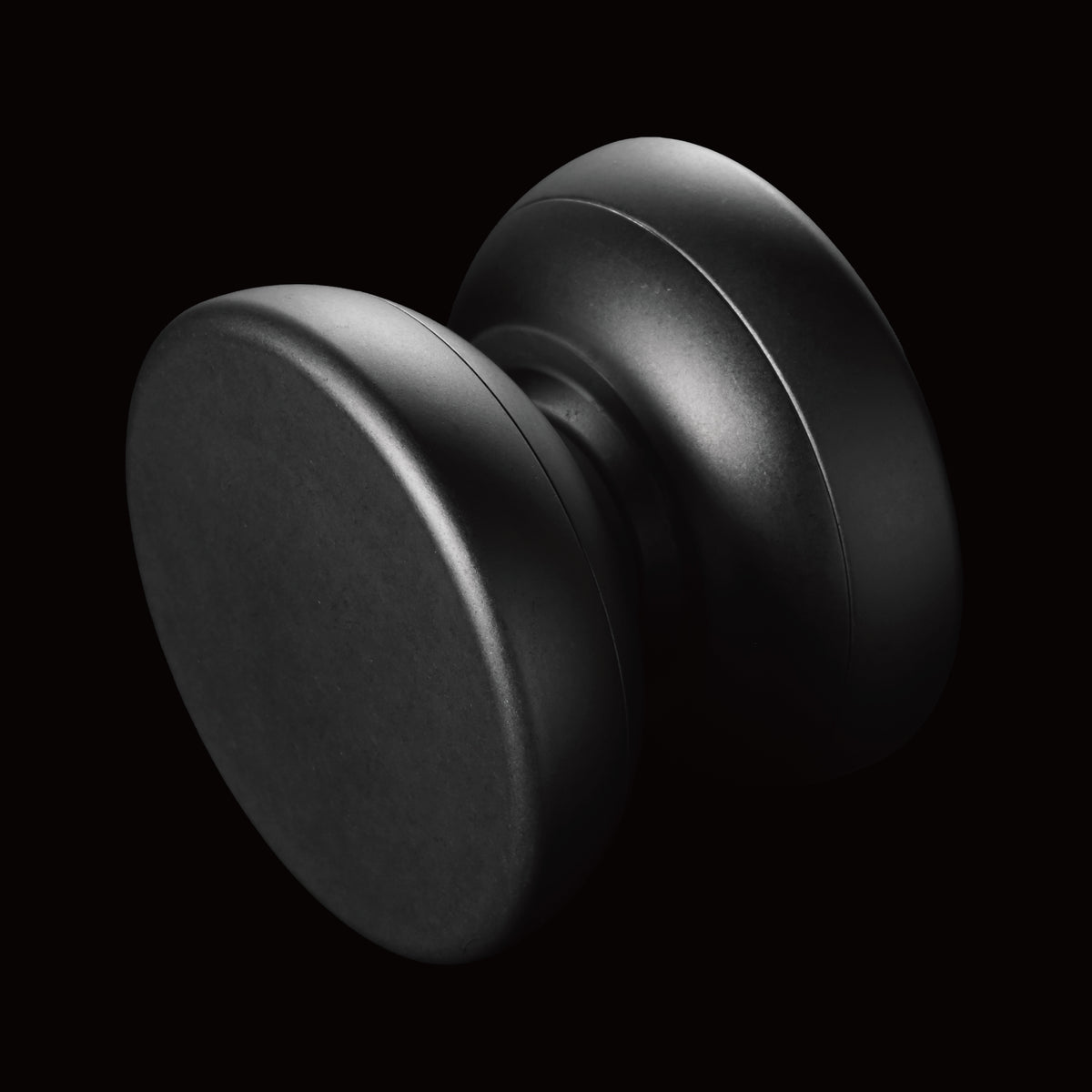
The large surface visible from outside is now the main body, and the inner piece is what sits beneath it, capped.
Primary became secondary. Secondary became primary.
Take it apart and the meaning becomes clear. Looking at the parts left in your hand, you can't immediately say which one deserves to be called the “main body.”
But pick it up, and the story gets more complicated.
The inner piece, though treated as the cap, is still in contact with the response pad and bearing. It remains indispensable to the yoyo functioning as a yoyo.
The outer piece, meanwhile, though treated as the body, still carries the role of shaping the yoyo's appearance.
In DECO, then, both parts are simultaneously primary and secondary.
A simple reversal would just create a new hierarchy. That isn't what DECO does. It dismantles the framework of primary and secondary itself.
Anyone who takes it apart is left with the question: what is this actually made of? Which part is the main body, and which is the accessory?
There is no clear answer.
That's exactly what this yoyo was built to express.


2. Inside and Outside, OUTSIDE IN
Normally, the most intricate part of a product sits where it can be seen. That's how a product shows its value. Intricate machining, beautiful surfaces — it's natural to think they only mean something if they're visible. DECO does the opposite. Its most intricate structure sits somewhere you can never see from outside. From the exterior, it looks like it has nothing to say. It's placed there not to be seen, but to work.


Outside — Simple, Beautiful Curve
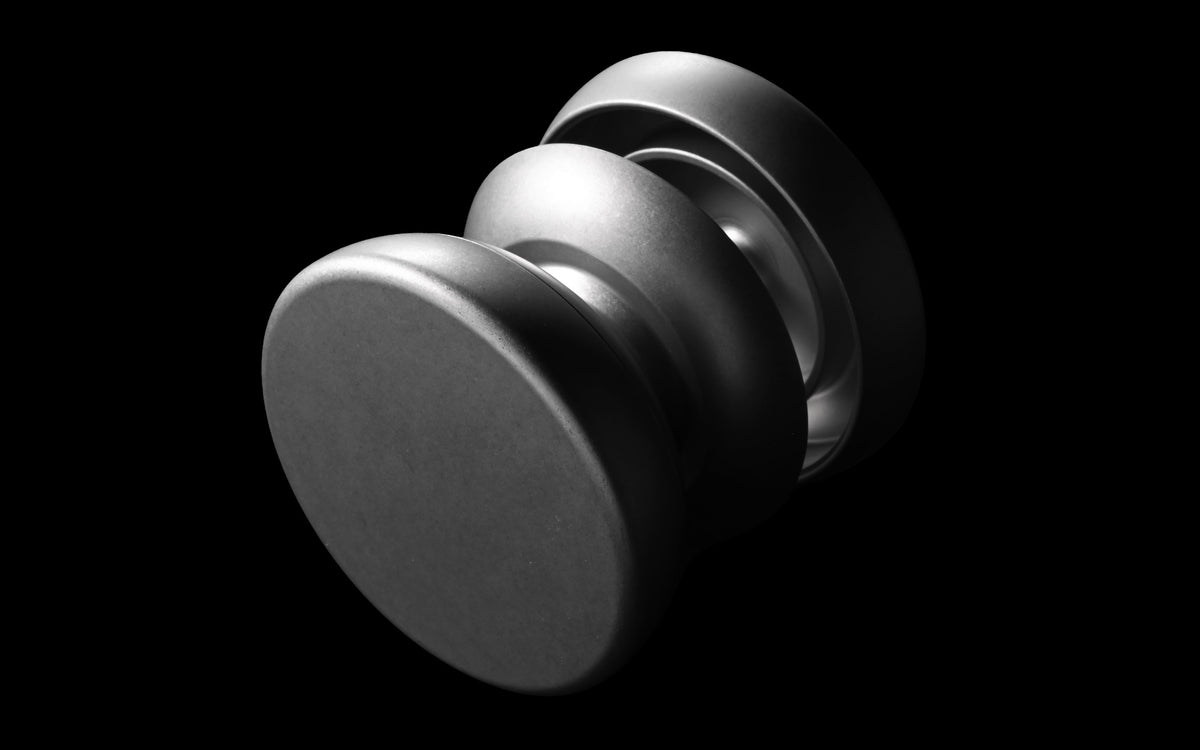
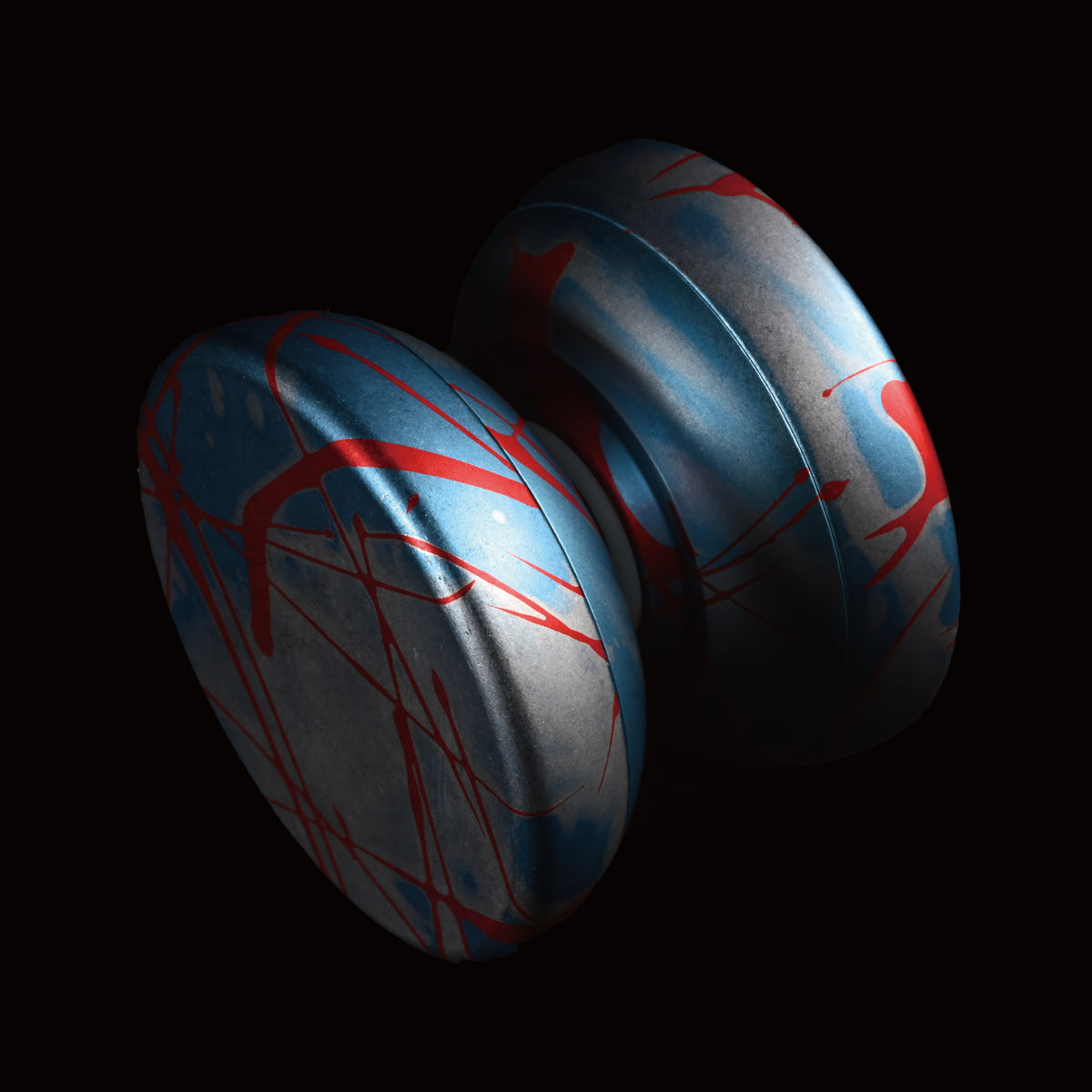
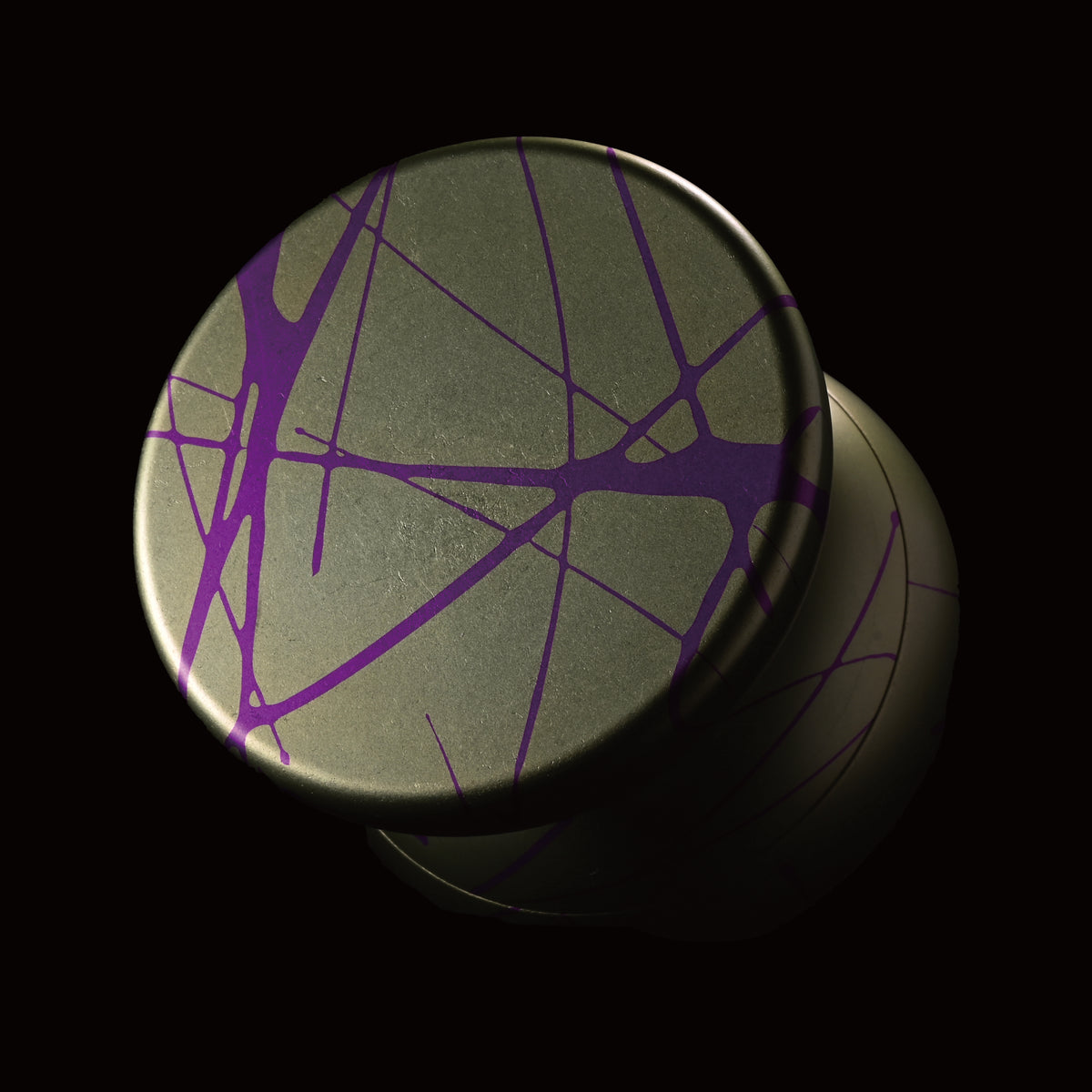
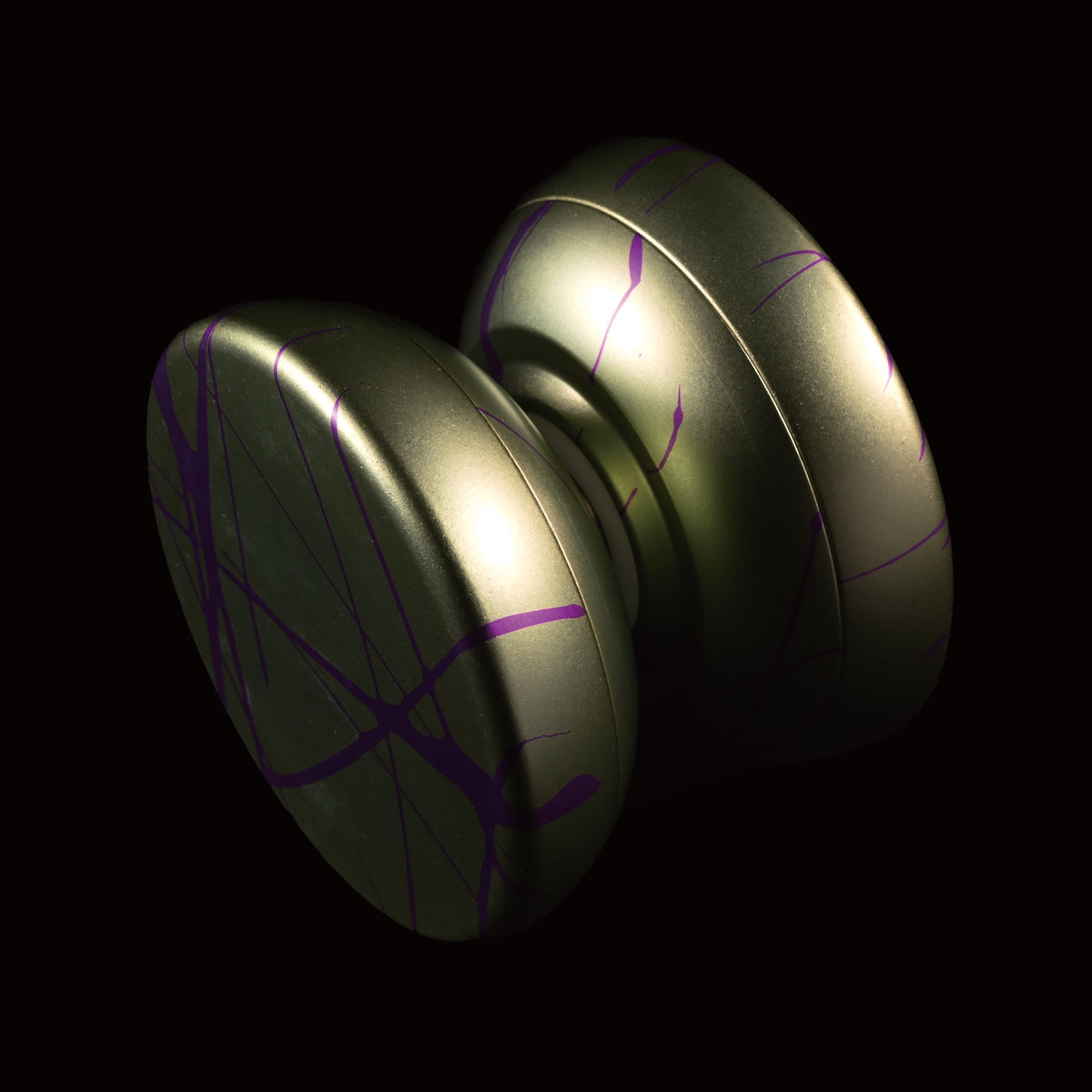
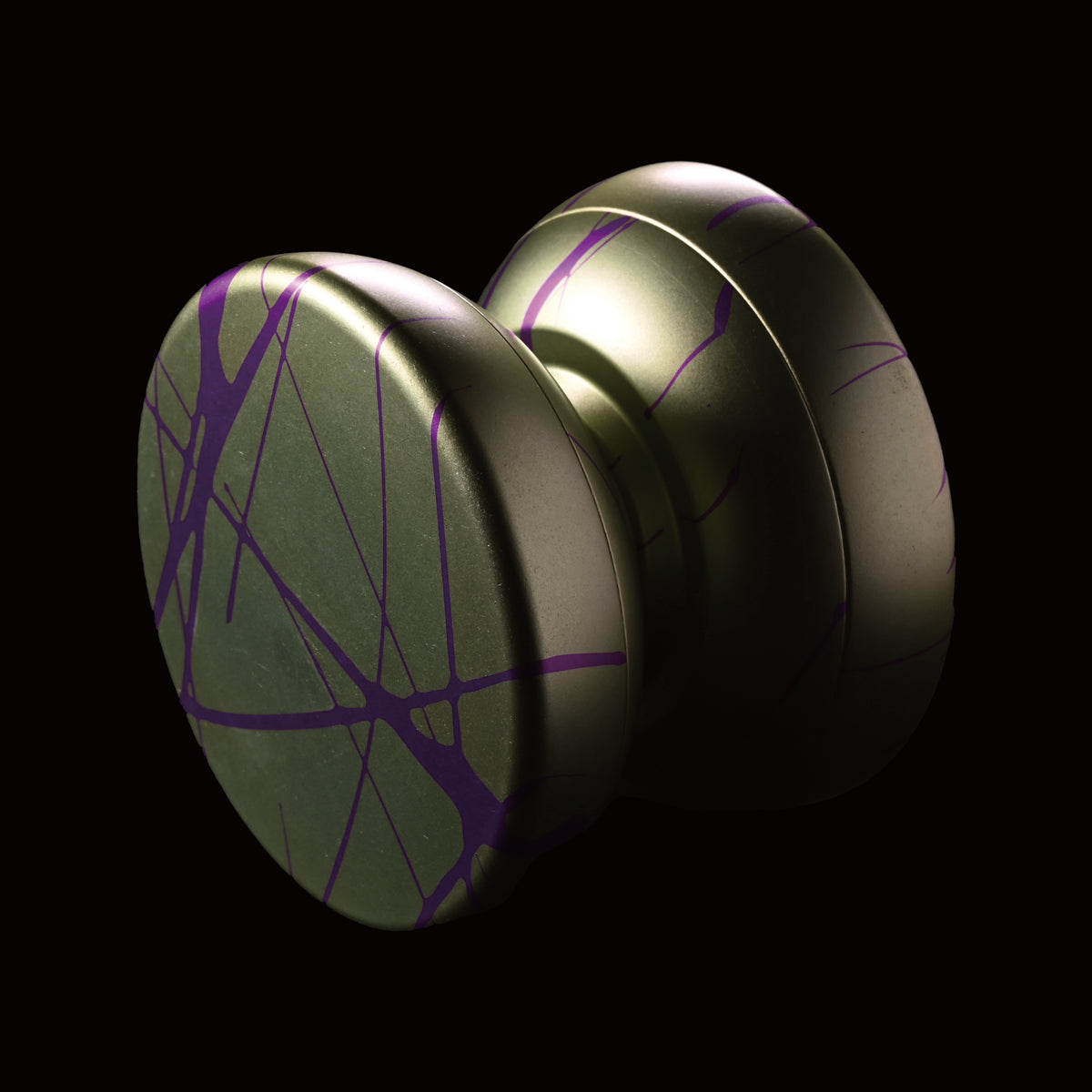
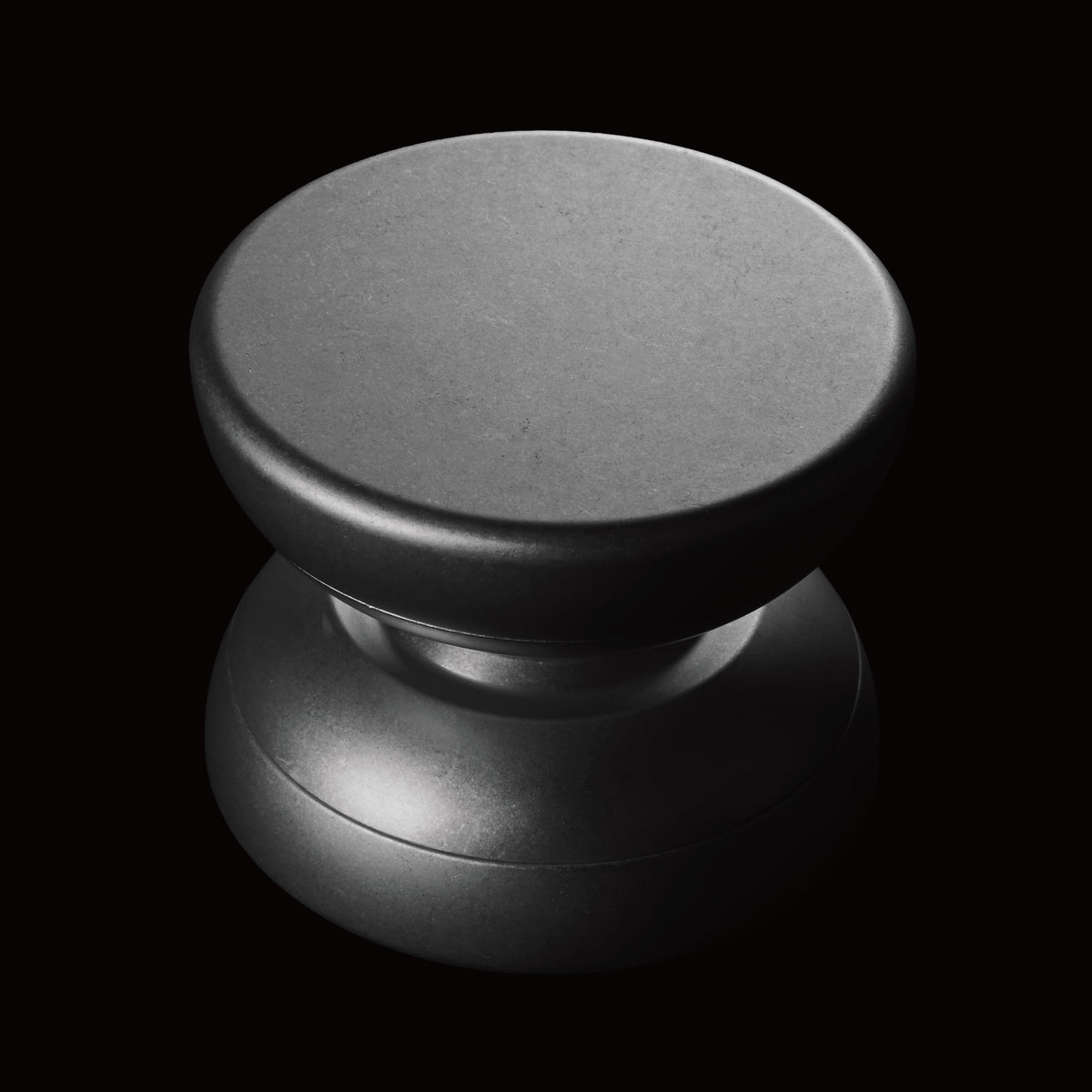
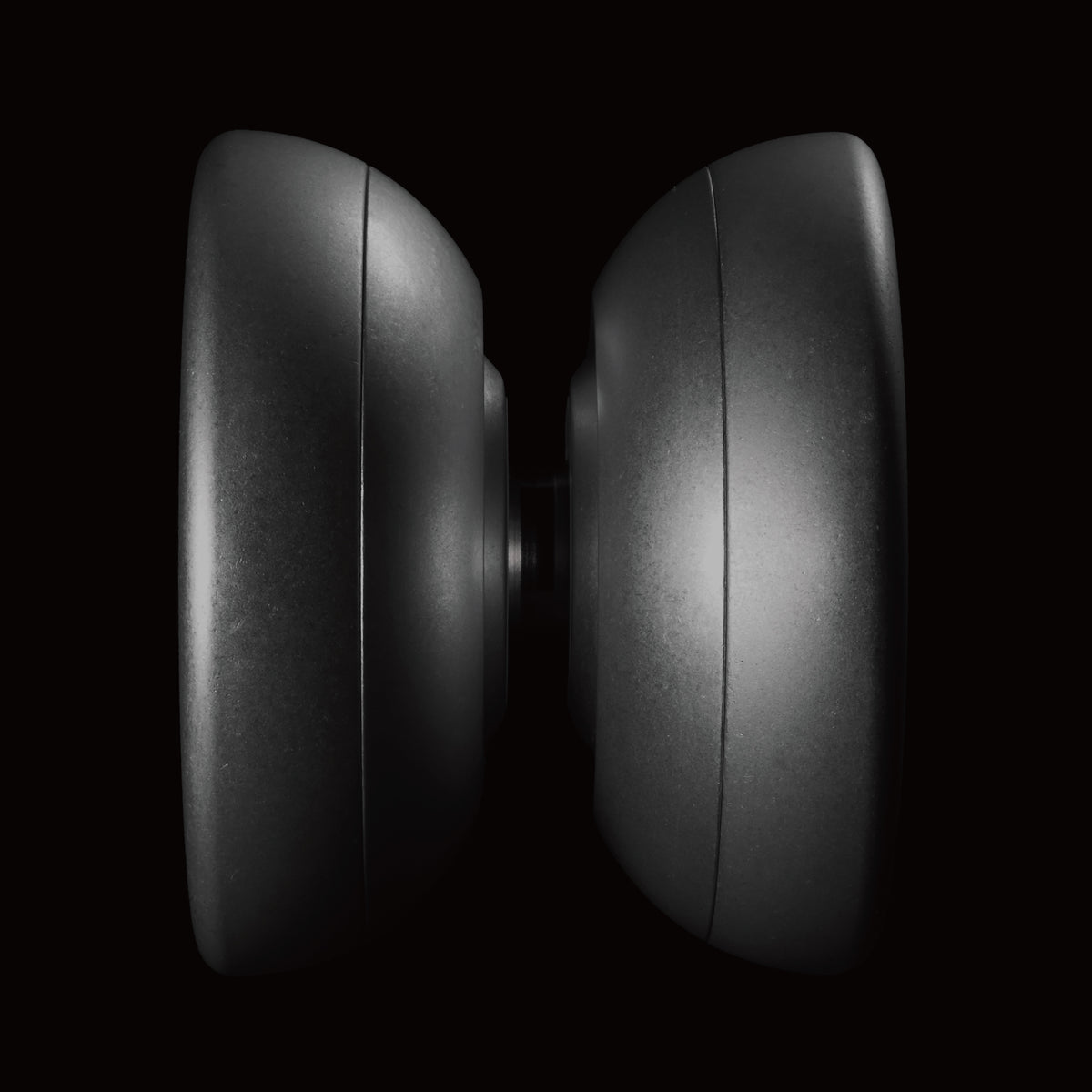
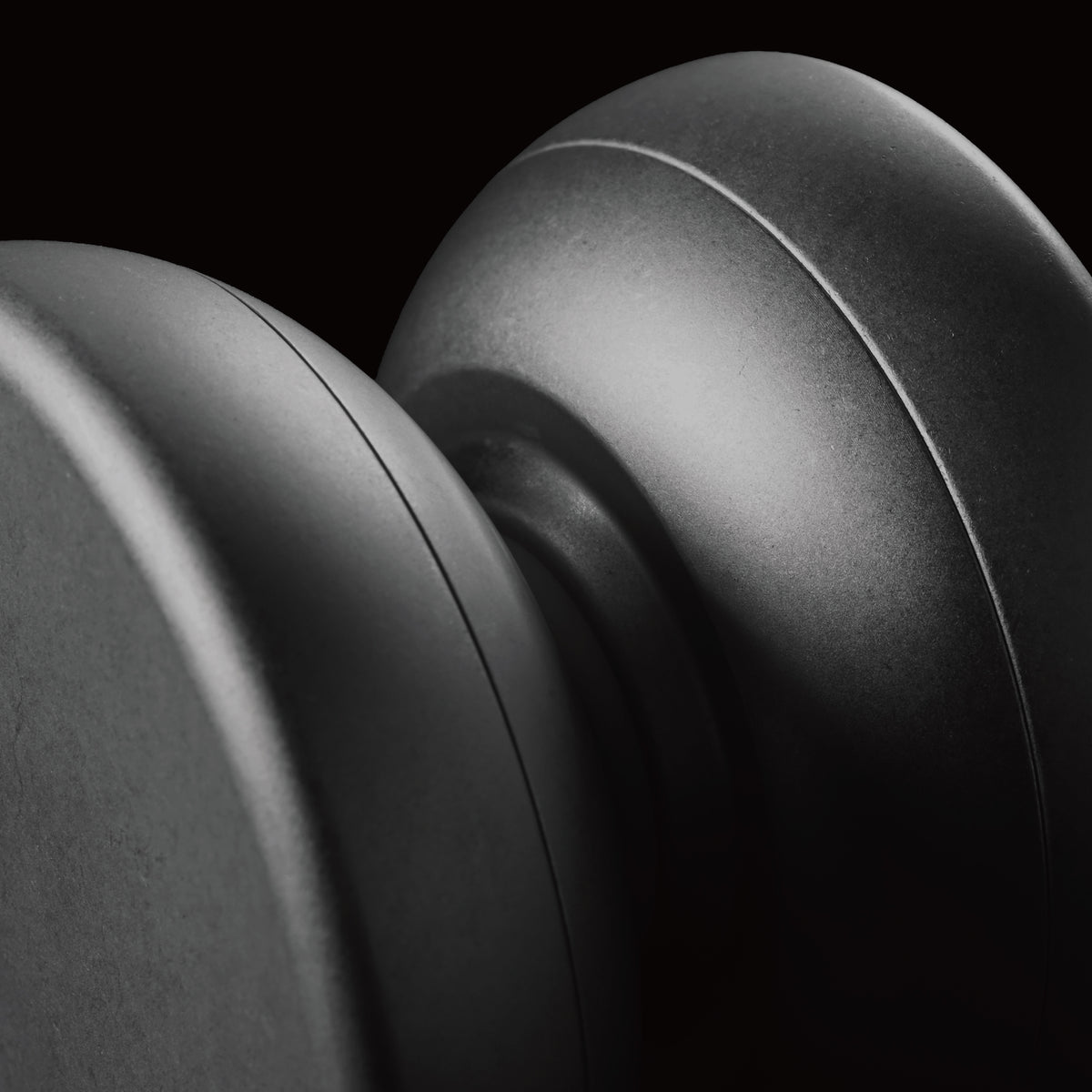
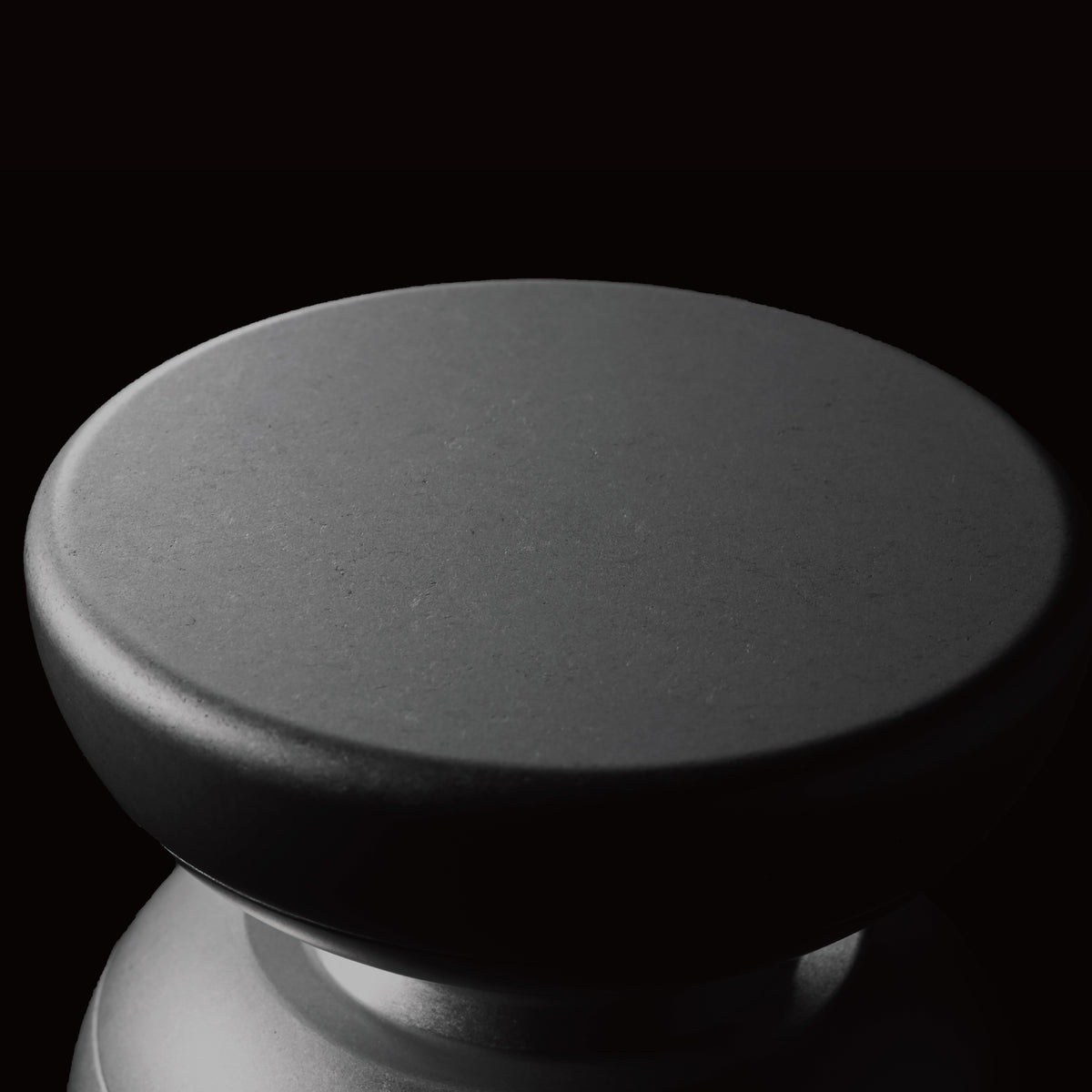
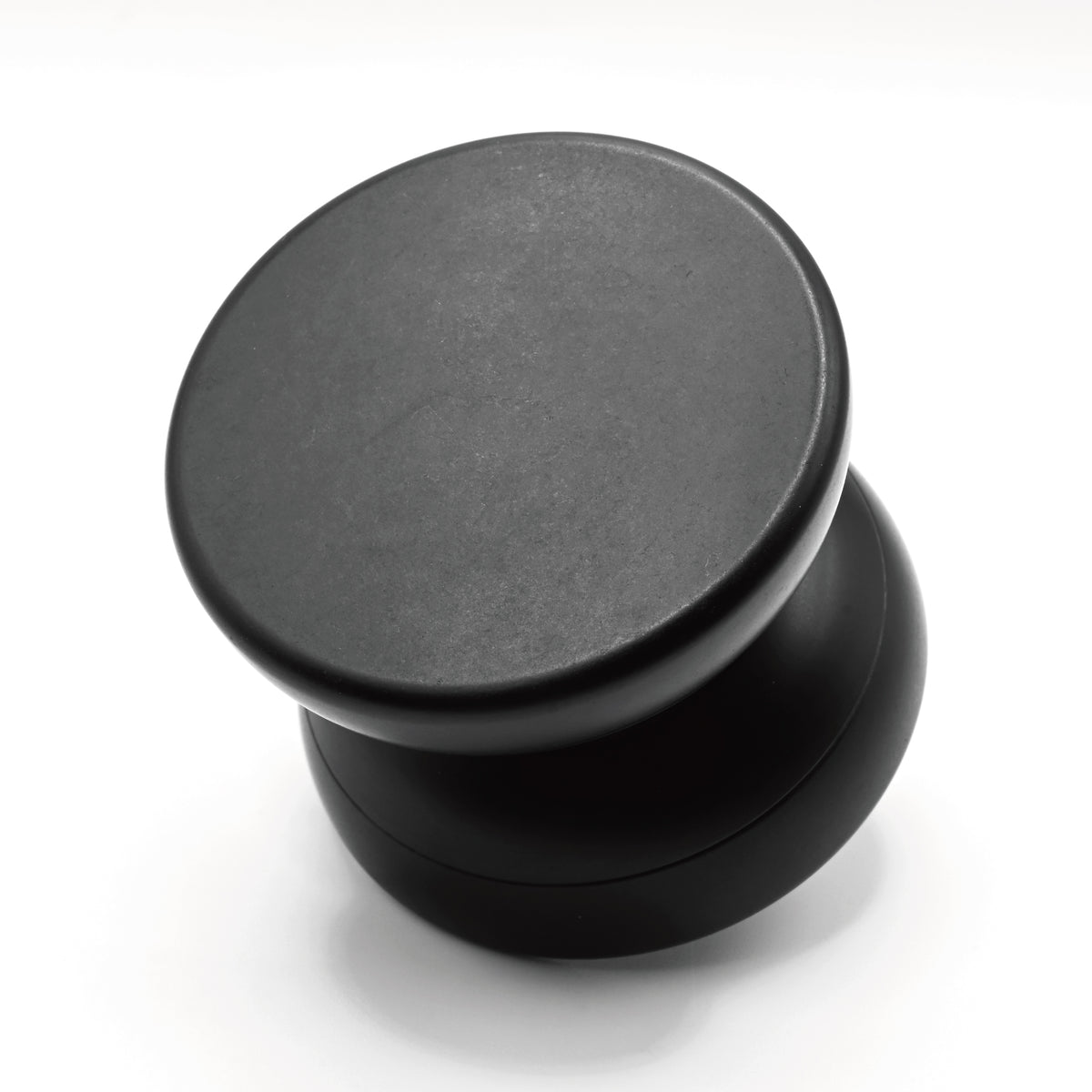
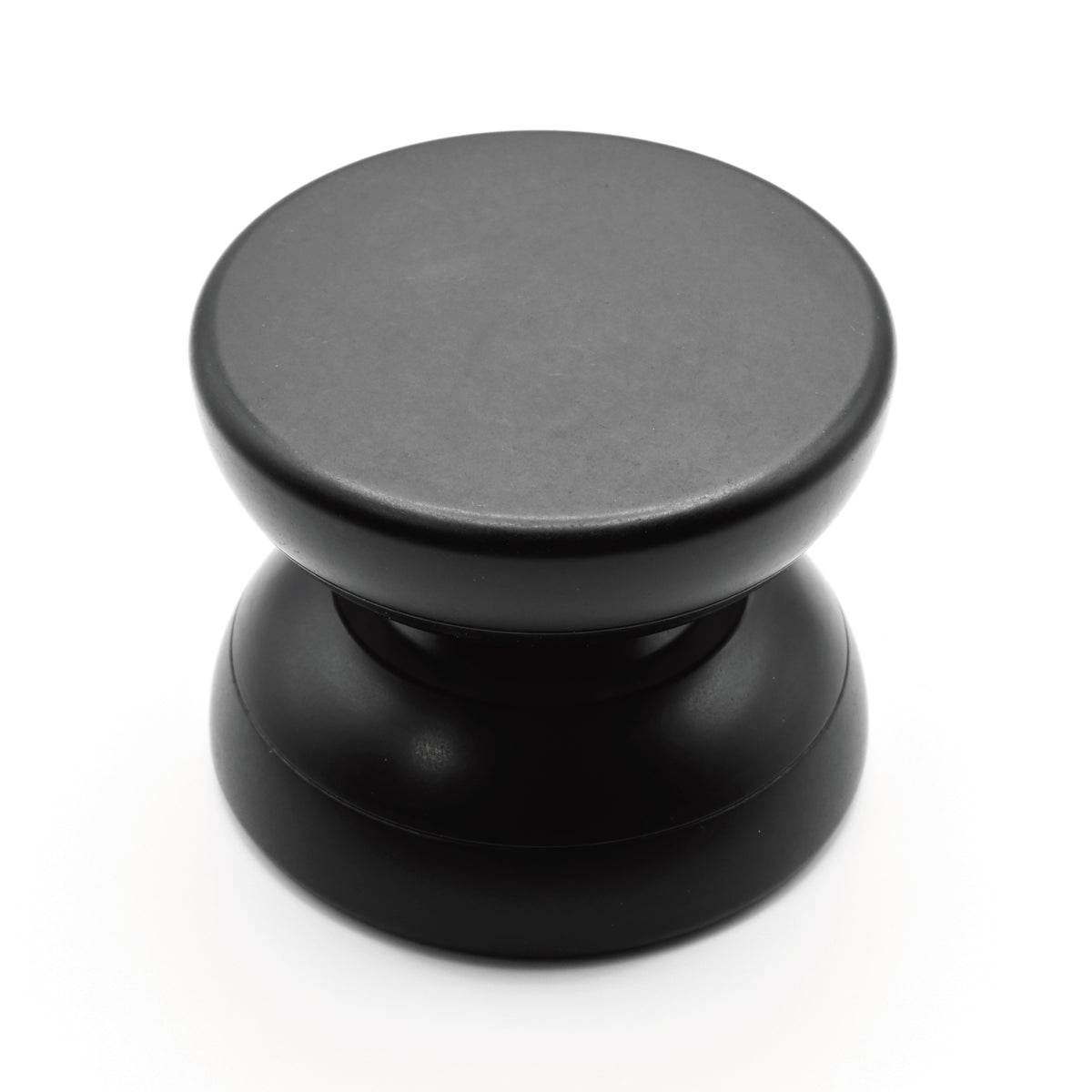
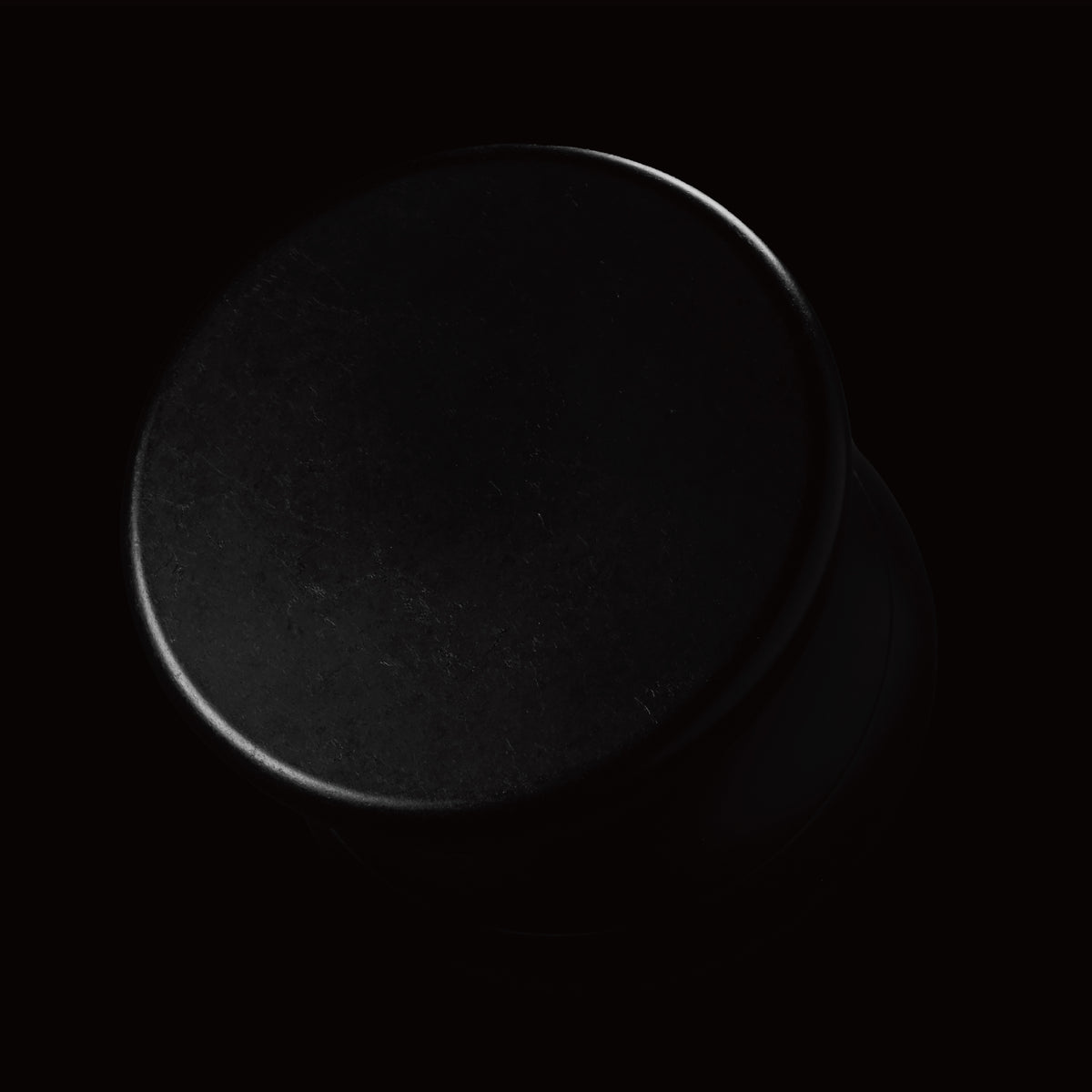
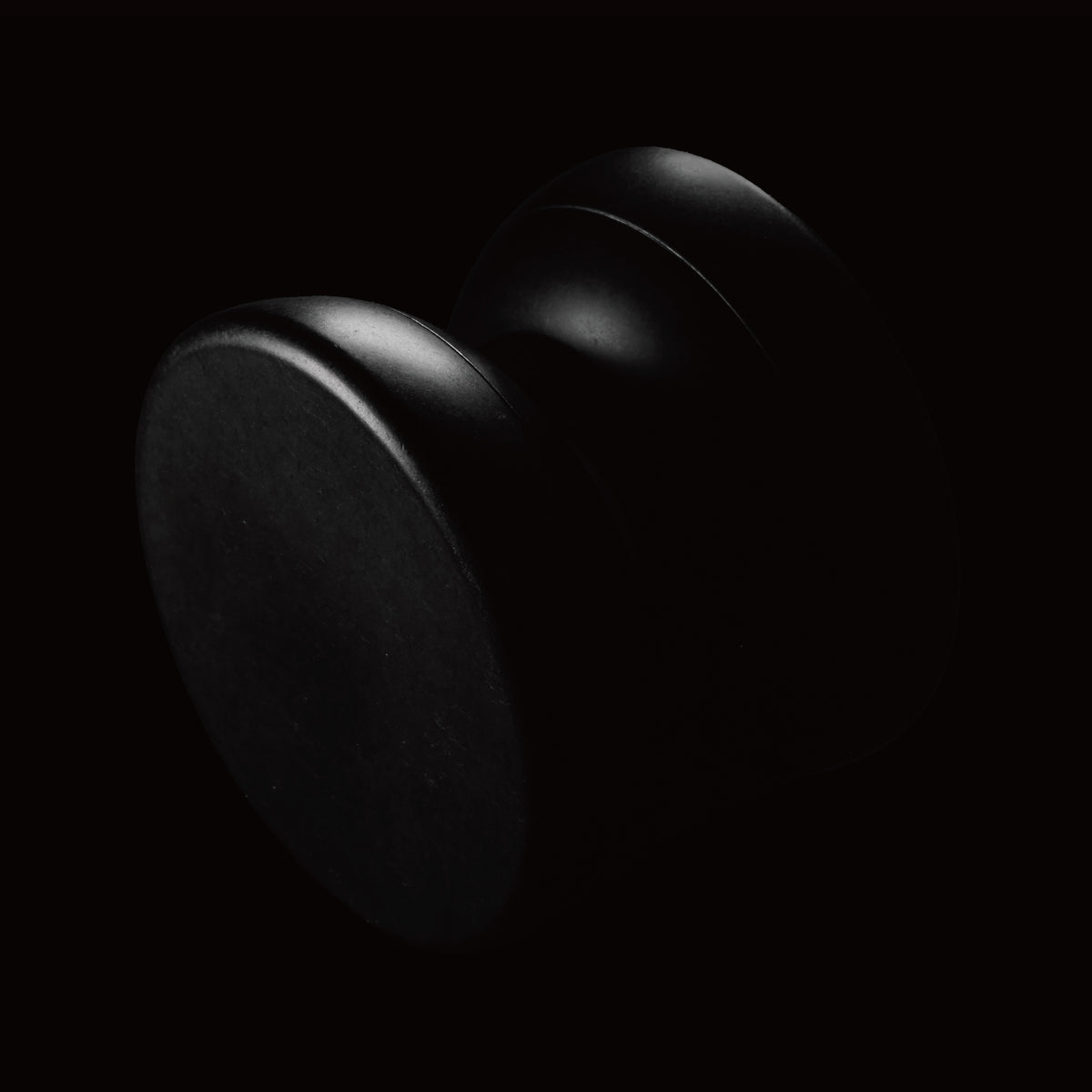
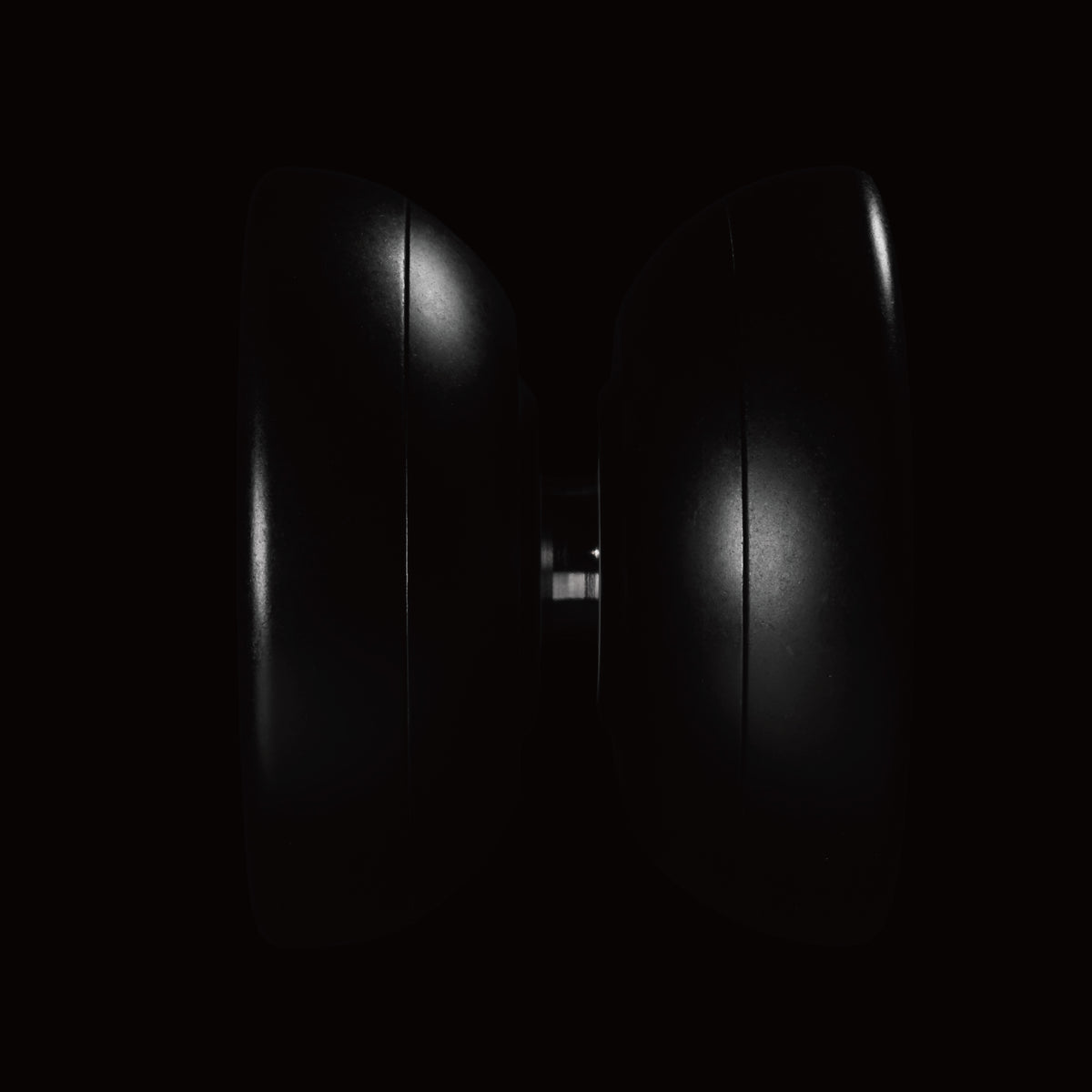
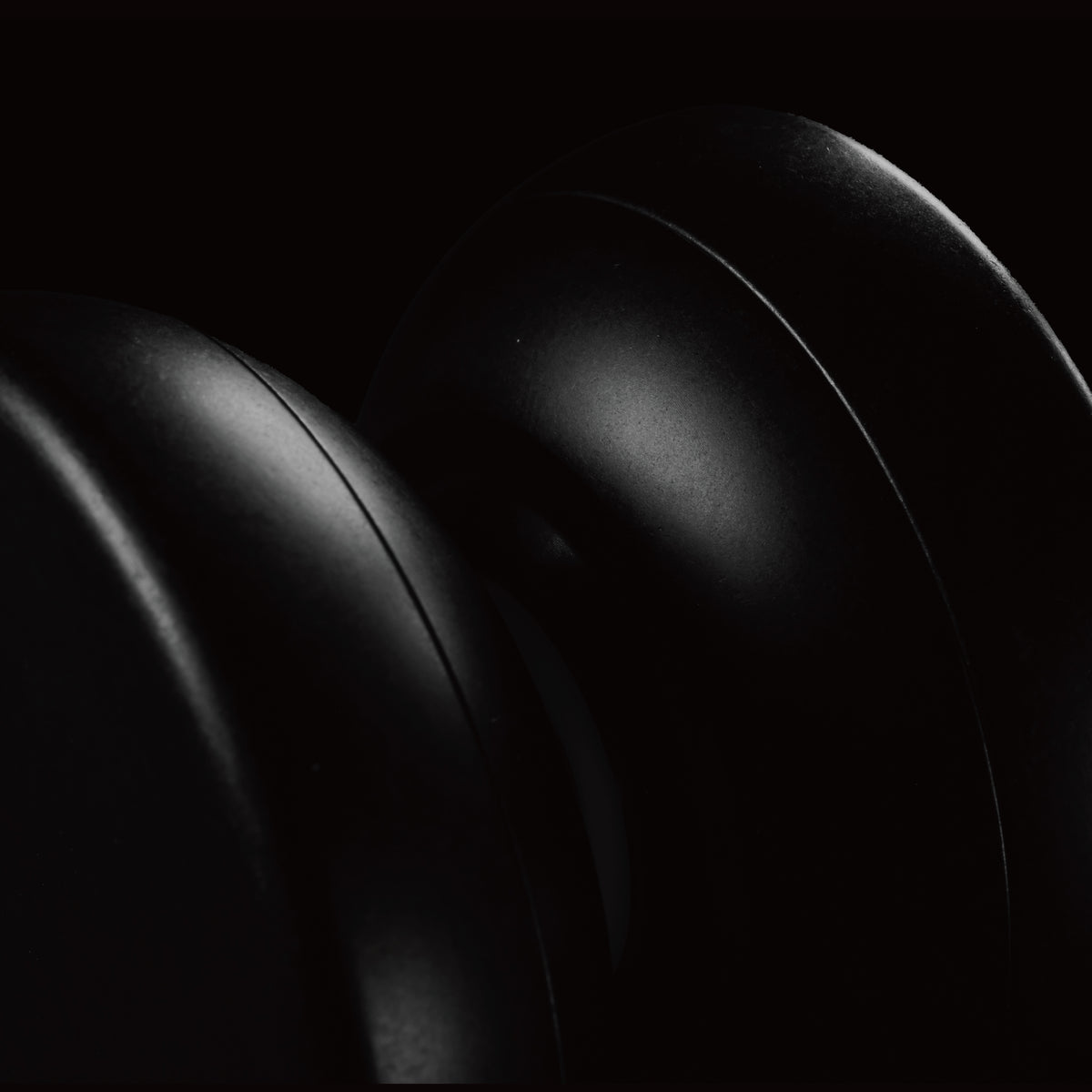
DECO's exterior is a round shape, simplified to its limit.
No ornament, no statement — just quiet. This shape carries forward from HSPIN's Pyro. The first thing you notice when it settles into your palm isn't the weight or the silhouette — it's a familiar sense of ease. Run your finger across it and there's almost nothing to catch on. The surface just keeps going, an unbroken curve with no beginning and no end.
Looking at DECO in this state, it's unlikely anyone could guess what's happening inside.


Inside — Hidden Double Rim
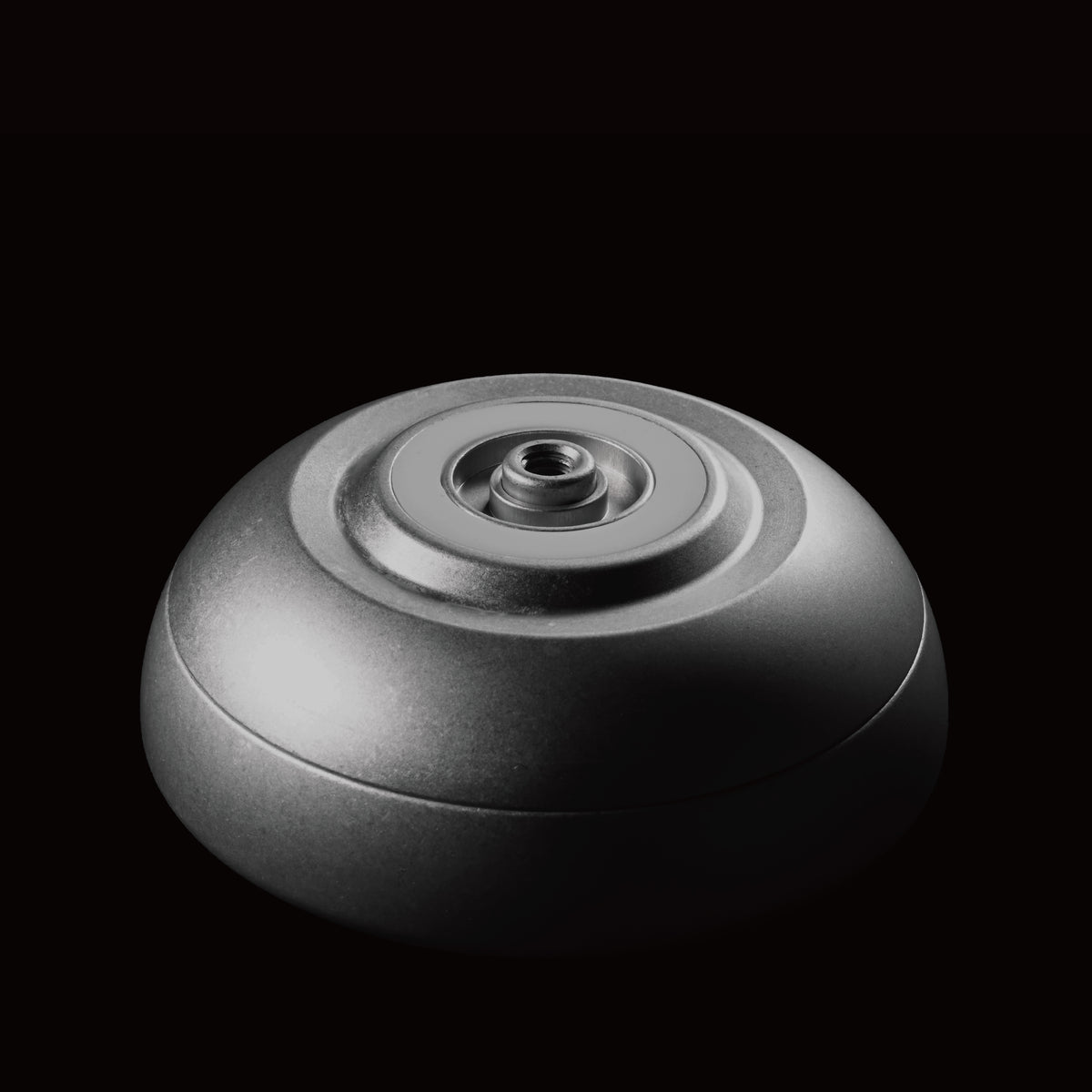
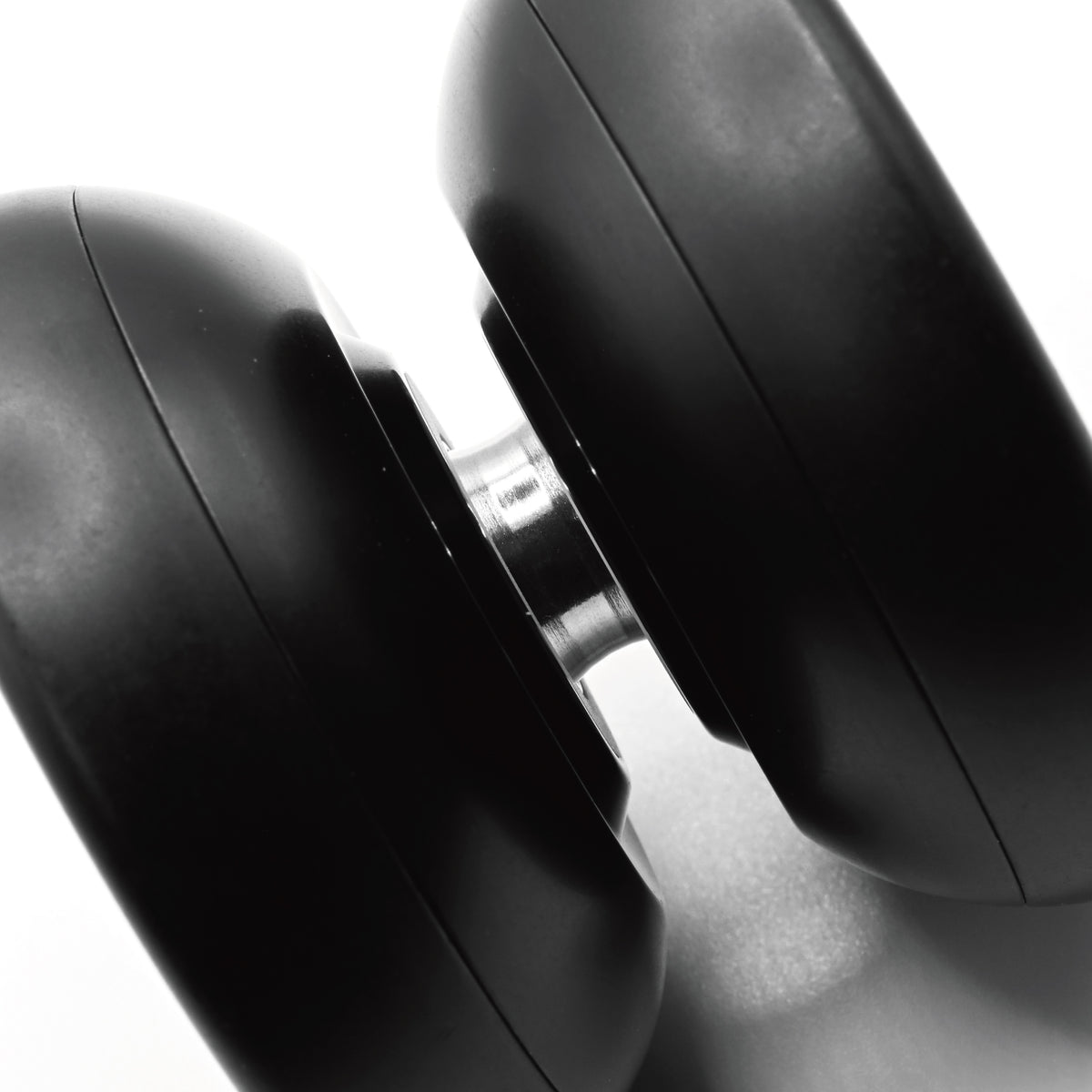
So what is happening inside? Let's take a closer look at DECO with the cap removed.
Hidden inside is a double rim.
The double rim is a structure invented by Caribou Lodge (CLYW). Giving the rim two layers makes it possible to fine-tune how weight is placed around the perimeter — an invention that changed both the freedom of weight distribution and the feel of the spin itself.
The idea of placing it somewhere invisible, rather than somewhere visible, was something we found through the collaboration with A-rt. Once assembled, this rim can't be seen at all. There's no way to check it from outside. Unless the person who buys it takes it apart, they will never once lay eyes on it.
Normally, a structure like this would be shown off. The part you worked hardest on is the part that should come across.
But in DECO, hiding it is the point. The theme of this yoyo is outside in — the idea that questioning assumptions and turning your attention to inner surfaces and internal structure can generate new value, new form.
And yet, throw it, and it's always at work. Being unseen is not the same as being absent.






DECO development story


Talked With A-rt. Faced HSPIN. Touched the Source - CLYW.
These three brands are not, for At Design Lab, simply collaboration partners.
Each carries its own philosophy and history within yoyo culture. And more than anything, they are the very thing that has made At Design Lab what it is.
Every shape we've considered good. Every feel we've considered good. Every spin we've considered good. All of it stands on what they built before us. Trace our own taste back far enough, and you always arrive at them.
So working with them meant touching our own roots.


Talked with A-rt
Working with A-rt was a dialogue.
Thinking of a yoyo not as a tool for competition, but as an object to keep close in daily life. Spinning to enjoy, not to win. That stance overlapped, at a deep level, with something we had valued all along without ever putting it into words.
Making a yoyo together meant we had to put into words, one by one, things we normally never articulate.
Why this curve? Why this weight? Why cut here and leave that? Explaining what wasn't obvious to the other side made clear, to us, what we had been taking for granted.
And through the collaboration with A-rt, we encountered a single idea: placing the most intricate structure somewhere it can't be seen from outside.
Making something not to be seen, but to be felt. This idea would later become the center of DECO.


Faced HSPIN
Working with HSPIN meant facing history.
Collaborating with a brand that carries a long history means being asked what you yourself can offer that history.
Simply borrowing HSPIN's assets would show no craft. But ignoring history and overwriting it would betray the expectations of longtime fans. We had to face head-on the question of what it means to properly carry history forward. As our answer, the Pyro series we're developing with HSPIN would come to trace the “if” history that the original Pyro never took.
In facing this history with HSPIN, what drew us in most strongly was the round shape of the Pyro.
An unadorned, beautiful curve. Continuous from every angle, with no beginning and no end. Not flashy, and yet unforgettable once you hold it.
We couldn't quite explain why this shape was good. And yet we couldn't help thinking it was. That very inability to explain it was the true nature of what we loved.


Touched the Source - CLYW
CLYW is, for At Design Lab, the source itself.
Most of the structures used in our yoyos trace back, at their origin, to something they created.
The MoNo series was released as an homage to the Peak. We adopted CLYW's thick, grippy response pad size, built for daily use, and we've kept it that way ever since.
The double rim we adopted in the collaboration with A-rt is another example. Giving the rim two layers makes it possible to fine-tune how weight is placed around the perimeter — an invention that changed the very feel of a yoyo's spin.
Touching the source meant coming to know, once again, exactly what we stand on.

